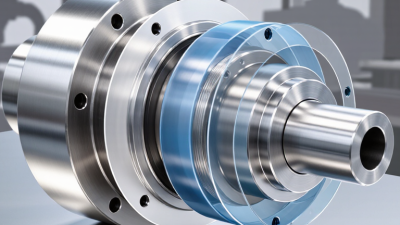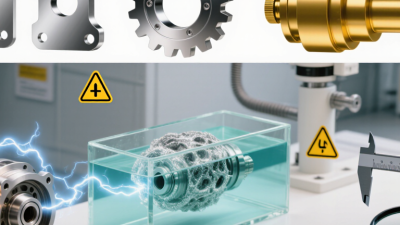
A steel shaft turns thousands of times inside a pump. Its surface must resist wear, corrosion, and repeated contact. Hard nickel plating can help meet those demands by depositing a nickel-based layer onto a component, but the result depends on the process and the part.
The term describes an engineering coating, not one universal recipe. Deposit composition, thickness, substrate preparation, and post-treatment all affect performance. ASTM B689 provides a technical framework for electrodeposited engineering nickel coatings. For broader material context, the USGS Mineral Commodity Summaries 2024 estimated global nickel mine production at 3.6 million metric tons in 2023. That figure reflects nickel supply, not the amount used for plating; the distinction matters.
Where is hard nickel plating used? Common examples include pump parts, rollers, molds, and industrial shafts exposed to friction or corrosive conditions. A properly specified coating may extend service life or restore worn dimensions. Still, “hard” does not guarantee durability. A poorly prepared surface can fail early, and an overly thick deposit may create fit problems. These details are easy to overlook. This guide explains how hard nickel plating works, where it is useful, and what engineers should assess before choosing it.
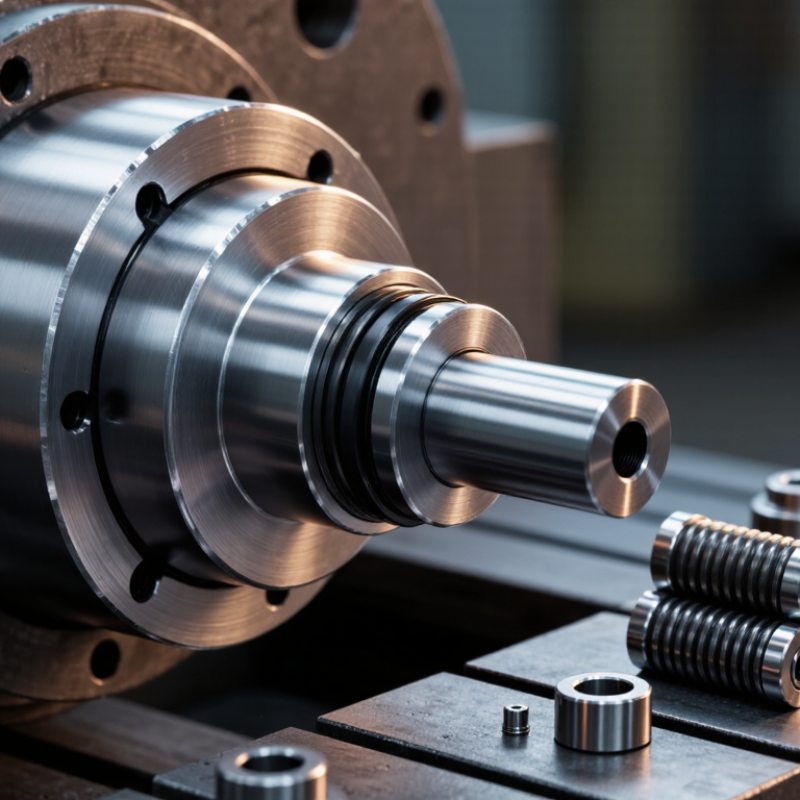
Hard nickel plating is an electrodeposited nickel coating engineered for greater hardness and wear resistance than ordinary nickel deposits. “Hard” does not describe one fixed chemistry: bath composition, additives, temperature, and current density all affect the finished layer. The Nickel Institute’s Nickel Plating Handbook reports that electrodeposit hardness varies substantially with plating conditions, with nickel deposits spanning roughly 150–500 HV. Treat that range as a guide, not a guaranteed result. The label can mislead.
In practice, hard nickel may protect moving parts such as shafts, pins, and bearing surfaces from repeated contact. A thicker deposit can also restore dimensions on worn components, but thickness alone does not ensure durability. ASTM B689, the specification for electrodeposited engineering nickel coatings, addresses coating requirements and preparation; it does not make every nickel layer equally hard. Results depend on the substrate, surface cleaning, and control of the plating bath. Small defects matter: poor preparation can leave weakly bonded patches that flake under load. Hardness is only part of the job. Engineers should match coating properties to contact pressure, lubrication, and operating temperature, then verify the finished deposit using suitable inspection and hardness testing. The right test method and acceptance limits should be agreed before production.
Hard nickel plating begins with a clear drawing and a careful check of the part. The required coating thickness, hardness, and contact areas determine how the job is set up. Sharp edges and threaded holes may need masking. Small details matter.
The surface is degreased, rinsed, and cleaned to remove oil, polishing compound, and oxide. A technician then activates the metal, often with a controlled acid treatment, and transfers it quickly to the plating bath. Delays can allow the surface to oxidize again. Not ideal.
The part is connected as the cathode in an electrolyte containing nickel salts. Controlled current, bath temperature, agitation, and chemistry help create an even deposit. The exact settings depend on the base metal, part shape, and required properties; one recipe does not fit every component. Recesses may receive less coating than exposed edges, so fixtures and current distribution need attention.
After plating, the part is rinsed and inspected for coverage, thickness, adhesion, and surface defects. Hardness testing may be required by the job specification. For some high-strength steels, hydrogen-relief baking may also be specified and should follow an approved procedure. Plating adds material, so dimensions and fit should be checked rather than assumed.
Hard nickel plating creates a relatively hard nickel layer on a metal part, improving resistance to abrasion and repeated contact. Deposits are often chosen when softer coatings wear too quickly, such as on shafts, rollers, and forming tools. The exact hardness depends on plating chemistry, temperature, and post-treatment. That matters.
Under a workshop light, the benefit may show as fewer grooves where sliding components rub together. The coating can also help restore worn dimensions, though precise machining may be needed afterward. Nickel offers useful corrosion resistance, but protection depends on coating thickness, coverage, and the environment. Pores or sharp edges may expose the base metal. It is not a cure-all. A thicker layer may improve wear life, yet it can also build stress. Fits can change. Coating specifications should reflect the part’s load, clearance, and service conditions. In practice, those details are easy to underestimate.
Hard nickel plating is used where metal parts face sliding contact, abrasion, or corrosive fluids. The coating can help protect pump shafts, valve stems, gears, and hydraulic components in oil and gas, chemical processing, power generation, and heavy machinery. These parts often have tight fits, so coating thickness and post-plating machining matter. Fit matters.
Automotive and aerospace manufacturers may use hard nickel on selected moving or load-bearing components, while industrial moldmakers may apply it to surfaces exposed to repeated wear. The NACE International IMPACT study estimated global corrosion costs at US$2.5 trillion annually, or 3.4% of global GDP, and reported that corrosion-control practices could reduce costs by 15–35%. That figure supports investment in protection generally; it does not show that nickel plating alone delivers those savings. The boundary is not always neat: a worn part may have a lubrication or design problem, not just a coating problem.
Before specifying the process, engineers check the base metal, operating temperature, contact pressure, and repair allowance. Hardness and corrosion performance depend on the deposit and service conditions. Not every surface benefits. Test representative parts where failure risk is high.
Hard nickel plating performance depends on the deposit, the part beneath it, and the conditions in the plating bath. The Nickel Institute’s Nickel Plating Handbook describes how bath chemistry and operating conditions influence nickel deposit properties. Published technical guidance commonly places sulfamate nickel hardness around 150–300 HV, while modified deposits can exceed 500 HV. These figures are indicative, not guarantees: additives, current density, temperature, and test method can shift results. Small changes matter.
Surface preparation is just as important. Oil, oxide, or trapped grit can weaken adhesion, even when the finished surface looks bright. Bath pH and temperature affect how evenly nickel builds up; poor agitation can leave thin areas or roughness near edges. Thickness matters, too. A thicker layer may provide more wear allowance, but high internal stress can cause cracking or separation. ASTM B689 provides a reference for engineering nickel coatings, yet the coating requirements still need to fit the component’s service conditions.
One uncomfortable point: hardness alone can mislead. A hard coating may resist indentation but still fail under impact, repeated sliding, or poor lubrication. For a shaft, for example, engineers should consider contact pressure, surface finish, coating thickness, and the mating material together. Measure the deposit, inspect adhesion, and test representative parts where failure would be costly. A shiny surface is not proof.
Hard nickel plating performance depends on bath conditions and preparation of the part. This chart gives a qualitative comparison of the factors that commonly influence deposit hardness, adhesion, wear resistance, and uniformity. Influence varies with the plating process; scores are not measured values or process specifications.
Relative influence index: 1 = lower influence, 5 = higher influence. Control bath chemistry, operating conditions, and surface preparation according to the requirements of the specific plating process.