What Is Decorative Metal Plating and How Does It Work?
Decorative metal plating gives ordinary surfaces a refined, durable appearance. It can make steel look like polished chrome, warm brass, or bright gold. The process also improves surface hardness, corrosion resistance, and everyday wear performance. However, appearance is only one part of the result.
The work begins with careful cleaning and surface preparation. Oil, fingerprints, rust, and polishing residue can weaken adhesion. Even a tiny contaminant matters. After cleaning, technicians may apply copper or nickel layers before adding the visible finish. In electroplating, an electric current moves metal ions through a solution onto the component. Electroless plating uses a chemical reaction instead, which can coat complex shapes more evenly. Temperature, current density, bath chemistry, and plating time all influence the final surface.
Details matter greatly.
A professional technician checks thickness, color consistency, adhesion, and surface defects. They may use visual inspection, thickness gauges, or laboratory testing. These checks support reliable results, although no process is completely flawless. Corners may receive less coverage, and deep recesses can remain difficult to coat. The chosen metal, substrate, design, and intended use must guide the specification. Decorative metal plating should also follow applicable environmental, workplace, and product-safety requirements. This guide explains the process clearly, but real projects still require qualified technicians and controlled equipment. A beautiful finish is not automatically a dependable one. Understanding its limitations helps designers, manufacturers, and buyers make better decisions.
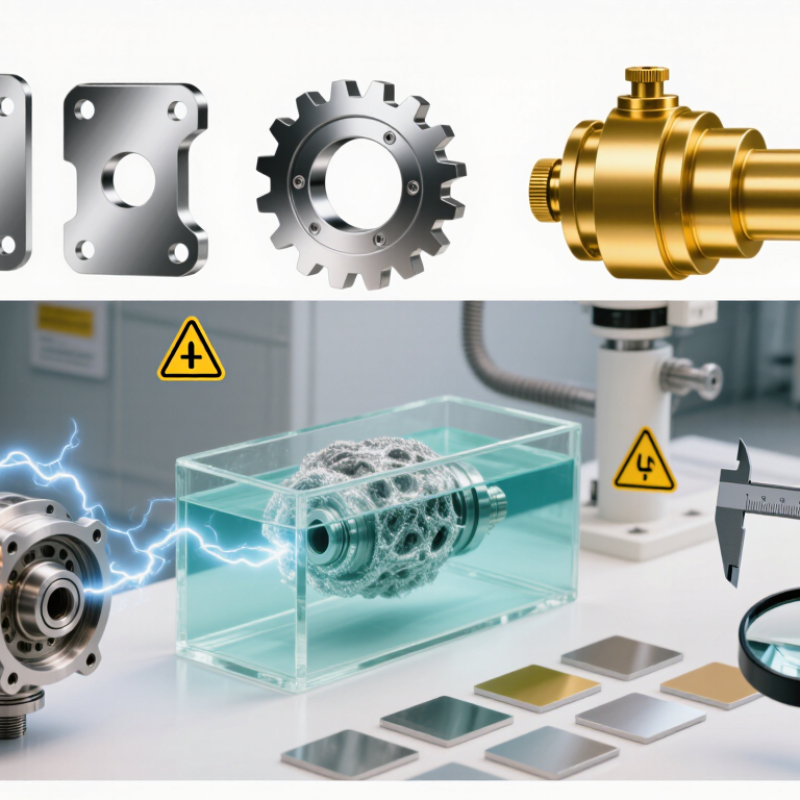
What Decorative Metal Plating Is and Why It Is Used
Decorative metal plating adds a thin metallic layer to a product’s surface. It improves appearance, touch, and practical surface performance. Common finishes include nickel, copper, chrome, and precious-metal coatings. Manufacturers choose them for furniture hardware, electrical parts, bathroom fittings, and automotive details.
The process starts with cleaning and surface activation. Any oil or oxide can weaken adhesion. The part then enters a plating bath, where electric current deposits metal ions evenly. Several layers may be used. A copper layer can smooth small marks, while nickel can add brightness and wear resistance. A final coating or sealant may reduce tarnishing and fingerprints. Small details matter here. Poor rinsing can leave stains.
A 2024 MarketsandMarkets assessment estimated the global metal finishing market at roughly 14.5 billion dollars in 2023. It projected growth toward about 17.8 billion dollars by 2028. Decorative plating represents only part of that market, but the figures show continuing demand for engineered surface finishes. The same report links growth with consumer products, transport equipment, and industrial components.
Plating is not merely decoration. A polished surface can make a low-cost base material appear more refined and easier to clean. It may also protect against abrasion and mild corrosion. However, appearance can hide weaknesses. If preparation is poor, blistering or peeling may develop later. Industry estimates also vary by report, application, and regional definition. That uncertainty deserves attention when comparing market numbers.
How Metal Surfaces Are Prepared for Decorative Plating
What Is Decorative Metal Plating and How Does It Work?
Decorative metal plating begins long before the first metallic layer appears. Preparation determines whether the finish shines evenly or peels within months. According to the NACE IMPACT study, corrosion costs about US$2.5 trillion globally each year, equal to roughly 3.4% of worldwide economic output. A clean, stable substrate helps reduce that risk.
Technicians first remove oil, dust, polishing compound, and fingerprints with alkaline cleaners or controlled solvents. The surface is rinsed carefully after each stage. Even a thin residue can cause pits, cloudy patches, or poor adhesion. Mechanical polishing then removes scratches and creates the required smoothness. Some components need gentle abrasion instead. Too much pressure can distort edges.
The part usually receives an acid activation treatment before plating. This removes light oxides and exposes fresh metal. Operators may apply a strike layer when the base material is difficult to plate. Racking also matters. Electrical contact must remain firm, while hidden areas need suitable coverage. ISO 9227 salt-spray testing can reveal preparation weaknesses, but test hours do not equal real service life. That distinction is often overlooked. In our inspections, the most disappointing failures sometimes begin with rushed rinsing, not faulty plating chemistry. Surface preparation is measurable, yet judgment still matters.
How Electroplating Builds a Decorative Metal Layer
Decorative metal plating begins with preparation, not the visible shine. A metal part is degreased, rinsed, acid-activated, and inspected for scratches. Even a small contaminant can create pits, blisters, or uneven color. The process is less forgiving than diagrams suggest.
During electroplating, the prepared part becomes the cathode in an electrolyte bath. A controlled direct current moves dissolved metal ions toward its surface. The ions gain electrons and form a solid coating, atom by atom. Copper may improve leveling, nickel adds brightness and corrosion resistance, and chromium can provide a hard, reflective finish. Bath temperature, current density, agitation, and immersion time must remain balanced. Too much current can burn edges. Too little can produce a dull layer.
ASTM B456 and ISO 1456 classify electrodeposited copper, nickel, and chromium coatings by service requirements, not appearance alone. Thickness and adhesion therefore require testing, often through microscopy, magnetic measurement, or thermal cycling. The U.S. Geological Survey’s Mineral Commodity Summaries 2025 reported approximately 3.7 million metric tons of global nickel mine production in 2024. That figure shows nickel’s industrial scale, but it does not guarantee plating quality. Surface chemistry still decides the result. A bright finish may hide weak adhesion. Careful inspection remains essential.
Which Metals and Finishes Are Commonly Used
Decorative metal plating adds a thin metallic layer to a surface for appearance, protection, or both. In practice, the base part is cleaned, polished, and electrically prepared before plating begins. Any grease, scratches, or trapped dust can remain visible after finishing. Small defects matter.
Copper, nickel, chromium, brass, bronze, silver, and gold are common choices. Copper often provides a warm color and helps smooth minor surface marks. Nickel creates a bright, durable foundation and improves corrosion resistance. Chromium offers a cool, mirror-like appearance, while brass and bronze produce softer golden or antique tones. Silver gives a bright white finish, but it can tarnish without suitable protection. Gold is valued for its rich color and resistance to oxidation, although thickness and cost require careful control.
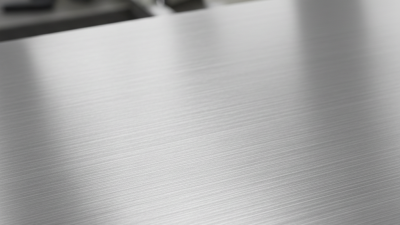
Finishes can be bright, satin, brushed, matte, antique, or selectively polished. A brushed nickel surface shows fine directional lines, like carefully dragged pencil marks. A satin finish reduces glare and hides fingerprints better than a mirror polish. Antique treatments darken recessed areas, creating depth around engraved details. The final look depends on metal chemistry, polishing, plating thickness, and sealing. Operators should check color under different lighting conditions. A finish that looks balanced indoors may appear too yellow outdoors. No finish is perfect. Designers sometimes choose appearance over maximum wear resistance, and that trade-off deserves honest consideration.
How Plated Parts Are Finished, Inspected, and Maintained
Decorative metal plating gives a part its visible character, but the final finish depends on careful preparation. Technicians clean, polish, and activate the substrate before applying copper, nickel, chromium, or another decorative layer. Each coating improves appearance and may support wear or corrosion resistance. According to the NACE IMPACT study, corrosion costs roughly 3.4% of global gross domestic product. That figure explains why even decorative surfaces require disciplined finishing.
Inspection begins with the eye. Inspectors look for pits, blisters, stains, dull zones, and uneven color under controlled lighting. They may measure coating thickness with X-ray fluorescence equipment and test adhesion on sample parts. Salt-spray testing under ASTM B117 can reveal weaknesses, but it does not predict exact outdoor service life. That limitation matters. A polished test panel may perform differently from a complex part with sharp edges or hidden recesses. ISO 9227 testing can add useful corrosion evidence, yet test results still need practical interpretation.
Maintenance should remain simple and consistent. Wipe plated parts with a soft cloth and mild, pH-neutral cleaner. Remove fingerprints, salts, and standing water quickly. Avoid abrasive pads, strong acids, and unverified polishing compounds. Check high-contact edges regularly. Small scratches can expose the underlying metal and expand beneath the finish. In real workshops, missed cleaning often causes more damage than expected. The process is not flawless. Recording inspection dates, cleaner types, and visible changes helps teams adjust maintenance intervals with evidence rather than guesswork.
What Is Decorative Metal Plating and How Does It Work?
Typical thickness ranges for common layers in decorative electroplated finishes. Parts are cleaned, activated, plated, rinsed, dried, inspected, and maintained according to the required appearance and corrosion performance.
How the finish is managed: Copper is often used for leveling and surface smoothing, nickel provides brightness and corrosion resistance, and chromium adds hardness, color stability, and tarnish resistance. Inspection commonly includes visual checks, coating-thickness measurement, adhesion testing, and corrosion evaluation. Maintenance should use mild soap, water, and a soft cloth while avoiding abrasive cleaners and harsh chemicals.