Cobalt nickel plating has become a critical process in various industries, particularly in manufacturing and aerospace. It enhances the durability and corrosion resistance of components. According to a report by Smithers Pira, the global cobalt nickel plating market is expected to grow at a CAGR of 5.6% through 2026. This growth highlights the rising demand for high-performance coatings.
Industry expert Dr. Emily Zhang emphasizes the importance of cobalt nickel plating. She states, "The right plating choice can drastically impact the lifespan of critical components." This insight reflects the need for global buyers to evaluate their options carefully.
As buyers navigate the market, understanding the various plating techniques and their applications becomes vital. With multiple providers available, choosing the best option can feel overwhelming. It is necessary to assess both the technology and the quality offered by manufacturers to ensure maximum performance.

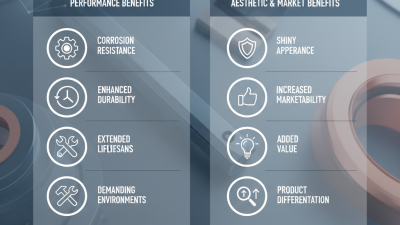
Cobalt nickel plating is widely used for its exceptional corrosion resistance and wear properties. This technique is essential in industries such as aerospace, automotive, and electronics. According to a 2022 market report, the global cobalt nickel plating market is projected to grow by 4.5% annually over the next five years.
Applications span critical areas. In aerospace, components undergo stress and harsh conditions. Cobalt nickel plating enhances durability and reduces friction. It is also vital in the electronics sector, where it improves conductivity and surface integrity. However, the process is not without challenges. Environmental concerns about cobalt sourcing and toxicity require careful management.
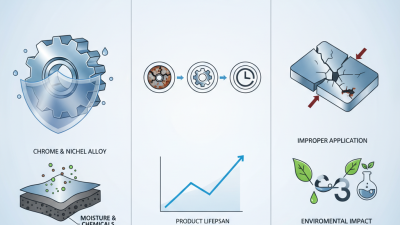
The quality of the plating process can vary significantly. It’s crucial to monitor variables like temperature and current density during application. Even minor deviations can lead to defects. Reports indicate that poorly executed plating can result in costly failures. Therefore, thorough testing and quality assurance are imperative for reliable outcomes. This highlights a need for continuous improvement in techniques and materials.
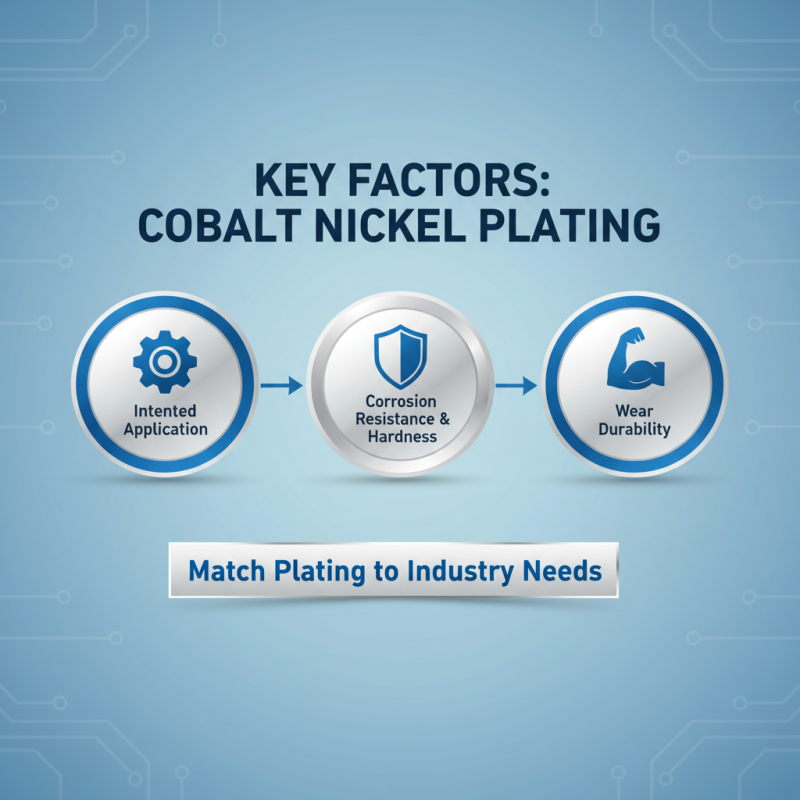
When selecting cobalt nickel plating options, several key factors warrant careful consideration. The primary attribute is the intended application. Different industries have varying requirements for hardness, corrosion resistance, and wear durability. Understanding the specific needs will guide buyers in choosing the most suitable plating type.
Another essential aspect is the thickness of the plating. Thicker layers often provide better protection but can impact the appearance and fitting of parts. Buyers should weigh the pros and cons of thickness versus weight. A balance is crucial to meet performance benchmarks without compromising material integrity.
Quality assurance is also a vital factor. Not all plating processes are created equal; variations can lead to inconsistencies. Look for suppliers with rigorous quality control measures. It's worth noting that poor plating can lead to failures in critical applications. Reflect on the potential ramifications of compromised components. Engaging with experienced professionals in the industry can help navigate these complexities.
In 2026, the demand for cobalt nickel plating is increasing among global buyers. This process offers excellent corrosion resistance and enhanced surface durability. Many industries, such as aerospace and automotive, rely on these qualities. Therefore, selecting a reliable supplier is essential for quality assurance.
Top suppliers often provide a range of specialized services. They should be able to customize solutions based on client needs. Consideration should be given to their certifications and industry experience. This information serves as a valuable metric for evaluating potential partners. However, not every supplier maintains consistent quality. Variability in service delivery can lead to unexpected challenges.
Engaging with suppliers who have proven track records is critical. Researching their past projects can offer insights into their capabilities. Buyers often overlook this step and may face pitfalls later. A thorough vetting process can prevent future complications. Always demand clear communication regarding project timelines and material specifications. Failing to do so can lead to misunderstandings and delays.
Cobalt nickel plating is increasingly popular in various industries. Its unique properties provide excellent corrosion resistance and wear protection. In this comparative analysis, we will examine the primary techniques used for cobalt nickel plating and associated costs.
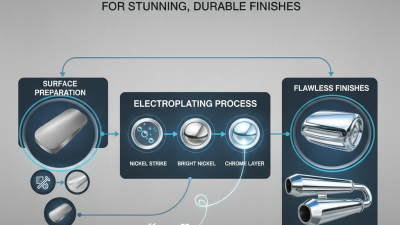
The three main methods for cobalt nickel plating include electrodeposition, electroless plating, and thermal spraying. Electrodeposition typically offers smooth finishes and precise control over thickness. It requires specialized equipment and skilled operators, potentially increasing initial costs. Electroless plating, on the other hand, is more versatile and can coat complex geometries. However, it often comes with higher material costs and might require additional steps for surface preparation. Thermal spraying is an alternative method that allows for thicker coatings, but achieving uniformity can be challenging.
When considering costs, several factors influence pricing. For instance, equipment requirements and labor intensity can vary across techniques. Material quality also plays a significant role. Some methods may save on short-term costs but incur higher maintenance expenses. Evaluating these aspects aids in selecting the best plating option. Ultimately, the decision should balance performance with budgetary constraints, reflecting the unique needs of each project.
Cobalt nickel plating continues to evolve, driven by market demands and technological advancements. Reports indicate that the cobalt nickel plating market is projected to grow at a CAGR of 5.4% from 2023 to 2028. This reflects an increasing need for corrosion resistance in various applications, particularly in the aerospace and automotive industries.
The technology behind cobalt nickel plating is also witnessing innovations. Advances in electroplating techniques are enhancing the thickness and uniformity of coatings. Studies show that the optimal coating thickness balances durability and weight. However, some manufacturers still struggle with achieving this balance consistently. This inconsistency can affect product quality and customer trust.
In terms of environmental impact, eco-friendly alternatives to traditional cobalt sources are gaining traction. The quest for sustainable materials is crucial. Researchers are exploring ways to recycle cobalt from end-of-life products. These efforts align with global sustainability goals, but practical implementation remains a challenge for many businesses.
| Plating Option | Layer Thickness (µm) | Corrosion Resistance | Cost (per sq. meter) | Market Demand (2026 Forecast) |
|---|---|---|---|---|
| Electroless Nickel/Cobalt Plating | 5-25 | Excellent | $50 | High |
| Cobalt Alloy Plating | 10-30 | Very High | $80 | Growing |
| Cobalt-Nickel Alloy Plating | 15-35 | Excellent | $65 | Stable |
| Cobalt Phosphate Coating | 2-10 | Moderate | $40 | Decreasing |
| Cobalt-Phosphorous Alloy | 10-20 | Good | $55 | Stable |