What Is Hard Chrome Plating and Why Is It Used?

Hard chrome plating is an engineering surface treatment, not merely a shiny finish. It deposits chromium onto steel, cast iron, or selected alloys through electrochemical processing. The result can resist abrasion, reduce friction, and restore worn dimensions. N. V. Mandich, a recognized electroplating researcher, described its purpose plainly: “Hard chromium plating is an engineering coating, not a decorative coating.” That distinction matters.

The ASM Handbook reports typical hard chromium hardness near 800–1,000 HV, depending on process conditions and coating structure. Industrial specifications commonly select it for hydraulic rods, molds, rollers, piston rings, and pump components. A thin, carefully finished layer can protect a costly substrate from repeated contact. Sometimes, it also improves release performance. Not always.

The U.S. Environmental Protection Agency identifies hard chromium electroplating as a source of chromium emissions requiring controlled workplace practices. OSHA sets an eight-hour permissible exposure limit of 5 micrograms per cubic meter for airborne hexavalent chromium. These figures explain why ventilation, process monitoring, and worker protection are essential. They are not optional details. Reports from Grand View Research also show sustained demand across the wider electroplating market, driven by manufacturing, transportation, and industrial equipment. However, market growth does not prove every application deserves chrome. Coating thickness, base-metal condition, hydrogen embrittlement risk, grinding quality, and service temperature must be evaluated together. Hard chrome plating can extend component life, but poor preparation can create peeling, cracks, or premature failure. The honest answer is less glamorous. Performance depends on disciplined engineering, verified specifications, and inspection after plating.
What Is Hard Chrome Plating and Why Is It Used?

Definition and Basic Principles of Hard Chrome Plating

What Is Hard Chrome Plating and Why Is It Used?

Definition and Basic Principles of Hard Chrome Plating

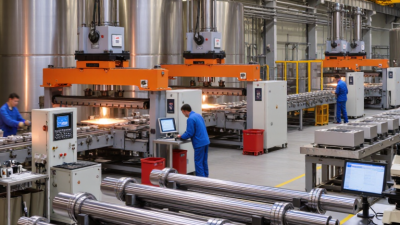
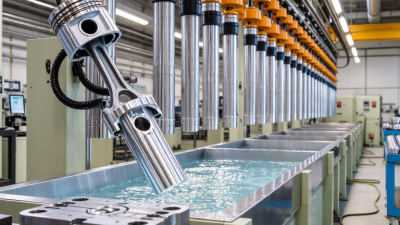
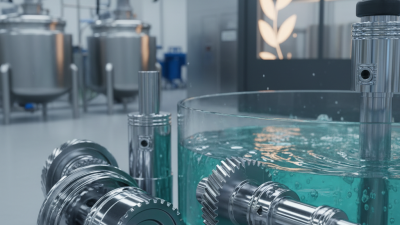
Hard chrome plating is an electrochemical process that deposits a thick chromium layer onto a metal surface. The workpiece acts as the cathode in a plating tank. Chromium ions move through the solution and bond to the prepared surface. An external electrical current drives this reaction.

It is not simply a shiny coating. Industrial hard chrome usually has a dull, micro-cracked appearance. These controlled cracks can help retain lubricating oil during sliding contact. The deposited layer can improve wear resistance, surface hardness, and release properties. It may also protect components from corrosion, but it is not suitable for every environment.

Surface preparation controls much of the final result. Technicians normally degrease, activate, and mask the component before plating. A cylinder rod, for example, may require careful masking around threads and precise thickness control along its length. Poor cleaning can cause peeling. Excessive thickness can affect dimensions and grinding allowances. These details are easy to underestimate.

After plating, the surface is often ground or polished to meet the required size and finish. Process records should include bath conditions, current density, plating time, and inspection results. Some high-strength steels may require additional treatment to reduce hydrogen-related cracking risks. The process is reliable when controlled, yet it still demands measurement and judgment. A harder surface alone does not guarantee longer service life. The coating must match the load, lubricant, temperature, and base material.

The Electroplating Process from Surface Preparation to Finishing

What Is Hard Chrome Plating and Why Is It Used?

Hard chrome plating builds a durable chromium layer on steel, stainless steel, and selected alloys. It improves wear resistance, reduces friction, and helps restore worn dimensions. The result depends heavily on preparation, not just the plating bath.

A typical job begins with inspection and measurement. Technicians remove oil, rust, paint, and old coatings through degreasing, abrasive cleaning, or controlled stripping. Sharp edges may need attention. Small defects can become visible after plating. Areas that must remain uncoated are masked carefully with fixtures or chemical-resistant materials. The part is then cleaned again and electrically connected to the plating system.

Inside the bath, direct current deposits chromium onto the prepared surface. Temperature, current density, bath chemistry, and plating time require close control. Uneven electrical flow can create thin corners or excessive buildup. After rinsing, technicians inspect the deposit for burns, pits, cracks, and poor coverage. Grinding or polishing brings the coating to its specified size and finish. A micrometer, surface tester, or adhesion check can support the inspection record. Hard chrome plating is not flawless. Tiny surface marks may survive, especially when the base metal was poorly prepared. That is why experienced technicians review measurements before finishing, rather than trusting appearance alone.

Key Properties and Performance Benefits of Hard Chrome Coatings

Hard chrome plating is an engineered surface treatment for demanding metal components. It deposits a dense chromium layer over steel or other suitable substrates. The coating is valued for high hardness, low friction, and strong wear resistance. It also resists corrosion in many operating environments. However, performance depends on preparation, thickness, and application conditions. Chrome is not a universal fix.

In practical service, hard chrome can protect hydraulic rods, forming tools, pump parts, and precision shafts. Its smooth surface helps reduce friction between moving components. This may limit scoring, galling, and premature dimensional loss. The coating can also restore worn surfaces when engineers control final grinding carefully. A thicker layer is not always better. Excess thickness may affect tolerances, edges, or adhesion. Reliable specifications should identify hardness, coating thickness, surface roughness, and acceptable defects. Testing should support these requirements, rather than relying on appearance alone.

Tips: Inspect the base metal before plating. Small cracks or embedded dirt can weaken the result. Measure the finished surface at several points. Check edges and recessed areas closely. Keep process records for bath control, preparation, grinding, and inspection. One overlooked measurement can explain a failure months later. When service conditions change, review the coating choice again. Heat, abrasive particles, trapped moisture, and repeated impact may challenge even a carefully applied layer. Results can vary, so experienced evaluation remains important.

What Is Hard Chrome Plating and Why Is It Used?

Hard chrome plating deposits a thick chromium layer on a metal surface to improve resistance to abrasive wear, friction, corrosion, and dimensional damage. The chart compares representative Vickers hardness values for common surface conditions.

Hard chrome coatings typically measure about 800–1,000 HV, although the final hardness depends on plating chemistry, substrate material, coating structure, and post-treatment. Higher hardness generally supports better resistance to sliding and abrasive wear.

Common Industrial Applications for Hard Chrome Plating

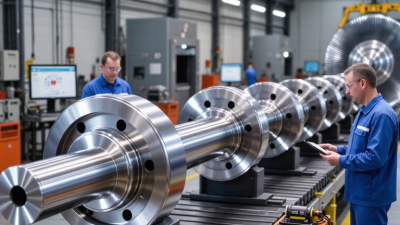
Hard chrome plating is an engineered surface, not ordinary decorative chrome. A 2023 review in Surface and Coatings Technology reports typical hardness between 800 and 1,000 HV. That hardness helps hydraulic rods resist scoring, abrasive dust, and repeated sliding contact. A thin, bright layer can also restore worn dimensions on shafts, molds, and piston components. In practice, technicians measure the part before plating. They then grind the coating back to a precise fit.

Its industrial applications are broad. Hydraulic cylinders in excavators often use hard chrome on rod surfaces. Mining equipment relies on it where grit quickly damages exposed steel. Printing rollers, plastic molds, pump shafts, and landing-gear components also benefit from wear resistance and easier cleaning. Industry coating surveys commonly report thicknesses from about 25 to 250 micrometres, depending on load and repair needs. ASTM B650 provides guidance for engineering chromium coatings, including thickness and quality checks. The U.S. EPA has also documented the importance of controlled ventilation and capture systems during chromium electroplating. Performance is not automatic. Poor surface preparation can cause cracking, uneven deposits, or early peeling. Hard chrome is sometimes selected too quickly. In corrosive service, a suitable underlayer or alternative coating may perform better. The real decision depends on pressure, motion, temperature, and contamination—not appearance alone.

What Is Hard Chrome Plating and Why Is It Used? - Common Industrial Applications for Hard Chrome Plating

Industrial Application Typical Base Component Typical Hard Chrome Thickness Typical Hardness Primary Performance Requirement Why Hard Chrome Plating Is Used
Hydraulic and Pneumatic Cylinders Rod, piston rod, or cylinder-related wear surface 25–100 µm, depending on wear and corrosion requirements Approximately 800–1,000 HV Wear resistance, corrosion resistance, and a smooth sealing surface Helps reduce abrasion from seals and protects the underlying steel from moisture and working fluids.
Printing and Converting Equipment 印刷辊、网纹辊、导辊或压辊 25–75 µm for general service; thicker deposits may be specified for refurbishment Approximately 800–1,000 HV Consistent surface geometry, low friction, and resistance to paper or film abrasion Provides a durable surface that can be ground and polished to the dimensional finish required by the process.
Plastic Extrusion and Injection Molding Screws, barrels, mold components, and guide surfaces 50–250 µm, based on material abrasion and repair allowance Approximately 800–1,000 HV Resistance to abrasive fillers, repeated sliding, and dimensional wear Extends service life where polymer compounds, glass fibers, or repeated mold movement can wear steel surfaces.
Oil and Gas Equipment Valve stems, rods, plungers, and selected downhole components 25–125 µm, subject to the component design and environment Approximately 800–1,000 HV Resistance to sliding wear, galling, and selected corrosive conditions Creates a hard, low-friction surface that can improve reliability in reciprocating and sealing assemblies.
Food and Processing Machinery Shafts, rollers, guide parts, and wear plates 25–75 µm for many general-purpose components Approximately 800–1,000 HV Cleanable surface, wear resistance, and dimensional stability Offers a hard metallic surface that can be polished and may reduce material buildup on moving components.
Textile Machinery Rollers, cylinders, shafts, and yarn-contact surfaces 25–100 µm Approximately 800–1,000 HV Low friction, resistance to fiber abrasion, and stable surface finish Helps maintain surface dimensions and reduce wear caused by continuous contact with fibers and yarns.
Mining and Material-Handling Equipment Hydraulic rods, pins, shafts, and repairable wear surfaces 75–250 µm, often selected to provide restoration allowance Approximately 800–1,000 HV Resistance to abrasive particles, impact-related wear, and outdoor exposure Can restore worn dimensions and provide a harder surface for components exposed to dust, slurry, and heavy loading.
General Machine Rebuilding Worn shafts, bearing journals, plungers, and mating surfaces 50–500 µm, depending on the amount of material to be restored Approximately 800–1,000 HV Dimensional recovery and improved resistance to future wear Allows undersized or worn parts to be built up, machined, and returned to their specified dimensions.

Note: Values are typical engineering ranges rather than universal specifications. Actual thickness, hardness, surface finish, crack pattern, and post-plating machining allowance depend on the substrate, plating process, component geometry, service environment, and applicable technical standard.

Limitations, Safety Factors, and Alternative Coating Options

Hard chrome plating deposits a thin chromium layer on steel components to improve wear resistance, hardness, and release properties. It suits hydraulic rods, molds, shafts, and parts exposed to repeated sliding contact. The surface can be polished to a precise finish. However, hard chrome is not a universal shield. Its microcracks may allow moisture to reach the substrate, especially after scratches or poor surface preparation. Plating also adds dimensional thickness, which can affect tight fits.

Safety requires careful process control. Traditional chromium plating can create hazardous airborne compounds during tank operation and finishing. Effective ventilation, protective equipment, exposure monitoring, and controlled wastewater treatment are essential. High-strength steels may also face hydrogen embrittlement after plating. Baking can reduce this risk, but it cannot replace proper material evaluation and documented procedures. A missed inspection step can become a costly failure.

Alternative coatings may offer a better balance. Thermal-sprayed carbide coatings can provide strong wear resistance without using the same plating process. Electroless nickel offers more uniform coverage on complex shapes and can improve corrosion resistance. Physical vapor deposition coatings are useful where a very thin, hard surface is needed. Each option has limits involving temperature, impact, thickness, cost, and repairability. The best choice depends on contact pressure, operating fluids, surface hardness, and maintenance conditions. Designers sometimes choose chrome from habit. That deserves a second look.