China Top 10 Hard Chromium Plating Suppliers

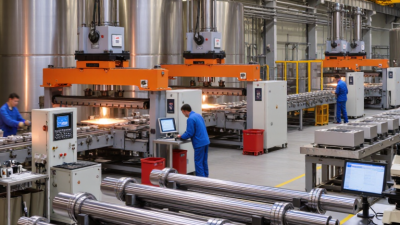
China’s hard chromium plating industry serves demanding fields, including hydraulic cylinders, injection molds, automotive parts, and aerospace tooling. The strongest suppliers do more than place a bright metallic layer on steel. They manage surface preparation, bath chemistry, current density, temperature, grinding, and final inspection with disciplined consistency.

N. V. Parthasaradhy, a respected electroplating author, stated, “The quality of an electroplate depends on the quality of the surface to be plated.” This principle remains highly relevant. A polished mold cavity, a chrome-plated piston rod, and a worn industrial shaft require different preparation methods. Suppliers should therefore explain their process controls, not simply promise hardness or long service life.

This China Top 10 Hard Chromium Plating Suppliers overview considers practical indicators, such as equipment capability, coating thickness control, surface finishing, dimensional accuracy, testing procedures, and experience with complex components. Reliable companies should provide measurable data, including hardness ranges, adhesion results, roughness values, and inspection records. Certifications can support credibility, but they cannot replace technical judgment.

There is no perfect supplier.

Some companies may communicate well but lack experience with unusual geometries. Others may offer advanced equipment yet provide limited documentation. Buyers should examine samples, review production evidence, and ask how defects are handled. In hard chromium plating, a small grinding error can affect sealing performance, friction, and component life. Careful comparison is necessary before selecting a long-term Chinese plating partner.
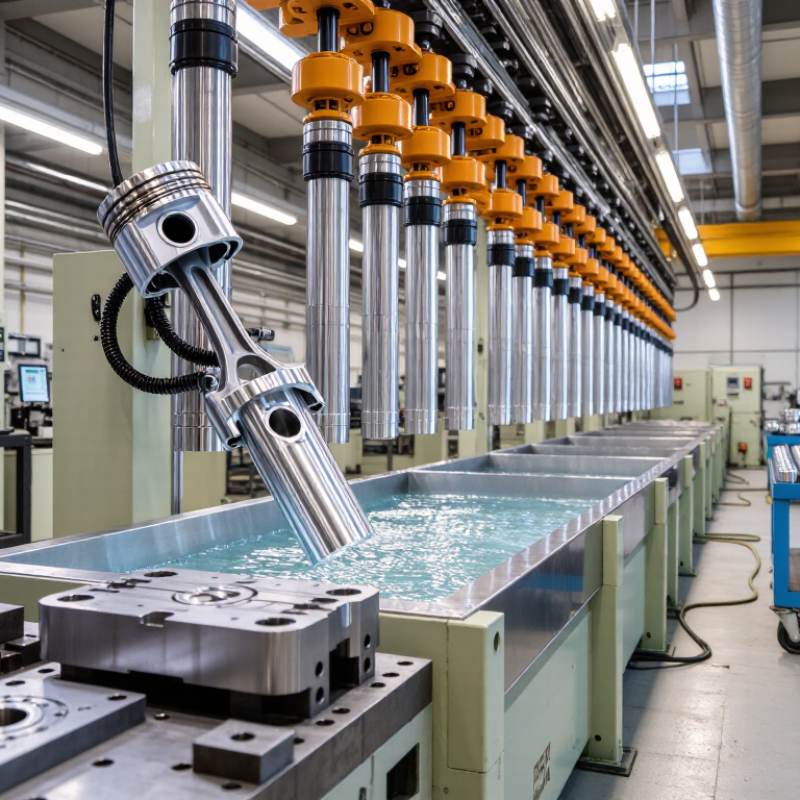
China Top 10 Hard Chromium Plating Suppliers

What Hard Chromium Plating Is and Why It Matters

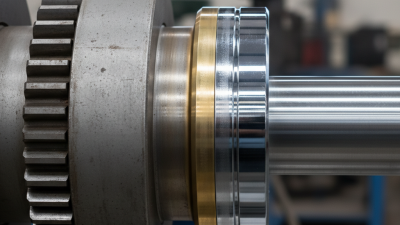
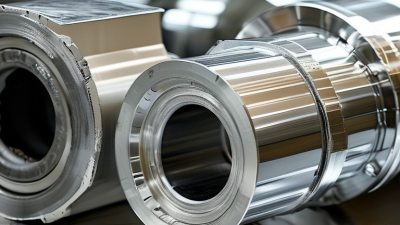
Hard chromium plating is an electrochemical process that deposits chromium onto a prepared metal surface. The coating is valued for high hardness, wear resistance, and a low-friction finish. It can help hydraulic rods, molds, rollers, and engine components survive repeated contact.

The process demands control. Technicians must clean and activate the substrate before plating. Poor preparation can cause peeling, even when the surface looks bright. Bath temperature, current density, and plating time affect thickness and uniformity. After plating, grinding or polishing may restore precise dimensions. Inspection should include coating thickness, adhesion, surface roughness, and visible defects.

It is not a miracle coating.

A dependable Chinese supplier should show process records, equipment details, test methods, and experience with similar components. Ask how the supplier manages edge buildup, masking, cracks, and hydrogen-related risks in high-strength steel. These details matter more than polished marketing language. Independent testing can strengthen confidence, especially for safety-critical parts.

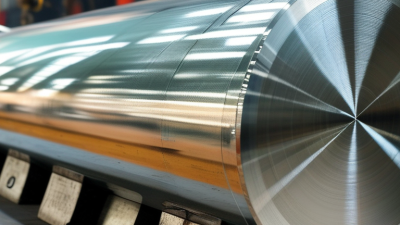
In practical production, small differences become expensive. A rough cylinder rod may damage seals. An uneven mold surface may mark every finished part. Still, hard chromium plating has limits. It may not suit every geometry, base material, or environmental requirement. Supplier rankings can also be misleading when they ignore quality consistency, technical support, and corrective response. A careful comparison should examine samples, tolerances, documentation, and after-sales communication before approving the top ten candidates.

How to Evaluate Hard Chromium Plating Suppliers in China

China Top 10 Hard Chromium Plating Suppliers

How to Evaluate Hard Chromium Plating Suppliers in China

A capable supplier should explain its process, not merely display attractive photographs. Ask for coating thickness records, surface hardness results, adhesion tests, and dimensional inspection reports. Specifications should match the application, such as hydraulic rods, molds, rollers, or wear-resistant components. Confirm whether measurements come from calibrated instruments. A polished certificate alone proves little.

Practical evaluation begins with production evidence. Request a sample part or a documented trial order. Check the coating under magnification for cracks, pits, burns, and uneven edges. Compare the stated thickness with independent measurements at several points. The supplier should control pretreatment, bath temperature, current density, grinding, and final polishing. Process records should identify operators, equipment, and inspection dates.

Traceability matters. Reliable suppliers can link raw materials, plating batches, inspection data, and shipment records. Ask about wastewater treatment, chemical storage, worker protection, and applicable environmental permits. These details show operational maturity, not just sales ability. During factory visits, observe housekeeping and record control. Small weaknesses can reveal larger risks. I have found that delivery promises are often easier to verify than long-term coating performance. An honest supplier should discuss failed trials, repair procedures, and reasonable limitations. No supplier is perfect, and buyers should leave room for rechecking assumptions.

China’s Top 10 Hard Chromium Plating Suppliers

China’s Top 10 Hard Chromium Plating Suppliers deserve careful evaluation beyond factory photographs and polished brochures. The strongest suppliers usually serve hydraulic rods, molds, rolls, shafts, and precision machine parts. Their workshops should show controlled plating tanks, dedicated grinding equipment, and clean measurement areas. Practical experience matters when coating thickness reaches tight dimensional limits.

A reliable supplier can explain surface preparation, bath control, current density, and post-plating grinding. Ask for hardness reports, thickness records, adhesion tests, and inspection data for similar parts. Salt spray results may help, but they do not replace application-specific testing. Check how each supplier manages masking, edge coverage, cracks, and final roughness. Small details often affect service life.

The top ten should also provide traceable production records and clear quality responsibilities. Confirm their ability to meet drawings, tolerances, packaging requirements, and delivery schedules. Environmental permits and wastewater controls deserve attention as well. These points support responsible and lawful production. Still, no supplier is perfect. Some may communicate quickly but explain technical risks poorly. Others may offer excellent engineering yet need stronger delivery planning. A sample order can reveal more than a sales presentation. I would compare measured results, not promises, before approving long-term cooperation.

Comparing Supplier Capabilities, Industries, and Service Coverage

China Top 10 Hard Chromium Plating Suppliers

Comparing supplier capabilities requires more than checking coating thickness. Experienced buyers examine bath control, surface preparation, hardness testing, and final inspection records. A dependable supplier should explain its process clearly and provide measurable quality data. Ask for sample reports, not general promises. Fit matters.

Industrial coverage varies across the leading suppliers. Some support hydraulic rods, printing cylinders, molds, and automotive components. Others focus on repair work or high-volume production. Their equipment may include automated lines, CNC polishing, masking tools, and thickness gauges. A supplier serving large shafts needs different handling capacity than one plating small precision parts.

Service coverage also separates capable suppliers from convenient ones. Check whether they offer engineering review, drawing feedback, trial orders, packaging control, and export documentation. In my experience, response time often reveals factory discipline. However, fast replies do not prove technical strength. That assumption can fail. Verify production capacity through audits, inspection samples, and clear acceptance standards. Regional logistics, after-sales communication, and rework procedures deserve equal attention. Some suppliers appear strong until an irregular part requires special masking. Others lack deep industry experience but communicate problems honestly. That honesty can reduce costly surprises.

How to Choose the Right Chinese Hard Chromium Plating Supplier

Choosing a Chinese hard chromium plating supplier requires more than comparing prices. Examine experience with your material, geometry, and operating conditions. A supplier familiar with hydraulic rods may not understand precision molds or aerospace tooling. Ask for evidence of similar projects, including coating thickness, hardness, adhesion, surface roughness, and final dimensional tolerance.

Request a sample process plan. It should explain cleaning, masking, plating, grinding, polishing, and inspection. Check whether the supplier controls bath temperature, current density, and coating uniformity. Ask for recent test records, calibration certificates, and batch traceability. Independent laboratory testing can confirm doubtful results. Small details matter.

Visit the facility when possible. Observe ventilation, wastewater treatment, storage practices, and worker protection. These points reveal operational discipline and support responsible legal compliance. Discuss packaging, lead times, rework rules, and communication before placing an order. A low quotation may hide grinding losses, delayed inspections, or weak after-sales support. No audit is perfect. Even experienced buyers can overlook edge build-up or masking marks. Keep technical drawings, acceptance criteria, and photographs in writing. Choose the supplier that explains limitations clearly, not the one promising everything.

China Top 10 Hard Chromium Plating Suppliers - How to Choose the Right Chinese Hard Chromium Plating Supplier

Anonymous supplier-screening profiles based on common Chinese hard chromium plating capabilities. Confirm current process limits, certifications, environmental compliance, pricing, and sample results directly with each supplier before placing an order.
Ranking Anonymous Supplier Profile Typical Customer Focus Common Substrates Typical Hard Chrome Thickness Typical Hardness Representative Part Capacity Finishing Options Quality Documents to Request Best Fit Key Selection Check
1 Profile A
Large-scale engineering plating facility
Hydraulic cylinders, rollers, shafts, and industrial wear parts Carbon steel, alloy steel, stainless steel 25–150 μm 800–1,100 HV Long parts up to approximately 6–8 m; confirm diameter limits Grinding, polishing, masking, dimensional restoration Coating-thickness report, hardness test, dimensional inspection, salt-spray or corrosion data when applicable High-volume industrial components Verify straightness, runout, thickness uniformity, and repair capability
2 Profile B
Precision shaft and cylinder specialist
Hydraulic rods, piston rods, precision shafts, and sliding components Medium-carbon steel, hardened steel, stainless steel 15–100 μm 850–1,050 HV Diameter commonly 10–500 mm; length commonly up to 4–6 m Centerless grinding, cylindrical grinding, mirror polishing Roundness, cylindricity, roughness, and coating-thickness records Parts requiring tight dimensional control Request a sample inspection report against the drawing tolerance
3 Profile C
Mold and tooling plating specialist
Injection molds, die-casting tooling, forming dies, and cutting tools Tool steel, stainless steel, alloy steel 5–50 μm 800–1,100 HV Small to medium tooling; confirm cavity depth and masking limits Selective plating, masking, polishing, dimensional correction Microsection or thickness mapping, adhesion test, surface-finish record Tool-life improvement and release reduction Check edge coverage, recess coverage, and post-plating dimensional change
4 Profile D
Roll and surface-restoration provider
Printing rolls, textile rolls, steel rolls, and conveyor components Carbon steel, cast iron, alloy steel 50–300 μm 800–1,050 HV Large cylindrical parts; confirm maximum weight and diameter Build-up plating, rough grinding, finish grinding, polishing Profile measurement, balance or runout record, thickness mapping, adhesion evidence Repair and refurbishment of worn cylindrical surfaces Confirm removal of damaged areas and control of residual stress
5 Profile E
Small-batch precision plating workshop
Prototype parts, replacement components, laboratory equipment, and maintenance orders Steel, stainless steel, copper alloys with suitable preparation 10–75 μm 800–1,050 HV Small and medium parts; confirm minimum order and fixture charges Selective plating, masking, polishing, light rework Material compatibility review, inspection report, photographs, and sample approval record Low-volume and development projects Assess engineering communication and ability to follow drawings
6 Profile F
Automotive and machinery component supplier
Automotive shafts, machine components, pumps, valves, and wear-resistant parts Alloy steel, carbon steel, stainless steel 10–100 μm 800–1,100 HV Small to medium production components; confirm annual capacity Grinding, polishing, degreasing, masking, batch processing Process control plan, batch traceability, inspection records, corrective-action procedure Repeat production with stable specifications Review process capability, traceability, and consistency between batches
7 Profile G
Corrosion and wear-resistance specialist
Chemical equipment, pump parts, marine components, and industrial wear surfaces Carbon steel, stainless steel, nickel-containing alloys where compatible 25–150 μm 850–1,100 HV Medium and large parts; confirm chemical-service limitations Polishing, sealing where applicable, dimensional restoration Corrosion-test method, coating-adhesion results, thickness mapping, bath-control records Harsh operating environments Match the coating system to actual chemicals, temperature, and load conditions
8 Profile H
Export-oriented contract plating facility
Industrial export orders, OEM subcontracting, and international replacement parts Steel, stainless steel, cast iron, and approved engineering alloys 10–125 μm 800–1,100 HV Varied part sizes; confirm export packing and logistics arrangements Grinding, polishing, inspection, export packaging Inspection plan, material certificates, packing list, commercial invoice, and compliance documents Overseas buyers requiring documentation Evaluate communication, Incoterms capability, packaging, and delivery reliability
9 Profile I
Repair and refurbishment specialist
Worn shafts, bearing seats, hydraulic rods, and maintenance repairs Carbon steel, alloy steel, stainless steel, cast iron after assessment 50–300 μm for build-up applications 800–1,050 HV Medium and large repair parts; confirm damage depth and geometry Pre-plating machining, build-up plating, grinding, final polishing Damage assessment, repair allowance, final dimension report, adhesion verification Extending service life of expensive components Confirm whether the supplier can meet the required repair allowance and concentricity
10 Profile J
Integrated machining and plating provider
Machined components requiring plating, grinding, and final inspection from one source Carbon steel, alloy steel, stainless steel, selected copper alloys 10–150 μm 800–1,100 HV Small to medium parts; confirm machining envelope and plating tank size CNC machining, grinding, polishing, masking, final inspection Material certificate, drawing-based inspection report, thickness report, process traceability Single-source procurement and reduced coordination Compare total landed cost, machining accuracy, plating quality, and lead time
1. Confirm the Standard
Define coating thickness, hardness, adhesion, roughness, dimensional tolerance, and inspection method before requesting quotations.
2. Check Part Compatibility
Share the substrate grade, heat-treatment condition, geometry, operating temperature, load, chemicals, and required service life.
3. Request a Sample
Approve a representative sample or first article and compare measured results with the engineering drawing.
4. Review Compliance
Request current quality-system certificates, wastewater-treatment information, material records, and applicable environmental documentation.