2026 Best Brushed Chrome Plating Suppliers?

Choosing a brushed chrome plating supplier in 2026 takes more than comparing sample cards. The finish should feel consistent under the hand, with a clean grain, even color, and no cloudy patches around edges. Suppliers may create the brushed texture before plating, so ask how they control grain direction and protect corners. Small details matter.

The NACE International IMPACT study estimated corrosion costs at $2.5 trillion worldwide, or 3.4% of global GDP. It also reported that applying corrosion-control practices could save 15% to 35% of those costs. These figures concern corrosion broadly, not brushed chrome alone. Still, they show why coating quality deserves careful review. ASTM B456 covers decorative and protective electrodeposited copper, nickel, and chromium coatings. It can help buyers frame technical questions, but it does not replace testing against a part’s actual use.

Corrosion expert H. H. Uhlig described corrosion as “the destructive attack of a metal by chemical or electrochemical reaction with its environment.” That principle remains relevant to plated parts exposed to moisture, cleaning chemicals, or frequent handling. Ask suppliers for coating specifications, sample panels, adhesion results, and documented process controls. Compare like with like. A polished showroom sample can hide uneven brushing on a production run. And a low quote may omit important checks. This guide compares suppliers by finish consistency, technical evidence, capacity, and communication. No supplier is perfect; buyers should verify claims on representative parts before committing.
2026 Best Brushed Chrome Plating Suppliers?

What Brushed Chrome Plating Is and Where It Is Used

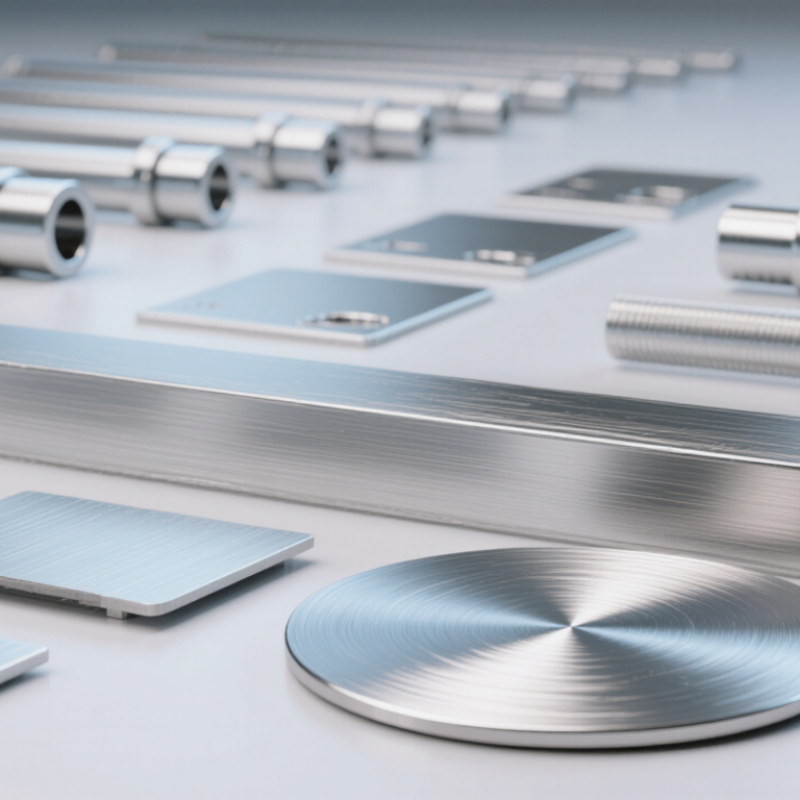
Brushed chrome is a decorative surface finish, not a solid metal. A fine, linear grain gives it a softer sheen than mirror-polished chrome. Depending on the process, brushing shapes the surface before plating; a thin chromium layer then adds a cool tone and helps resist tarnishing and wear. Nickel commonly sits beneath the chrome as a leveling and corrosion-resistant layer. The exact stack matters: a scratch can expose the layer below, and the finish cannot hide poor preparation. It is practical, but not magic.

The finish appears on bathroom taps, shower fittings, cabinet pulls, door hardware, appliance handles, and some vehicle trim. These parts benefit from a surface that looks refined without showing every fingerprint as sharply as a mirror finish. World Stainless reported 62.6 million metric tonnes of stainless-steel production worldwide in 2024. That figure describes the wider substrate industry, not demand for brushed chrome plating. On a supplier drawing, ask for the base material, coating layers, brushing direction, and a stated thickness or test method. Small details matter. A brushed grain can vary between batches, so inspect a physical sample under the lighting where the part will be used.

Brushed Chrome Plating: Typical Coating Thickness by Type

Brushed chrome is a surface appearance created through finishing; “brushed” does not specify a unique chrome-plating thickness. Decorative chrome is commonly used on visible hardware and trim, while thicker engineering chrome is used on components that need wear resistance. The ranges shown are indicative and vary with the part, specification, and application.

How Brushed Chrome Finishes Are Produced and Specified

A brushed chrome finish begins with surface preparation, not the final chrome layer. The part is abraded with controlled belts or pads to create fine, directional lines. Those lines may be vertical, circular, or custom to the component. The surface is then cleaned and plated, often with nickel beneath a thin chromium layer. Plating does not hide poor preparation. It can make scratches and uneven grain more visible.

The grain matters. Specify its direction, visual density, and acceptable variation, rather than relying on “satin” alone. A useful drawing also identifies the base material, areas to mask, and any critical dimensions. Plating adds material, and edges or recessed details can finish differently from broad, flat faces. Ask for a representative sample made with the intended substrate and process. A polished sample is not a reliable match.

For supplier evaluation, compare color, reflectivity, and grain under consistent lighting. Record plating thickness where it matters, and define suitable corrosion and adhesion checks for the product’s use. Request inspection criteria and agree on how visible surfaces will be handled and packed. Small differences are normal across complex shapes; pretending otherwise can create disputes. Even a well-written specification may need adjustment after the first production trial.

2026 Best Brushed Chrome Plating Suppliers? - How Brushed Chrome Finishes Are Produced and Specified

Use this supplier-evaluation guide to compare capabilities and request like-for-like quotations. The values and finish requirements should be agreed for each part; there is no single coating thickness or brushing specification suitable for every application.

Evaluation area What a capable supplier should explain What to specify or verify
Brushed appearance How the directional grain is created, its orientation, and how the finish is kept consistent across parts and production batches. Provide an approved physical sample or reference image. Define grain direction, acceptable visual variation, inspection lighting, and viewing distance.
Process sequence A typical decorative process includes cleaning and preparation, mechanical brushing, electrodeposited nickel, and a thin chromium topcoat. The sequence may vary by substrate and finish design. Ask which stages occur before and after brushing, and whether the proposed process is appropriate for the specified base material and intended service environment.
Substrate preparation Preparation and activation steps suited to the actual substrate, such as steel, brass, zinc die casting, or plastic designed for plating. Identify the substrate and any casting, machining, or polishing requirements on the drawing. Confirm how pits, seams, and surface defects will be handled.
Coating specification A written coating build-up, including the applicable nickel and chromium requirements, rather than an undefined description such as “chrome plated.” Set coating type, thickness requirements, measurement locations, and acceptance criteria on the drawing or purchase specification. Requirements depend on the part and application.
Standards and measurement The supplier should identify the standard and test method used, and confirm that it applies to the selected coating system and substrate. Depending on the specification, relevant references may include ISO 1456 for electrodeposited nickel and nickel-plus-chromium coatings, and ISO 3497 for X-ray coating-thickness measurement. Confirm the required edition and scope.
Thickness verification A documented method suitable for the part geometry and coating stack; measurement results should be traceable to defined locations or test pieces. Agree whether measurements are made by X-ray methods, cross-section examination, or another applicable method, and define sampling frequency and reporting format.
Corrosion performance A test plan matched to the product’s environment, coating system, and customer requirements. Test outcomes depend on the complete coating stack and part design. Specify the test method, duration, evaluation criteria, and any required test-part configuration. Do not treat a test result as a universal service-life guarantee.
Part geometry and coverage How racks, electrical contacts, recesses, edges, and part orientation affect coverage and appearance. Mark cosmetic surfaces, contact points, masked areas, and critical edges on drawings. Review a representative sample with the proposed rack arrangement.
Quality records Inspection records covering visual appearance, agreed coating checks, lot identification, and nonconformance handling. Request a sample inspection report and define documentation requirements, lot traceability, sample size, and approval process before production.
Environmental and process controls Clear information on the plating chemistry offered, applicable regulatory obligations, and controls for process chemicals and wastewater. State any restricted-substance, market-access, or customer-specific requirements in the inquiry and request supporting documentation where applicable.
Quotation and production fit A quotation based on part material, dimensions, annual volume, batch size, cosmetic class, packaging, and required inspection. Compare quotations using the same drawing revision, finish sample, coating specification, inspection plan, packaging requirements, and delivery assumptions.

Practical selection tip: approve a representative plated sample and a written finish specification before committing to volume production.

Criteria for Evaluating Brushed Chrome Plating Suppliers

Evaluate a brushed chrome supplier by its process controls, not by a polished sample alone. Ask how the shop prepares each substrate, builds the nickel-chrome coating, and creates the directional grain. Request written limits for coating thickness, adhesion, gloss, and brush-line variation. Ask for test records linked to your part number and production lot.

Small details matter. One attractive panel cannot reveal weak edge coverage or inconsistent pretreatment. Handles, trim, and bathroom fittings also face different abrasion and moisture loads.

Corrosion evidence should match the intended service environment. NACE International’s 2016 IMPACT study estimated global corrosion costs at $2.5 trillion annually, or about 3.4% of world GDP, based on 2013 data. That broad estimate is not a coating pass-fail threshold; it highlights why durability records matter.

Compare salt-spray or cyclic-corrosion results only when the substrate, coating thickness, scribe method, and exposure duration are stated. Ask whether the supplier tracks bath chemistry, calibration, rejects, and corrective actions across repeat orders. Check traceability and wastewater controls, too.

A polished brochure is not enough. If raw test data are difficult to obtain, take a closer look. Perfection is unrealistic; consistent evidence is not.

Supplier Capabilities, Certifications, and Service Comparisons

For a 2026 brushed chrome plating shortlist, compare process control, not just quoted price. Ask suppliers how they create the directional satin grain and protect it through nickel and chromium deposition. A capable shop should explain rack contact points, masking, coating thickness checks, and how it handles edges that can look brighter than flat faces. Request sample parts from the same substrate and finish class as your own. Small details matter.

Certification helps, but it is not a finish guarantee. The ISO Survey 2022 reported more than 1.2 million ISO 9001 certificates worldwide, making quality-system certification a useful baseline rather than proof of plating skill. Ask for current certificates, scope, audit dates, and inspection records tied to actual jobs. For decorative coatings, discuss ASTM B456 requirements where applicable, plus agreed tests for adhesion, corrosion resistance, and appearance. A supplier should state the test method and acceptance criteria before production, not after a dispute.

Service can separate otherwise similar shops. Compare lead times, minimum batch sizes, engineering support, and traceability for each lot. Ask how they respond when a brushed panel shows streaks under angled light. A clear answer is reassuring. Yet I would still inspect a first-article sample; written controls can miss a visual defect. Request photographs under consistent lighting, and confirm packaging prevents rub marks during transit.

How to Select and Verify a Supplier for a Plating Project

Selecting a brushed chrome plating supplier starts with the part, not the catalogue. Share drawings, base metal, expected handling, and the viewing distance where finish variation will show. Ask how the brushed texture is created and whether it is applied before plating or produced through another controlled process. That detail matters. Request a written specification for the coating stack, thickness range, color, gloss, and allowable marks. “Chrome” alone is not a usable acceptance standard. A capable supplier should explain how its process suits your geometry, including recesses, edges, and threaded areas.

Before placing a production order, request a sample made from the same substrate and process route. Inspect it under neutral light; check grain direction, edge coverage, fingerprints, and color beside your reference part. Small details matter. Ask for relevant test records, such as adhesion and corrosion results, and confirm the test methods and acceptance limits—not just a pass statement. Verify inspection tools, corrective-action practices, capacity, and lead times with specific questions. Keep approved samples and written tolerances for incoming checks. A sample can still flatter the process. Recheck the first production batch; small shifts may only become obvious after parts are assembled.