Ultimate Guide to Nickel Chrome Plating Tips for Buyers?
Nickel chrome plating is a vital process in various industries. It combines nickel and chromium to create a protective layer. This layer not only enhances aesthetics but also offers durability. According to a 2022 market report, the global nickel chrome plating market is expected to reach $1.5 billion by 2026, growing at a compound annual growth rate of 6.8%.
Despite its advantages, buyers must approach nickel chrome plating with caution. The quality can vary significantly among suppliers. Inconsistent plating thickness or poor adhesion can lead to issues like corrosion. A 2021 survey indicated that 30% of manufacturers reported dissatisfaction with their plating service, highlighting the need for due diligence.
Understanding the intricacies of nickel chrome plating is essential for informed purchasing decisions. Knowing the right questions to ask can prevent costly mistakes. Buyers should consider factors like finish quality and environmental compliance. By doing so, one can ensure a reliable and lasting finish for their products.
Understanding Nickel Chrome Plating: Definition and Applications
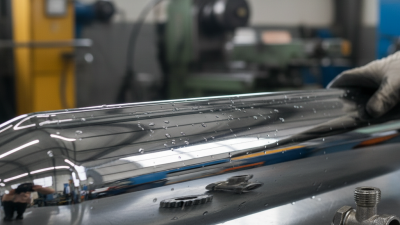
Nickel chrome plating is a popular finishing technique used in various industries. It involves applying a layer of nickel followed by a layer of chromium to a substrate. This process enhances the aesthetic appeal and durability of various products. Many automotive parts, household fixtures, and even jewelry benefit from this finish. The reflective surface provides an attractive shine that draws attention.
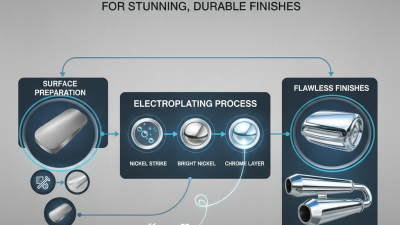
When considering nickel chrome plating, understanding its applications is crucial. This technique is widely used in the automotive industry for bumpers and trims. It offers both protection and style. In the manufacturing of kitchen appliances, nickel chrome plating helps in preventing rust and corrosion. However, the plating process can be complex. It's essential to ensure proper surface preparation and correct layer thickness. Inadequate processing can lead to peeling or discoloration over time.
Yet, not every application is suitable for nickel chrome plating. Some metals may not bond well with the plating. The environmental impact of the chemicals used in the process raises concerns too. Buyers should be aware of the potential downsides. It’s vital to work with experienced professionals who can offer insight into the best practices. Choosing the right plating service requires a deep understanding of both the material and the desired outcome.
Nickel Chrome Plating Applications and Benefits
Key Benefits of Nickel Chrome Plating for Various Industries
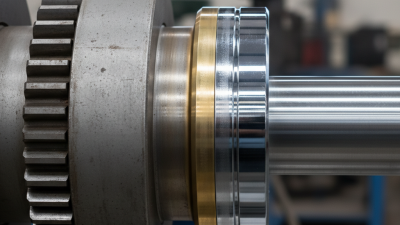
Nickel chrome plating offers significant benefits across various industries. This technique enhances durability and resistance to corrosion. It creates a protective barrier that extends the lifespan of metal components. Industries such as automotive and aerospace heavily rely on this process. For them, longevity is crucial. Improved wear resistance is also a vital advantage. Components can withstand harsh conditions better than untreated ones.
Additionally, the aesthetic appeal of nickel chrome plating cannot be overlooked. Surfaces have a bright and shiny finish, attracting customers and enhancing product value. This can be essential in retail settings. However, the plating process requires expertise. Not all applications achieve the desired outcome. Variations in thickness and adhesion can occur. It is vital to choose experienced professionals for optimal results.
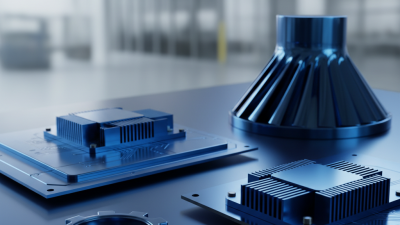
In sectors like electronics, nickel chrome plating provides superior conductivity. It ensures reliable performance in critical components. Yet, some worry about the environmental impact of the materials used. Conducting thorough research is recommended. Balancing quality, aesthetic appeal, and environmental responsibility is a continuous challenge for many buyers. Understanding these nuances will lead to better decision-making and successful applications.
Factors to Consider When Choosing a Nickel Chrome Plating Service
When selecting a nickel chrome plating service, it's crucial to consider several factors. Quality of work is paramount. Look for a company with a solid reputation. Check their past projects and customer reviews. High-quality plating ensures durability and aesthetic appeal.
Another factor is the range of services offered. Many providers specialize in different areas, like automotive parts or decorative finishes. Assess your specific needs. This will help in finding a service that aligns with your requirements. Don’t hesitate to ask about their processes, materials, and technology used.
Here are some tips to guide your decision. Request samples of their work to evaluate the finish. Ensure they follow industry standards for plating thickness. A reliable service should guarantee their work. Finally, communication is essential. A responsive provider can ease your concerns and clarify doubts.
Tips for Maintaining Nickel Chrome Plated Surfaces for Longevity
Maintaining nickel chrome plated surfaces can significantly extend their lifespan. Regular care is essential. The appearance of these surfaces can easily degrade if not tended to properly.
Routine cleaning is one key tip. Use a soft cloth and mild soap solution to wipe down surfaces. Avoid abrasive materials as they may scratch the finish. Rinse thoroughly to prevent soap residues from attracting dirt and grime. An occasional polish can restore shine. This protective layer helps resist corrosion.
Consider the environment too. High humidity or salty air can accelerate deterioration. If you live in such areas, frequent inspections are wise. Look for any signs of wear or discoloration. Early attention can help avoid costly repairs later. Always use products specifically designed for nickel chrome when applying any protective agents.
Common Questions and Answers About Nickel Chrome Plating Process
Nickel chrome plating is a popular process, especially for automotive parts and decorative items. Many buyers have questions about this process. One common concern is the overall durability. Nickel plating adds a protective layer, but it's essential to know that it can still scratch. Choosing the right thickness plays a crucial role in the longevity of the finish.
Another frequent question involves the appearance. After plating, parts have a shiny, reflective surface. However, achieving the desired lustrous finish depends on the preparation of the base material. Poorly prepped surfaces can lead to defects, which need addressing. Buyers should inquire about the service provider's surface preparation methods, as this can make a significant difference.
People also ask about the environmental impact of nickel chrome plating. The process does involve chemicals, raising concerns among eco-conscious buyers. It’s vital to ensure that the plating facility adheres to environmental regulations. Transparency about the chemicals used is necessary for responsible choices. Each plating project should be scrutinized for sustainability, ensuring it aligns with the buyer's values.
Ultimate Guide to Nickel Chrome Plating Tips for Buyers
| Aspect |
Details |
| Process Overview |
Nickel chrome plating involves applying a layer of nickel followed by a layer of chrome to provide a durable and shiny finish. |
| Advantages |
Corrosion resistance, aesthetic appeal, and improved durability of surfaces. |
| Common Applications |
Automotive parts, kitchenware, plumbing fittings, and decorative items. |
| Preparation Steps |
Cleaning, polishing, and sometimes etching the surface to enhance adhesion. |
| Common Issues |
Poor adhesion, bubbling, and discoloration can occur if not properly applied. |
| Cost Factors |
Material costs, surface area to be plated, and the complexity of the item. |
| Maintenance Tips |
Regular cleaning with mild soap and water; avoid abrasive cleaners. |
| Environmental Considerations |
Proper waste disposal and minimizing water usage in the process are essential. |