What is nickel chrome plating and its benefits for buyers?
Nickel chrome plating is a process that enhances metal surfaces. This technique combines nickel and chrome to create a durable layer. Buyers often seek to understand its advantages.
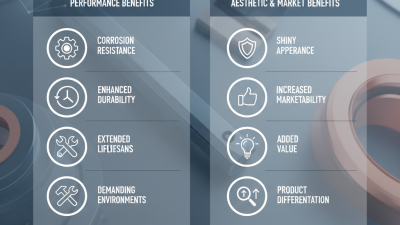
One notable benefit of nickel chrome plating is its corrosion resistance. Metals treated with this method can withstand harsh environments. This makes it ideal for automotive and industrial applications. The shiny finish also adds aesthetic value. Products look appealing and polished.
However, there are challenges with nickel chrome plating. The initial costs can be high, and the process requires expertise. Not all service providers meet quality standards. Buyers must research and choose wisely. Overall, understanding nickel chrome plating helps buyers make informed decisions.
What is Nickel Chrome Plating?
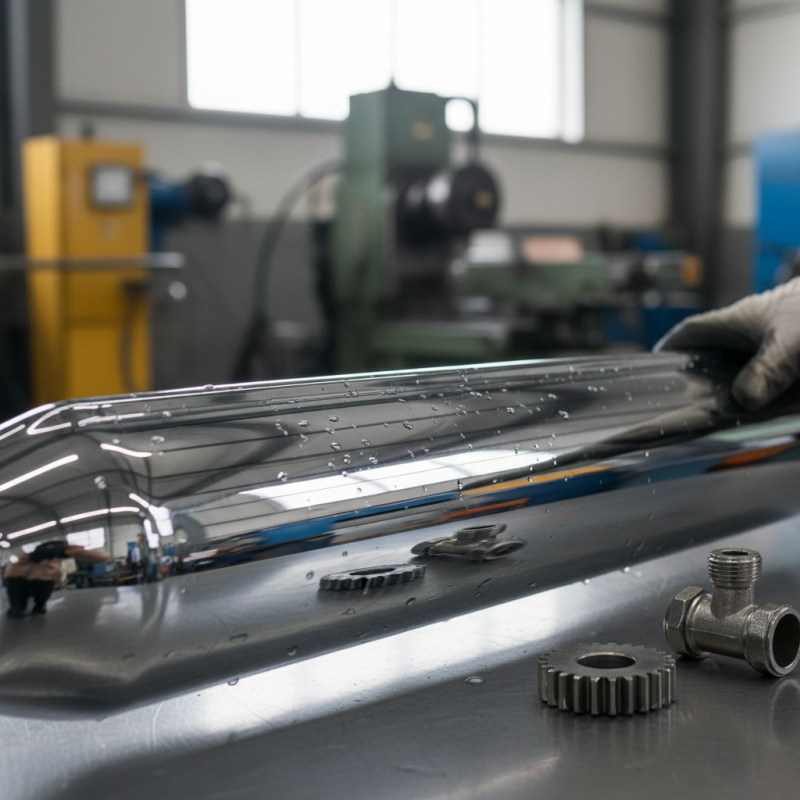
Nickel chrome plating is a process that applies a thin layer of nickel and chromium onto a metal surface. This method enhances the durability and aesthetic appeal of various items, from automotive parts to household fixtures. The combination of nickel’s corrosion resistance and chrome’s shiny finish makes this plating popular in many industries. Items plated with nickel chrome often exhibit a reflective, polished surface that adds elegance.
Applying nickel chrome plating can significantly improve the lifespan of products. It protects against rust and wear, extending the usefulness of everyday items. For buyers, this means less frequent replacements and maintenance, ultimately saving money over time. The high level of protection creates a reliable surface that withstands various environmental conditions.
Tips: When considering nickel chrome plating, evaluate the substrate material. Not every metal is suitable for this process. Proper surface preparation is crucial to ensure adhesion and a flawless finish. Always consult an expert to achieve the best results, as improper application can lead to unsatisfactory outcomes. Additionally, understand the potential environmental impacts, as some chemicals require careful handling during the plating process.
The Process of Nickel Chrome Plating Explained
Nickel chrome plating is a popular technique used for enhancing the surface properties of metal components. The process typically involves applying a layer of nickel followed by a layer of chromium. This dual-layer system provides both durability and aesthetic appeal. Reports indicate that items coated with nickel chrome can withstand corrosion significantly better than those with simple nickel plating alone, increasing their lifespan by up to 50%.
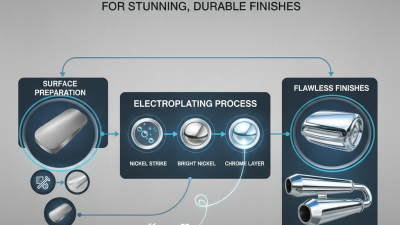
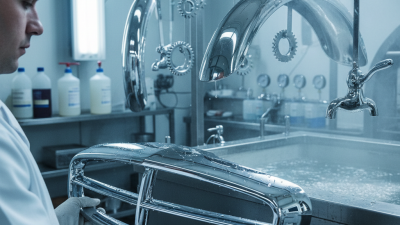
The process begins with thorough surface preparation, ensuring that the metal is clean and free of contaminants. This is followed by electroplating, where the nickel layer is deposited. Next, a chrome layer is applied to enhance shine and hardness. According to a study by the Electroplating Association, the chrome layer can provide an additional protective barrier against wear and environmental damage. However, the process does have its complexities, including the need for strict monitoring of plating parameters to achieve optimal results.
While many industries benefit from nickel chrome plating, its environmental impact cannot be ignored. The chemicals used in the process can be hazardous if not managed properly. Ongoing research aims to reduce the environmental footprint of plating processes. Buyers should consider these factors, weighing the benefits against potential drawbacks.
Key Benefits of Nickel Chrome Plating for Buyers
Nickel chrome plating is a finish applied to various surfaces. This process enhances the durability and appearance of the base material. For buyers, the benefits of this technique are substantial.
One key advantage is corrosion resistance. Nickel chrome plating protects metal surfaces from rust and degradation. This longevity reduces maintenance costs. It also will maintain its shine over time. Buyers appreciate the polished look. Aesthetic appeal can enhance the value of the product.
Another benefit is improved wear resistance. The plated layer provides a hard barrier against scratches and abrasion. This durability ensures that products endure heavy usage without losing their quality. However, this process may not be suitable for all applications. Buyers need to evaluate their specific requirements carefully. Each project may have unique demands that influence the choice of plating. Overall, understanding these factors is crucial for informed decision-making.
Applications of Nickel Chrome Plating in Various Industries
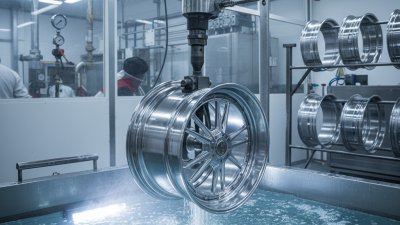
Nickel chrome plating offers remarkable benefits across various industries. This technique enhances surface properties, providing corrosion resistance, improved durability, and aesthetic appeal. Its applications span automotive, aerospace, and manufacturing sectors. In automotive, components like bumpers and wheels benefit from a shiny, protective layer.
According to a recent report by the International Journal of Advanced Manufacturing Technology, nickel chrome plating can improve fatigue resistance by up to 30%. In aerospace, where weight and durability are crucial, nickel chrome plating extends the lifespan of engine parts. This is essential for maintaining safety and efficiency in flight operations.
Tips: Consider the environmental impact of plating processes. It’s vital to choose a vendor practicing responsible waste management. Additionally, testing the adhesion strength of the plating before full production can prevent underperformance. Structurally complex components may need special attention to ensure uniform coating.
Considerations When Choosing Nickel Chrome Plating Services
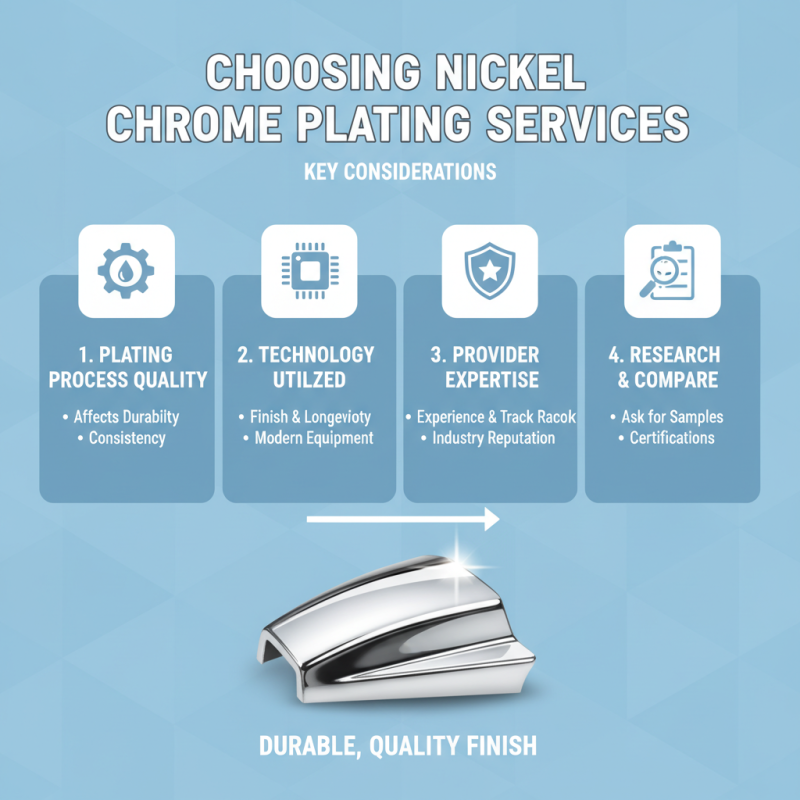
When selecting nickel chrome plating services, several factors come into play. Understanding the processes involved is crucial. The plating process can vary in quality, which will affect durability. Research the technologies used, as it impacts the finish and longevity of the plated item. Not all providers have the same level of expertise. Look for companies with solid experience in the field.
Cost is another pivotal consideration. Pricing can differ significantly among providers. It's essential to obtain quotes and compare them against the services offered. Cheap options might cut corners, leading to subpar results. Ensure that the chosen service balances quality and affordability. Ask about warranty options as well. A good warranty indicates confidence in the service quality.
Environmental factors also deserve attention. Some plating processes may harm the environment. Select a provider that follows best practices regarding waste management and safety. This reflects responsibility, which matters to many buyers today. Ignoring these aspects can lead to larger issues later on. A thoughtful approach can make a significant difference in the final outcome of your nickel chrome plating project.