What is Chemical Chrome Plating and How Does it Work?
Chemical chrome plating is a widely used technique in various industries, providing enhanced durability and aesthetics to metal surfaces. According to recent industry reports, the global market for chrome plating reached approximately $10 billion in 2022 and is expected to grow by 6% annually. This growth highlights the increasing demand for chemical chrome plating in automotive, aerospace, and consumer goods sectors.
The process of chemical chrome plating involves depositing a thin layer of chromium on a substrate, often made of metal or plastic. This method offers superior corrosion resistance, wear protection, and an appealing finish. However, it is not without challenges. The complexity of the chemical processes and the need for precise control can lead to inconsistencies in the final product. In many cases, the quality assurance practices must be rigorously followed to avoid these pitfalls.
Despite its advantages, chemical chrome plating faces scrutiny regarding environmental impacts. Proper waste management and adherence to safety guidelines are crucial. The industry must continually strive for innovation while addressing these concerns to maintain trust and credibility. As more businesses recognize the value of reliable chemical chrome plating, the focus on sustainable practices will likely shape its future.
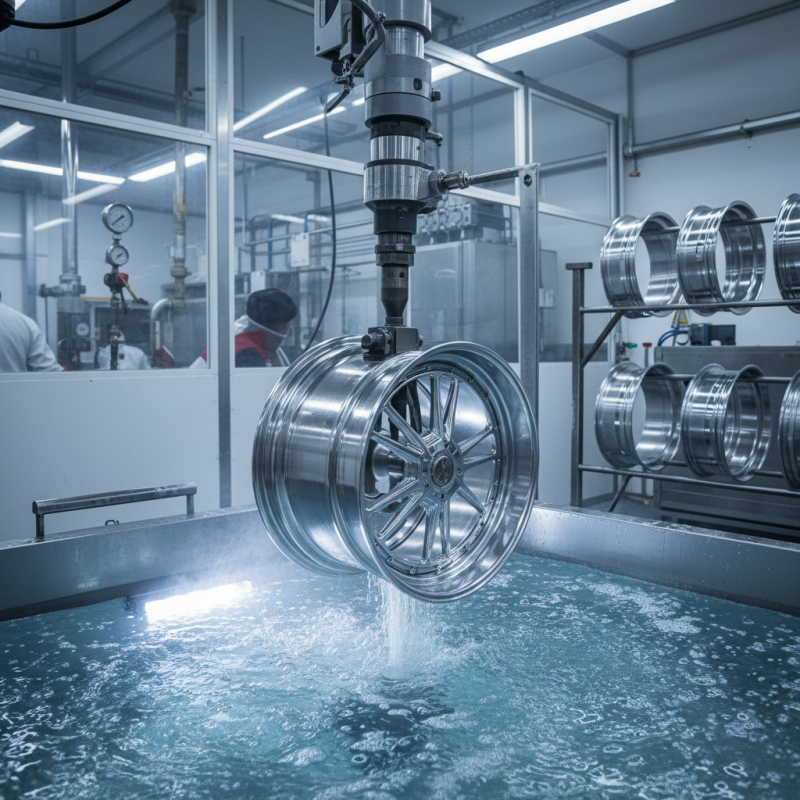
What is Chemical Chrome Plating?
Chemical chrome plating is a unique process used to enhance the surface of various metals. This technique allows for a smooth, shiny finish that can be beneficial for both aesthetic and functional purposes. Unlike conventional electroplating, chemical chrome plating utilizes a solution containing chromium compounds that react with the metal surface. This method creates a durable layer that resists corrosion and wear.
The process begins with careful cleaning of the substrate to remove contaminants. This step is crucial, as any leftover residue can impact the adhesion of the chromium layer. After the surface is prepared, it is immersed in the chemical solution. The duration of this immersion greatly affects the outcome. If the metal remains in the solution for too long, it may create a brittle surface.
Attention to detail is vital in chemical chrome plating. Inconsistent immersion times can lead to uneven coatings. Proper monitoring of temperature and concentration levels also plays a crucial role. Some users may overlook these factors, leading to disappointing results. It’s essential to constantly reflect on the process and adjust as needed to achieve the desired outcome.
History and Development of Chemical Chrome Plating
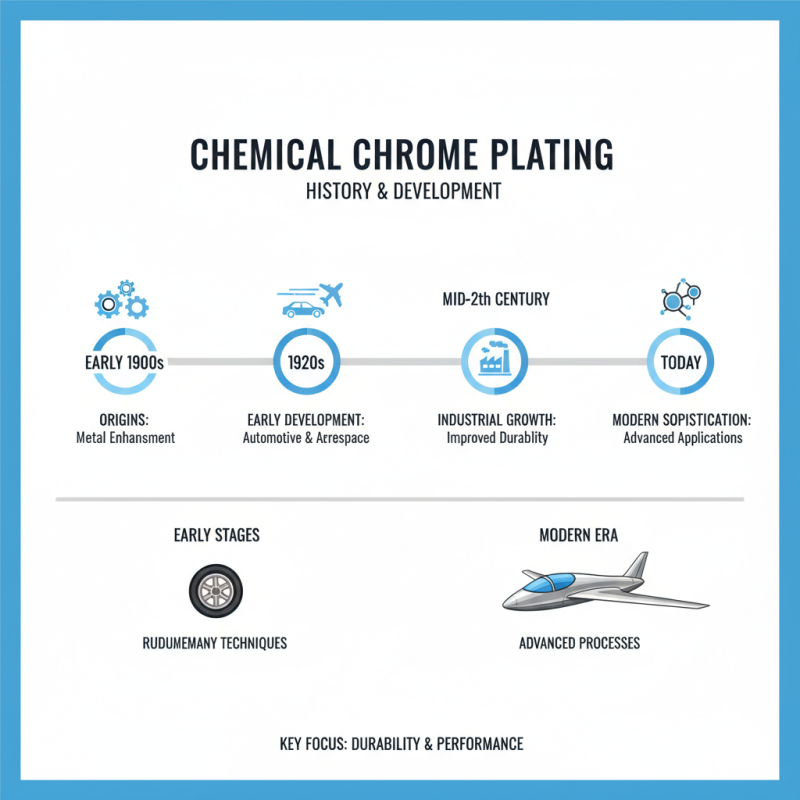
Chemical chrome plating traces its roots back to the early 20th century. The process began developing around the 1920s when industries sought ways to enhance metal properties. Initially, the technique was rudimentary, lacking the sophistication seen today. Early applications included automotive and aerospace components, where durability was crucial.
As technology evolved, the process became more refined. Advancements in chemistry allowed for improved adhesion and control over thickness. By the 1960s, chemical chrome plating became standard in various industries. It offered corrosion resistance and an appealing finish, making it desirable for decorative and functional purposes. However, environmental concerns started to emerge. The use of toxic substances in some processes prompted a reevaluation of methods.
Today, the industry continues to adapt. Newer practices aim to reduce environmental impact while maintaining quality. Still, challenges remain. The balance between performance and sustainability is delicate. Companies often find it hard to meet stringent regulations while delivering high-quality products. The evolution of chemical chrome plating reflects this ongoing struggle for innovation and responsibility.
The Chemical Chrome Plating Process: Step-by-Step Overview
Chemical chrome plating is a process that enhances metal surfaces. This method is crucial for improving corrosion resistance and aesthetic appeal. The process involves several precise steps to achieve the desired coating.
The chemical chrome plating process begins with cleaning the metal surface thoroughly. This step removes dirt, grease, and rust. A clean surface is vital for proper adhesion. After cleaning, a chemical solution containing chromium ions is prepared. The substrate is submerged in this solution, allowing chromium to deposit onto the surface through electrochemical reactions. Industry reports indicate that chemical chrome plating can improve wear resistance by up to 300%.
Post-plating, the coating undergoes inspection. A common method is the thickness measurement with an accuracy of ±1 μm. However, not all coatings provide consistent results. Some may exhibit challenges like uneven thickness or peeling. Continuous research in this area is essential. It will help understand these imperfections better and improve overall quality standards. Ensuring the reliability of the chemical chrome plating process is crucial for various applications, including aerospace and automotive industries.
Applications and Benefits of Chemical Chrome Plating
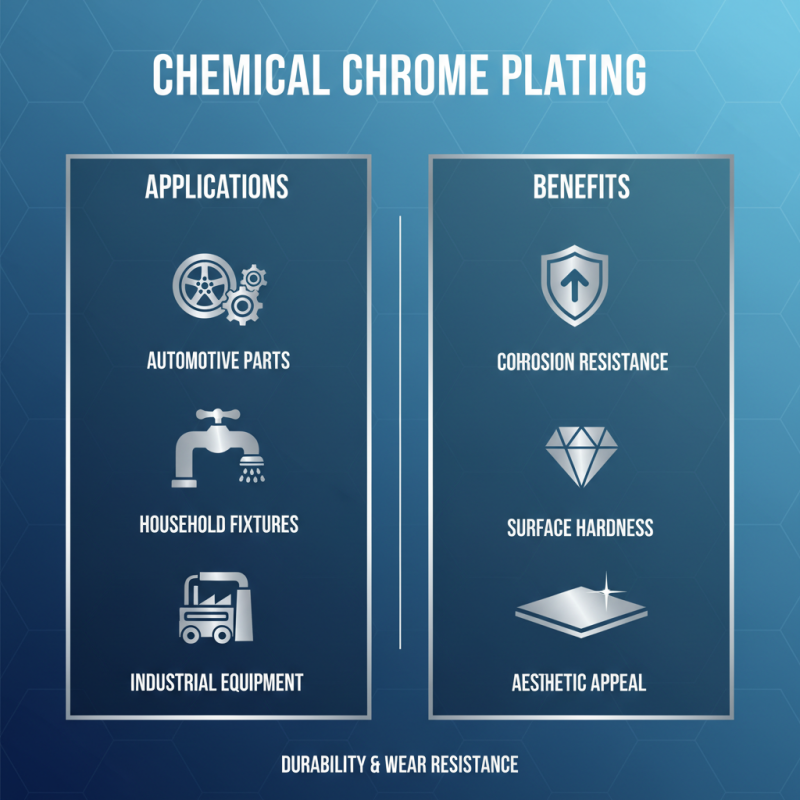
Chemical chrome plating is widely used in various industries due to its durability and aesthetic appeal. This process creates a thin layer of chromium on surfaces, enhancing corrosion resistance and providing a shiny finish. It is commonly applied to automotive parts, household fixtures, and industrial equipment. The benefits are substantial: improved wear resistance, enhanced surface hardness, and an attractive appearance.
Applications extend beyond simple decoration. For example, in the aerospace sector, components require exceptional longevity. Chemical chrome plating meets these demands effectively. It's also used in medical devices, where hygiene and strength are crucial. As industries evolve, the need for advanced coatings continues to grow.
Tips: Regular maintenance can extend the life of chrome-plated items. Avoid using abrasive cleaners; they can dull the finish. Consider the environment during disposal since some chemicals can be harmful. Reflect on the balance between aesthetic appeal and practicality when choosing plating systems.
Environmental Considerations and Safety Measures in Chemical Chrome Plating
Chemical chrome plating is a process that enhances the appearance and durability of metal products. However, it raises environmental and safety issues that deserve careful consideration. The use of hexavalent chromium, a toxic compound, poses significant health risks. Workers involved in the process may face exposure through inhalation or skin contact, leading to severe respiratory issues and skin diseases.
Proper safety measures are essential to mitigate these risks. Personal protective equipment, such as gloves, masks, and goggles, should be mandatory. Regular training programs on safety protocols can help workers understand the dangers. Moreover, implementing closed-loop systems can minimize waste and reduce environmental impact. Yet, even with precautions, not all facilities maintain compliance, highlighting a need for rigorous monitoring.
Waste management is another critical aspect. Spent solutions and sludge must be treated properly. Many plants struggle with this due to high costs and regulatory challenges. Ultimately, companies must prioritize both employee safety and environmental responsibility. A balance is required to ensure that chemical chrome plating remains a viable option without compromising health or ecological integrity.