How to Identify Chemicals Used in Chrome Plating Process?
In the intricate world of chrome plating, understanding the chemicals used in chrome plating is crucial for manufacturers and regulators alike. Experts highlight the significance of identifying these substances to ensure safety and environmental compliance. Dr. Emily Foster, a renowned specialist in electroplating technologies, once stated, "Clarity in the chemicals used in chrome plating is essential for both effective outcomes and worker safety."
The chrome plating process involves several key chemicals, including chromium trioxide, sulfuric acid, and various additives. Each chemical plays a role in achieving the desired finish and durability. However, the complexity of these chemical interactions can be daunting. The need for precise identification is not just about optimization; it’s also about mitigating risks associated with toxicity and environmental hazards.
Identifying chemicals used in chrome plating requires a thoughtful approach. As industries evolve, so do the formulations of these chemicals. This evolution mandates continuous education and adaptation among professionals. Misidentification can lead to subpar results or unforeseen hazards. Thus, ongoing dialogue within the industry is vital for promoting safer practices and improving overall outcomes.
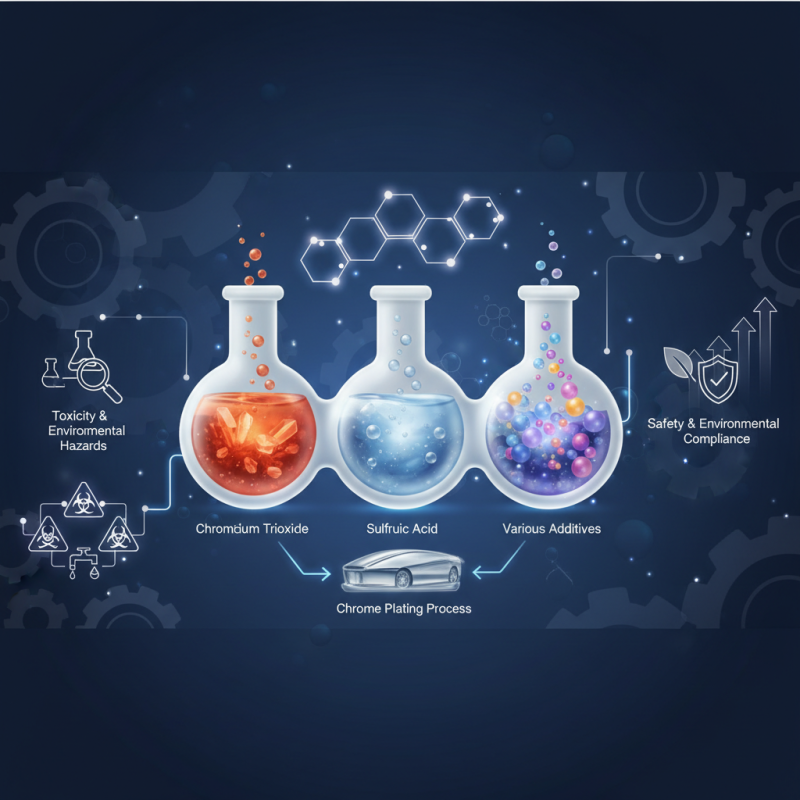
Overview of the Chrome Plating Process and Its Chemical Components
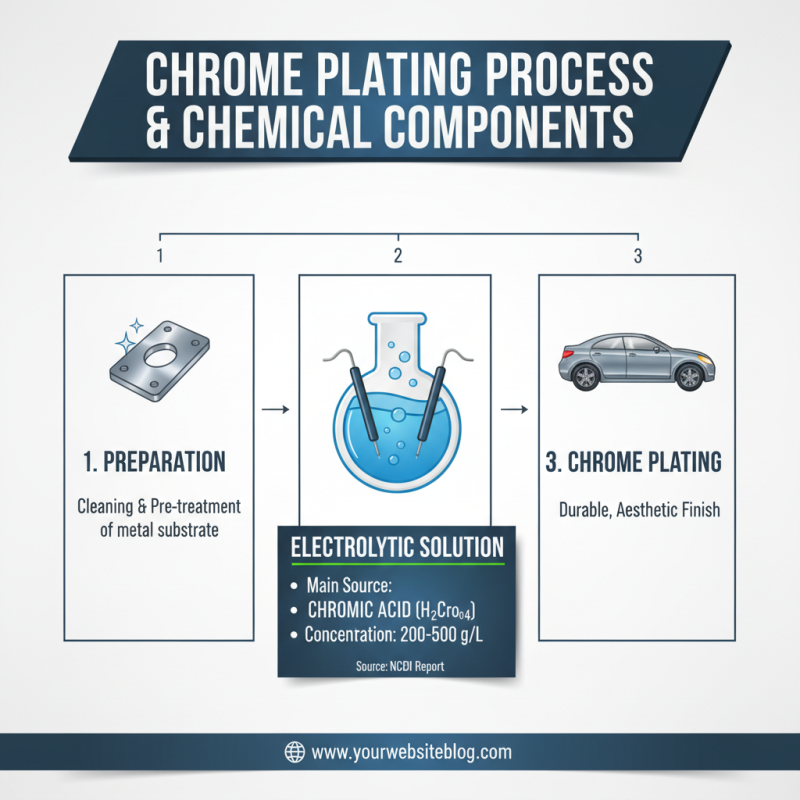
The chrome plating process involves several chemical components that play vital roles in achieving a durable and aesthetically appealing finish. At the heart of this process is the electrolytic solution, primarily composed of chromic acid, which serves as the main source of chromium. According to a report by the National Center for Biotechnology Information, the concentration of chromic acid typically varies between 200 to 500 grams per liter. This variance impacts the quality of the plating.
Another crucial chemical involved is sulfuric acid, often used to control pH levels in the plating solution. The ideal pH for chrome plating is around 1.5 to 4.5, ensuring optimal deposition. This chemistry is complex and requires precise management. The process also involves additives that enhance the plating quality, improve deposit adhesion, and reduce defects. Reports indicate that these additives can significantly affect the appearance and durability of the chrome layer.
Tips: Always monitor chemical concentrations. Regular testing ensures consistent quality. Additionally, wear protective gear when handling chemicals. Safety is paramount in any industrial setting. Maintaining transparency about process components can drive improvements in quality control. This self-reflection can lead to mastering the intricate balance of chemicals in chrome plating.
Key Chemicals Involved in Chrome Plating: Types and Functions
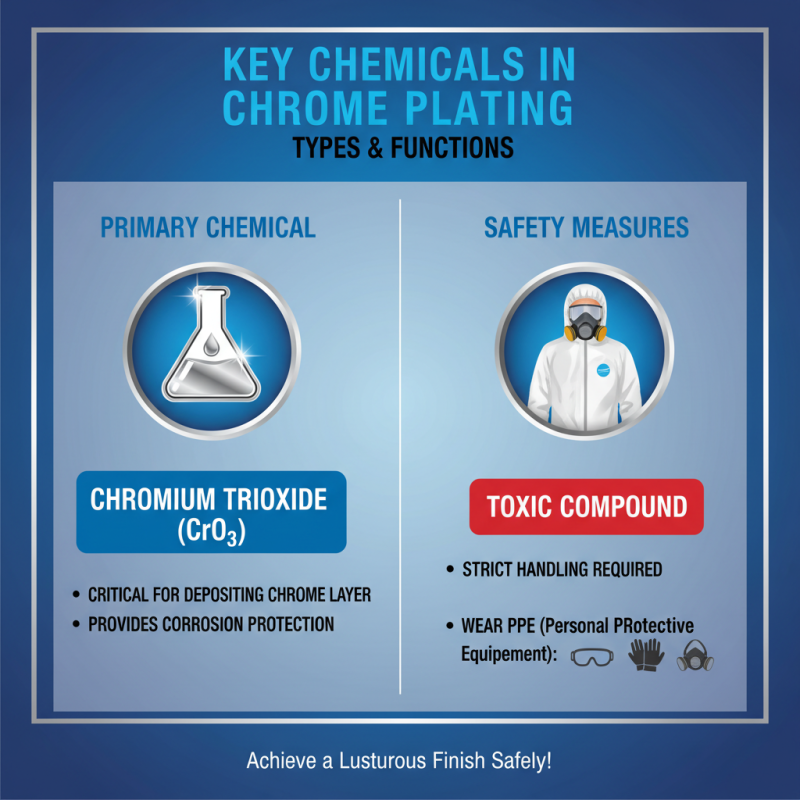
In the chrome plating process, several key chemicals are essential for achieving a smooth and lustrous finish. One of the primary chemicals used is chromium trioxide, a compound critical for depositing a thin layer of chromium onto surfaces. It offers protection against corrosion. However, its handling requires strict safety measures due to its toxicity. Workers must wear appropriate personal protective equipment to minimize exposure.
Another significant chemical is sulfuric acid, which serves as an electrolyte in the plating bath. It helps maintain the solution's acidity, which is vital for optimal plating. The concentration of sulfuric acid in the bath can affect the quality of the chrome layer. If not precisely monitored, the plating may become dull or uneven.
Additionally, various additives are often included to enhance the plating process. These can improve adherence and brightness of the chrome layer. For instance, wetting agents assist in reducing surface tension, allowing for a more uniform coating. However, the exact blend and concentration of these additives require careful consideration. Over-application can lead to defects in the final product. Each chemical plays a crucial role, and their proper management is necessary for achieving quality results in chrome plating.
Environmental and Safety Regulations for Chrome Plating Chemicals
The chrome plating process involves various chemicals that must be managed properly. Understanding the environmental and safety regulations is essential for compliance and sustainability. Chromium compounds, such as hexavalent chromium, are common in this industry. These substances can pose significant risks to health and the environment.
Regulations vary across regions but generally emphasize minimizing exposure to harmful chemicals. Frequent inspections and proper documentation are crucial. It's important to implement best practices in handling and storing chemicals. Regular training for employees can reduce accidents and violations. Facilities should have spill containment measures and health monitoring programs.
Despite regulations, challenges remain. Many facilities struggle with outdated equipment and insufficient training. A lack of resources can lead to oversight in safety measures. Continuous improvement in protocols is vital. Regular assessments of safety practices can help identify gaps and ensure compliance. As the industry evolves, staying informed about changes in regulations is necessary to maintain a safe and compliant operation.
Methods for Analyzing and Identifying Chrome Plating Chemicals
Identifying chemicals used in the chrome plating process requires a systematic approach. A common method is utilizing spectroscopy techniques, such as atomic absorption spectroscopy (AAS) or inductively coupled plasma mass spectrometry (ICP-MS). These methods can detect elements like chromium, nickel, and copper in various plating solutions. Industry reports indicate that over 90% of chrome plating facilities rely on these analytical techniques to ensure quality control and compliance.
Another effective approach is chromatography. Gas chromatography (GC) and high-performance liquid chromatography (HPLC) can separate and analyze organic compounds in chromic acid baths or additives. Studies show that around 70% of businesses use chromatography to diagnose potential contaminations in their plating solutions. However, the complexity of some samples can lead to misinterpretation of results, emphasizing the need for skilled technicians in the analysis process.
In addition, qualitative colorimetric tests provide a simple yet effective method for rapid screening of certain chemicals. These tests enable immediate identification of the presence of chromate ions in a solution. Nonetheless, they may lack precision and sensitivity compared to advanced methods. A balance of techniques often yields the best results, showing that full accuracy in chemical identification remains an ongoing challenge in the chrome plating industry.
Common Industry Practices for Waste Management in Chrome Plating
In the chrome plating industry, effective waste management is crucial. Many companies generate hazardous waste during the plating process, especially from the chemicals involved. According to a report by the Environmental Protection Agency (EPA), approximately 10% of waste in chrome plating contains toxic substances like hexavalent chromium. This compound is highly hazardous and requires careful handling.
Proper waste management practices are essential to minimize environmental impacts. Techniques such as recycling and proper disposal reduce the overall toxicity of waste. Detailed tracking systems improve compliance with regulations and help facilities monitor their waste generation. In some cases, facilities have successfully reduced waste by over 50% through such measures. However, many plants still struggle with proper training for employees on safe chemical handling.
Despite advancements, challenges remain. Many companies do not conduct regular audits of their waste management systems. This results in unexpected compliance issues. Moreover, the steep costs associated with upgrading facilities often deter businesses from investing in better practices. Finding a balance between cost and compliance is an ongoing concern in the chrome plating industry.
Common Chemicals Used in Chrome Plating Process