10 Essential Tips for Chemicals Used in Chrome Plating?

In the chrome plating industry, understanding the "chemicals used in chrome plating" is essential. The global chrome plating market is projected to reach $7 billion by 2027, highlighting its significance. However, improper handling of these chemicals can lead to severe environmental and health risks. Reports indicate that around 70% of chrome plating facilities have faced regulatory scrutiny due to hazardous chemical use.

Many companies overlook the importance of proper chemical management. This not only increases operational costs but also poses risks to worker safety. Inadequate training in handling these chemicals often results in accidents. Recognizing the need for improvement is vital for ongoing compliance and the well-being of personnel.

Experience and knowledge in chemical handling are critical. Stakeholders must remain informed on best practices and regulatory updates. By prioritizing safety and efficiency, the chrome plating industry can enhance performance while minimizing environmental impact. Effective strategies for chemical usage can lead to better outcomes for both businesses and their employees.
10 Essential Tips for Chemicals Used in Chrome Plating?

Understanding the Basics of Chrome Plating Chemicals
10 Essential Tips for Chemicals Used in Chrome Plating?

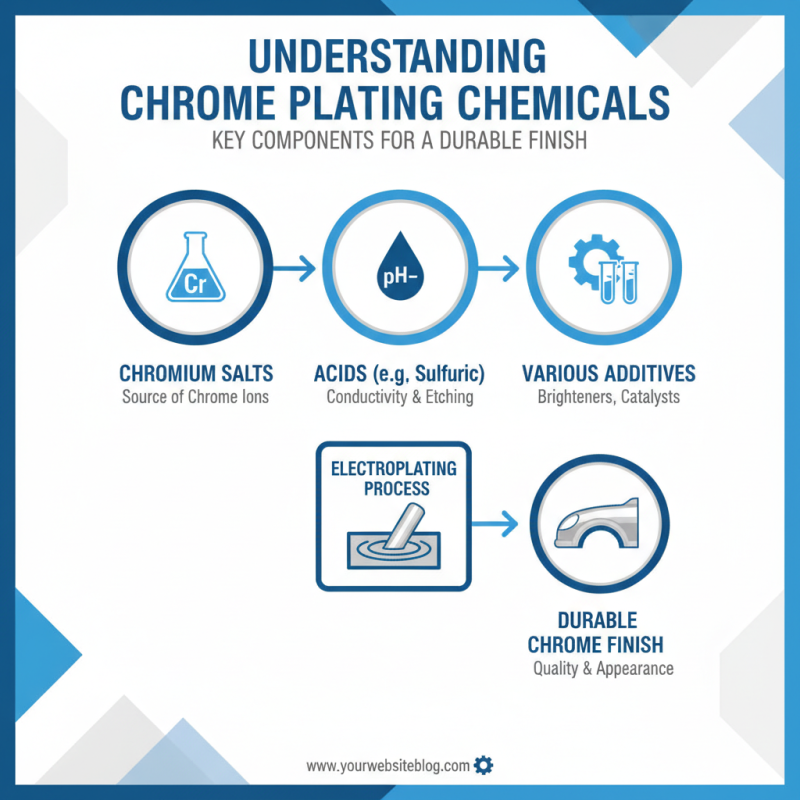
Chrome plating is a process requiring specific chemicals to achieve a durable finish. Understanding these chemicals is crucial for successful application. The primary chemicals involved include chromium salts, acids, and various additives. Each plays a role in the electroplating process, impacting the quality and appearance of the final product.

Tip: Always use the proper concentration of [chromium sulfate or chromic acid]. Overconcentration can lead to defects. This is critical for ensuring a smooth surface. According to industry reports, improper chemical handling can result in up to 15% scrap rates due to flaws.

Managing temperature and pH is essential. Ideal pH levels for chrome baths are typically between 1.5 and 2.5. Consistent monitoring is vital for stability. A study indicated that fluctuations can diminish adhesion, leading to premature wear.

Tip: Utilize a zoned heating system to maintain consistent temperatures. This prevents localized overheating, which can warp parts and degrade coating quality. A well-maintained bath can greatly enhance the life of your plating system, but neglect can lead to costly rework.
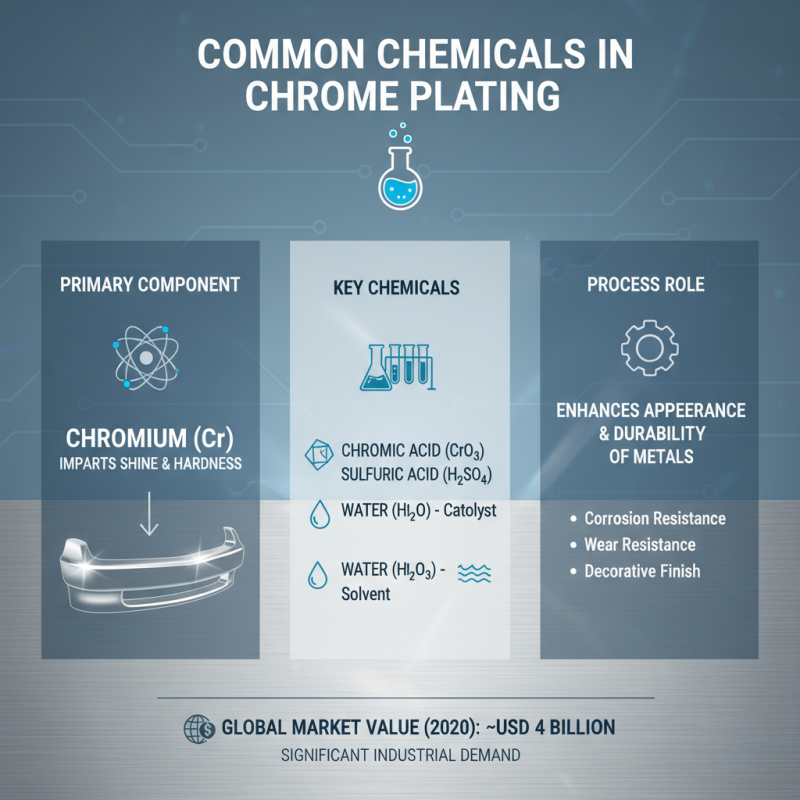
Common Chemicals Used in Chrome Plating Processes

10 Essential Tips for Chemicals Used in Chrome Plating?

Chrome plating is a process widely used for enhancing the appearance and durability of various metal surfaces. Several key chemicals play a critical role in this process. The primary component is chromium, which imparts a unique shine and hardness. In 2020, the global chrome plating market was valued at approximately USD 4 billion, reflecting its significant industrial demand.

Other essential chemicals include sulfuric acid and hydrochloric acid. These acids are used for surface preparation. They clean and etch the metal surfaces, ensuring better adhesion. Many shops use a three-step process: cleaning, plating, and finishing. This method has evolved over the years, but the reliance on these chemicals remains.

Environmental implications cannot be ignored. Proper disposal of waste chemicals is essential. Many facilities struggle to meet environmental regulations. This creates pressure for innovation in using less harmful substances. Research shows that 70% of shops encounter challenges with chemical management. Finding sustainable alternatives is crucial for the industry's future.

Safety Precautions When Handling Chrome Plating Chemicals

When working with chrome plating chemicals, safety precautions are crucial. These compounds often contain hazardous substances, like trivalent and hexavalent chromium. The latter is known for its carcinogenic properties. According to a 2021 report from the National Institute for Occupational Safety and Health, exposure to hexavalent chromium can lead to severe health issues, including lung cancer and respiratory problems.

Proper personal protective equipment (PPE) is essential. This includes gloves, goggles, and respirators. Ensure that your workspace is well-ventilated. Effective ventilation helps reduce exposure risks. A study indicated that only 40% of companies in the chrome plating sector consistently provide adequate protective gear for their workers. This oversight raises concerns about long-term health implications in the industry.

It's also important to understand chemical storage requirements. Improper storage can lead to accidental spills or leaks. Implement clear labeling and maintain an inventory log for all chemicals. Data from the Environmental Protection Agency shows that over 30% of chemical accidents occur due to inadequate safety measures. Regular employee training on emergency response plans can significantly reduce these incidents. Prioritizing safety is not just a regulatory requirement; it is an ethical duty.

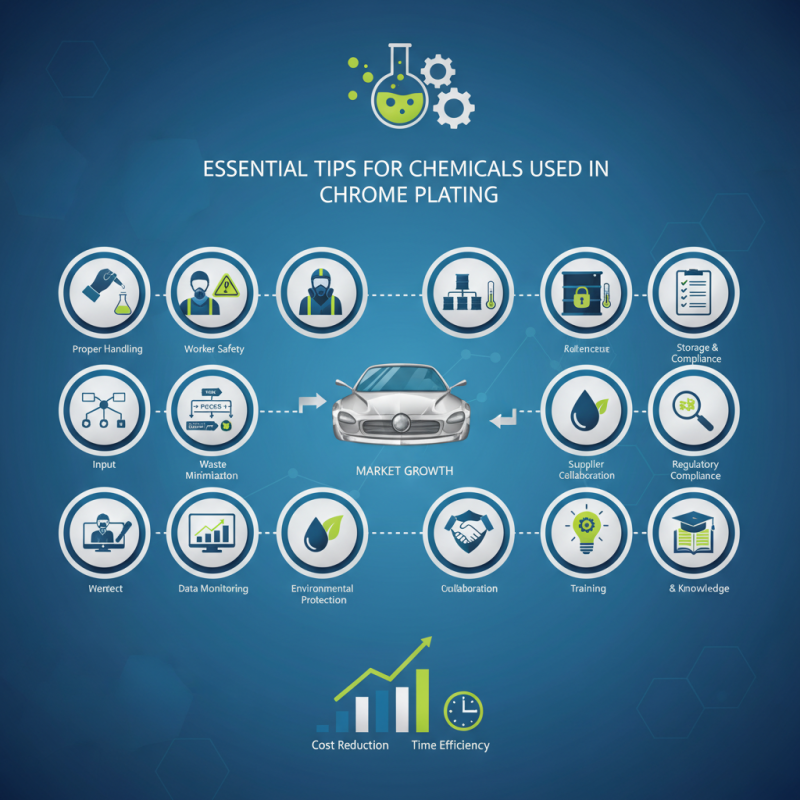
10 Essential Tips for Chemicals Used in Chrome Plating

Tip Number Tip Safety Precaution
1 Always wear appropriate personal protective equipment (PPE). Use gloves, goggles, and respirators.
2 Use chemicals in a well-ventilated area. Ensure proper air circulation to avoid inhalation.
3 Always read the Safety Data Sheets (SDS). Understand the hazards associated with each chemical.
4 Store chemicals properly. Keep away from incompatible substances and in original containers.
5 Dispose of chemicals responsibly. Follow local regulations for hazardous waste disposal.
6 Use fume hoods when necessary. Prevent exposure to harmful vapors.
7 Keep a first aid kit readily available. Be prepared for chemical-related injuries.
8 Avoid skin contact with chemicals. Wash hands immediately after handling.
9 Ensure proper training for all personnel. Train employees on safe handling procedures.
10 Regularly inspect chemical storage areas. Check for leaks or deterioration of containers.

Environmental Considerations for Chrome Plating Chemicals

When discussing chrome plating chemicals, environmental impact is a crucial consideration. Chrome plating is a widely used process. However, the chemicals involved can be harmful to ecosystems. For instance, chromium compounds may leach into soil and water systems. This contamination poses long-term risks to plants and aquatic life.

Proper handling and disposal of these chemicals are essential. Many businesses still lack adequate systems for managing waste. It is vital to implement effective waste reduction strategies in chrome plating facilities. Regular audits of chemical use can identify areas for improvement. Training employees on best safety practices also enhances accountability.

Adopting greener alternatives is a growing trend in the industry. Some companies are exploring non-toxic substitutes for traditional chrome plating chemicals. These emerging materials show promise in reducing toxic waste. However, transitioning to these options requires careful evaluation. It is important to balance performance with environmental safety. Manufacturers must reflect on their processes to minimize negative impacts.

Best Practices for Storing and Disposing of Chrome Plating Solutions

When working with chrome plating solutions, proper storage and disposal are crucial. Store chemicals in clearly labeled, airtight containers. This minimizes risks of contamination and ensures safety. Keep solutions in a cool, dry place to avoid unwanted reactions. Monitoring storage conditions prevents degradation and performance issues of the plating solution.

Disposal of chrome plating solutions requires careful consideration. Never pour chemicals down the drain. This can harm the environment and violate regulations. Use designated waste disposal companies specializing in hazardous materials. They ensure that waste is treated and disposed of safely. It's vital to create a comprehensive disposal plan. Regularly review and update it to reflect changes in regulations or practices. Missteps in this area can lead to significant issues. Reflect on past experiences and adapt your methods accordingly.

10 Essential Tips for Chemicals Used in Chrome Plating