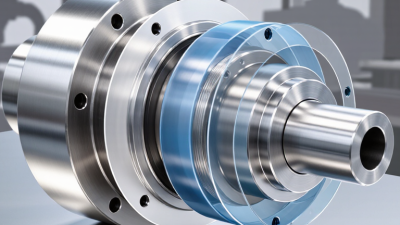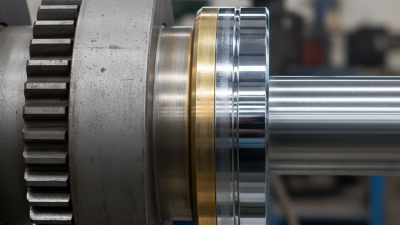
Industrial components rarely fail in dramatic ways. A shaft may wear gradually, a valve stem may lose its fit, or a machine surface may become rough after repeated contact. Hard nickel plating can help address these problems by adding a durable nickel layer to selected surfaces. Its hardness and wear resistance make it relevant to tooling, engineering parts, and equipment exposed to friction or demanding service.
The coating is not a universal fix. Performance depends on the substrate, deposit thickness, surface preparation, and operating conditions. A poorly prepared part can still underperform, even when the plating process is carefully controlled. Details count. Engineers should compare hardness, corrosion exposure, dimensional tolerances, and repair needs before choosing a finish. They should also confirm that the chosen process suits the part’s geometry and intended use.
In practical settings, inspection matters as much as material selection. Plating thickness may affect clearances, while uneven coverage can create problems around edges or recessed features. Experienced suppliers can explain process controls and provide measurements or test results relevant to a specification. Still, no coating removes every maintenance risk. That is worth remembering. This guide explores why industrial teams choose hard nickel plating, where it can offer value, and which questions help determine whether it fits a particular application. A careful decision starts with the component’s real conditions—not just a hardness figure on a datasheet.
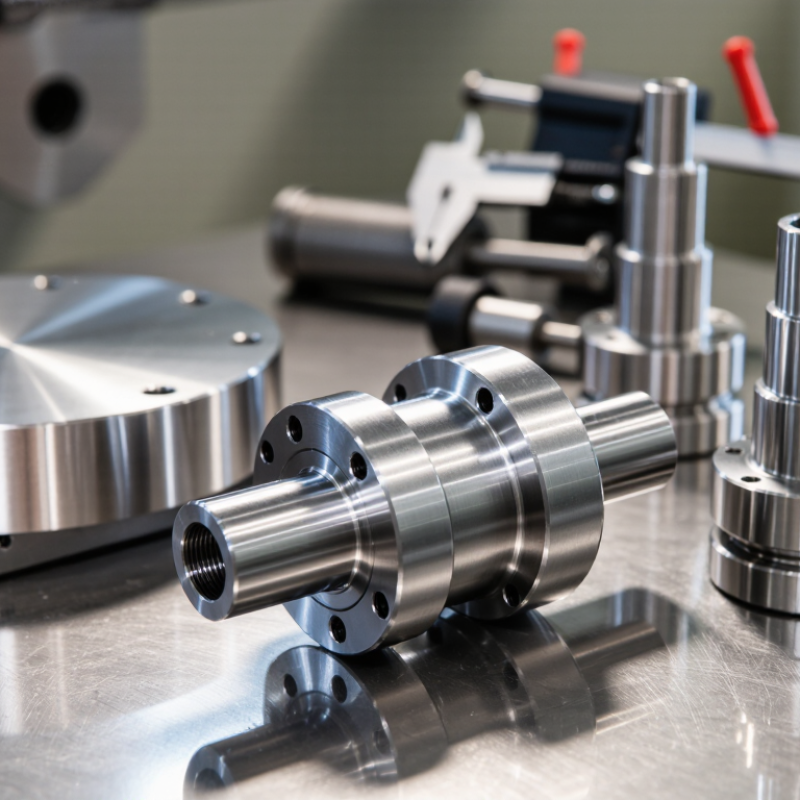
Hard nickel plating is an electrodeposited nickel layer selected or processed for greater hardness and wear resistance than many conventional nickel deposits. An electric current moves nickel ions onto a conductive part, such as a steel shaft or valve stem. The coating can be built to a specified thickness and finished for close-fitting surfaces. “Hard nickel” is not one universal recipe; bath chemistry, additives, current density, and heat treatment can change its properties.
That distinction matters when comparing coatings. Electroless nickel deposits without external current, so it can cover recessed passages more evenly. Its hardness depends strongly on phosphorus content and any later heat treatment.
Hard chrome is a separate coating with very high surface hardness, but its deposition behavior and performance differ. Hard nickel may offer useful wear resistance and barrier protection, yet results depend on substrate preparation, thickness, and service conditions. A missed detail can undo the benefit.
Tips: Ask for hardness and thickness values measured on the actual part, not only typical process data. Inspect edges and bores; current-driven deposits may build unevenly there. Match testing to the real lubricant, load, and temperature. A small qualification run is often worthwhile.
Hard nickel plating starts with surface preparation, not the plating tank.
Oil, oxide, and polishing residue can weaken adhesion, so parts are degreased, rinsed, and activated in an acidic bath. Recesses and sharp edges need attention. Small details matter. The workpiece then becomes the cathode in an aqueous nickel electrolyte. Direct current drives nickel ions onto its surface, building a metallic layer. Operators control current density, bath temperature, pH, and agitation; drift in any of these can cause uneven thickness or rough deposits.
The coating’s thickness and hardness depend on the bath chemistry and operating conditions.
ISO 4526:2004, a specification for engineering nickel coatings, includes minimum thickness classes beginning at 5 μm. That is a useful reference, not a universal target: wear, corrosion, dimensions, and post-machining needs determine the required build.
After plating, technicians rinse and inspect the part, checking coating thickness, adhesion, and surface defects. Hardness testing may also be appropriate, though the chosen test must suit the coating thickness and substrate.
The Nickel Institute’s Nickel Plating Handbook describes how bath composition and process control affect deposit properties.
Real parts are not always predictable. A recess can plate slowly, and a test coupon may not mirror the component perfectly. That deserves a second look.
Hard nickel plating supports industrial performance by creating a durable surface on components exposed to friction, handling, and repeated service. On a pump shaft or forming tool, added hardness can slow abrasive wear and help preserve working dimensions. That matters. Less surface loss may reduce adjustment needs between maintenance intervals, although actual results depend on load, lubrication, and operating conditions.
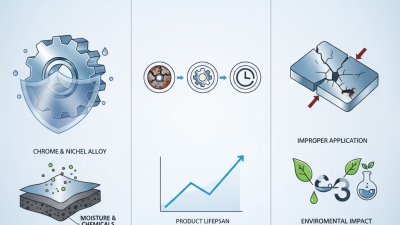
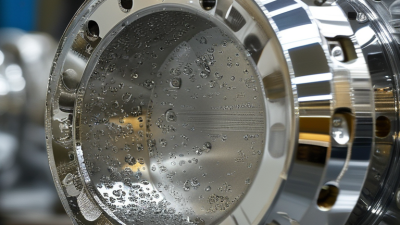
A sound coating starts with careful surface preparation. Oil or oxide left on steel can cause poor adhesion, peeling, or patchy coverage. Electroplated nickel thickness can be controlled to suit a part, but sharp edges and deep recesses may plate unevenly. They need attention. A continuous deposit can act as a barrier against corrosion, yet protection depends on coating quality and the environment. Salt, chemicals, and trapped moisture still matter.
For practical evaluation, inspect thickness, adhesion, and surface condition alongside hardness. A hardness figure is useful, but it cannot reproduce every real contact pattern. One limitation is easy to overlook: a coating may resist wear in a test and still perform differently under vibration or poor lubrication. Build those service details into the specification.
| Property or Consideration | Typical Characteristics | Industrial Performance Benefit | Important Qualification |
|---|---|---|---|
| Surface hardness | Hard nickel deposits can reach approximately 400–600 HV, depending on the plating chemistry and process. | Supports resistance to indentation, abrasion, and surface wear in components exposed to repeated contact. | Hardness varies by deposit type, bath conditions, and measurement method; confirm the required value with the plating specification. |
| Wear resistance | A hard, well-adhered nickel layer can provide a durable working surface. | Can help extend service life for parts subject to sliding contact or handling wear. | Performance depends on counterface material, lubrication, load, temperature, and coating thickness. It is not a substitute for application-specific wear testing. |
| Corrosion protection | Nickel acts as a barrier between the substrate and the service environment. | Can reduce substrate exposure to moisture and corrosive agents when the deposit is continuous and suitable for the environment. | Protection depends on deposit porosity, thickness, substrate preparation, and the specific chemicals or conditions involved. |
| Thickness control | Electroplated nickel thickness is specified for the component and its service requirements; local thickness can vary with geometry and current distribution. | Allows a coating build to be selected for protection, wear allowance, or dimensional restoration. | Specify measurement locations and tolerances, especially for recesses, edges, and close-fitting parts. |
| Adhesion and surface preparation | Reliable adhesion requires suitable cleaning, activation, and preparation of the base material. | A securely bonded coating is less likely to blister, peel, or detach during service. | Contamination, oxide layers, or an incompatible substrate process can compromise adhesion. |
| Dimensional restoration | Electroplating can add metal to undersized or worn surfaces, followed by finishing when required. | May help restore component dimensions without replacing the entire part. | Check remaining fatigue strength, coating stress, final machining allowance, and dimensional tolerances before specifying repair. |
| Process and quality control | Deposit properties are influenced by bath composition, temperature, current density, and process control. | Documented process controls and inspection help deliver consistent coating performance across production runs. | Define acceptance criteria such as thickness, hardness, appearance, adhesion, and any application-specific tests. |
Note: Values and performance characteristics are representative, process-dependent guidance—not a universal specification. Select coating requirements based on the substrate, component geometry, operating environment, and applicable engineering standards.
Hard nickel plating is suited to components that face repeated friction, moderate corrosion, or both. Examples include pump shafts, valve parts, hydraulic rods, and machine guides. These parts often move against seals or carry sliding loads, so a hard, well-bonded nickel layer can help limit wear and reduce maintenance interruptions. The coating is not a cure-all. Its performance depends on deposit thickness, surface preparation, operating temperature, and the specific chemicals present.
The NACE IMPACT study, a widely cited 2016 corrosion-cost assessment, estimated global corrosion costs at US$2.5 trillion annually, or about 3.4% of global GDP. It also estimated that effective corrosion-management practices could save 15–35% of those costs.
That figure supports careful prevention, not the claim that nickel plating alone delivers those savings. For wet, abrasive service, engineers should check coating hardness, adhesion, thickness, and compatibility with the process fluid. A coating that performs well in a pump may fail on a hot, chemically aggressive component. Fit matters.
Tips: Match the coating to the actual wear pattern and fluid chemistry. Ask for test data from a representative part, then inspect edges and recessed areas, where coverage can be less predictable. A trial run is useful. It may reveal problems the drawing missed.
Choosing hard nickel plating starts with the failure mode, not a hardness number. Is the part losing material through sliding contact, abrasive particles, or repeated handling? Those conditions call for different deposit thicknesses and surface finishes. Fit matters. Review the mating component, lubricant, temperature, and expected service hours before setting requirements.
Base metal condition is equally important. Oil, oxides, sharp edges, and deep recesses can affect adhesion or produce uneven coverage. Check dimensional allowance carefully: plating changes diameters, clearances, and sometimes assembly force. A drawing may look simple. The real part may not be. Ask for process capability evidence on representative geometry, then inspect thickness and adhesion using agreed methods.
Also compare hardness with toughness and residual stress. A very hard deposit is not automatically the best choice if impact, flexing, or thermal cycling causes cracking. Corrosion resistance depends on coating continuity, pores, substrate, and the actual environment; salt spray alone may not predict field life. Run a trial on a production-like part, measure wear, and revise the specification if results differ from expectations.