How to DIY Chrome Plating Safely at Home?

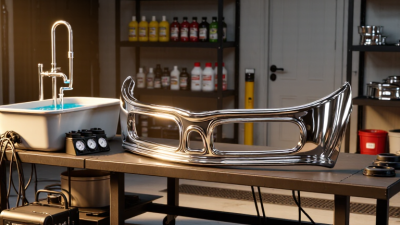
DIY chrome plating looks appealing because it can revive a scratched trim piece, motorcycle bracket, or small decorative fitting. The finished surface promises a bright, mirror-like reflection. However, that shine can hide serious chemical, electrical, and waste-management risks. A safer discussion must separate decorative appearance from industrial chrome-plating practice.

The U.S. Occupational Safety and Health Administration sets an eight-hour permissible exposure limit for hexavalent chromium at 5 micrograms per cubic meter. Its Hexavalent Chromium standard also requires exposure assessment, protective controls, medical surveillance, and worker training. NIOSH identifies hexavalent chromium compounds as potential occupational carcinogens in its Pocket Guide to Chemical Hazards. These figures are not minor workshop details. A garage door does not provide industrial ventilation. Neither does a paper mask.

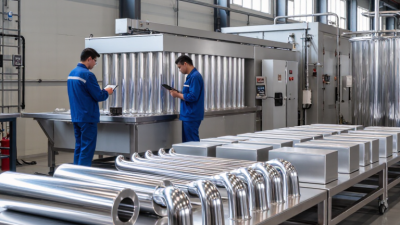
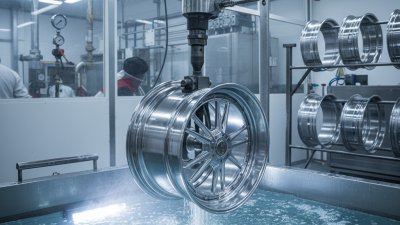
The U.S. Environmental Protection Agency regulates chromium electroplating and anodizing operations under National Emission Standards for Hazardous Air Pollutants, including 40 CFR Part 63, Subpart N. The same principle applies to wastewater, contaminated gloves, used baths, and rinse water. They require controlled handling, not household disposal. This article introduces diy chrome plating through a safety-first lens, focusing on risk recognition, approved equipment, ventilation, personal protection, and professional alternatives. It will not pretend that a home setup becomes safe through confidence alone. That assumption deserves more scrutiny. In practice, a small spill beside a kitchen sink can create a larger problem than a dull metal part. Professional replating services may cost more, but their records, controls, and waste systems provide a reliability that most home workshops cannot match.
How to DIY Chrome Plating Safely at Home?

Assess Chrome Plating Risks, Regulations, and Safer Alternatives

How to DIY Chrome Plating Safely at Home?

DIY chrome plating looks simple in videos, but the chemistry can be dangerously complex. Some processes use hexavalent chromium, a recognized carcinogenic substance. Acid baths may cause severe burns, while electrical equipment can create shock and fire hazards. Fine mist can settle on benches, tools, clothing, and skin.

Ventilation alone is not enough. A safe facility needs controlled airflow, chemical-resistant equipment, exposure monitoring, emergency washing facilities, and trained waste handling. Local rules may also regulate chemical storage, worker exposure, wastewater discharge, and hazardous waste disposal. Requirements differ by location. Check official environmental and workplace authorities before buying any chemicals. A qualified industrial hygienist can identify risks that a home inspection may miss.

A safer choice is professional plating. Certified facilities can use approved processes, capture emissions, and treat wastewater correctly. Decorative alternatives include chrome-look coatings, polished metal finishes, vacuum-applied films, or ready-finished replacement parts. These options may not match real electroplated chrome perfectly. That matters.

A practical self-check helps. Do you have a sealed work area? Can you prove where contaminated rinse water will go? Can you respond to a spill without spreading it through the house? If the answer is uncertain, stop. I would not improvise with kitchen containers, household ventilation, or unknown chemical mixtures. Even a small project can leave invisible contamination behind.

Gather Equipment, Protective Gear, and a Controlled Workspace

How to DIY Chrome Plating Safely at Home?

Chrome plating demands more than a power supply and a shiny metal part. It can involve corrosive solutions, toxic fumes, electrical current, and contaminated rinse water. Check local regulations before buying anything. Some processes are unsuitable for residential spaces.

Choose a dedicated workspace away from kitchens, bedrooms, children, pets, and rainwater drains. A sealed, chemical-resistant bench should hold the parts, rinse containers, and waste tray. Install professional fume extraction that vents safely outdoors, not toward neighbors or open windows. Keep a fire extinguisher, spill-control materials, and a clearly marked emergency wash station nearby. Never use food containers.

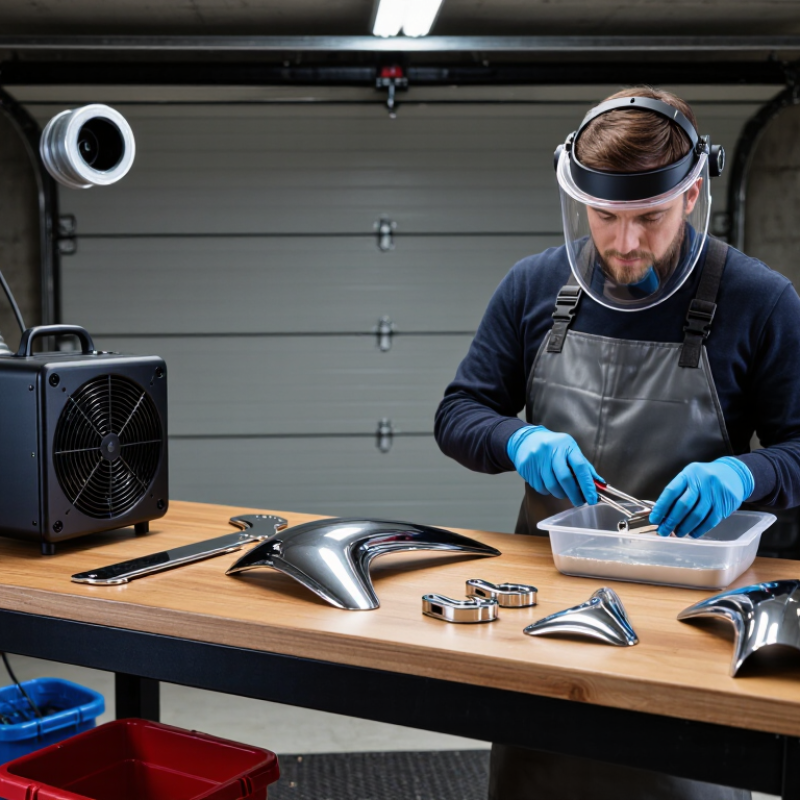
Wear chemical-resistant gloves, sealed goggles, a face shield, protective clothing, and suitable footwear. Ordinary fabric gloves are not enough. Inspect every item before use. Small tears matter. Use only compatible containers and clearly labeled materials. Keep chemicals separated, and never mix unknown solutions.

Electricity needs equal attention. Use protected outlets, dry connections, insulated leads, and a current-limited power source designed for plating work. Keep cables above wet surfaces. Disconnect power before touching the bath or workpiece. Do not work alone.

A filtered mask is not a substitute for ventilation. That mistake is easy to make. If you cannot control fumes, spills, and waste legally, use a qualified plating service instead.

My own safety checklist would include a second person reviewing the setup, because rushed preparation creates risks that equipment alone cannot correct.

Prepare, Clean, and Inspect the Metal Surface

Before any plating, identify the base metal and inspect its condition under bright, angled light. Chrome will not hide scratches, pits, rust, or fingerprints. Wear chemical-resistant gloves, splash goggles, and protective clothing. Work outdoors or in a dedicated, well-ventilated area. Keep food, children, and ignition sources away. Read the solution’s safety sheet, even if the container seems familiar.

Remove oil with a suitable metal degreaser, then rinse with clean water. Use a nylon brush for threads and corners. Avoid touching cleaned metal with bare hands. A final wipe with lint-free material can remove loose dust, but excessive wiping may add fibers. Lightly abrade compatible surfaces with fresh abrasive media, following the metal supplier’s guidance. Do not assume every alloy accepts the same preparation. That shortcut often causes peeling.

Inspect the surface again using a bright lamp and, if available, low magnification. Look for dull patches, embedded grit, water spots, and exposed corrosion. A continuous water film usually indicates good cleanliness; separate droplets suggest remaining contamination. Rinse carefully and let the part dry without airborne dust. I sometimes rush this inspection, and that is where defects begin. If the surface remains questionable, stop and prepare it again rather than plating over the problem. Collect rinse water and spent materials as hazardous waste according to local rules.

Apply the Plating Layers Using a Safer Home Method

How to DIY Chrome Plating Safely at Home?

A safer home method uses a layered chrome-effect coating, not an open chromium bath. True electroplating can release hazardous mist and contaminated wastewater. OSHA sets the eight-hour workplace limit for hexavalent chromium at 5 micrograms per cubic meter. NIOSH recommends a much lower exposure limit of 0.2 micrograms per cubic meter. These figures are not suitable targets for a bedroom workshop.

Start with a clean metal part, nitrile gloves, eye protection, and strong local ventilation. Remove grease completely, then sand lightly until the surface feels uniformly dull. Apply a compatible adhesion primer in thin coats. Allow proper drying time. Add a smooth black base coat, because it improves the reflective appearance. Apply the chrome-effect layer with light, even passes. Heavy spraying creates cloudy patches and weak edges. It looks simple. It is not.

Finish with a clear protective coat after the metallic layer has cured. Read every Safety Data Sheet before combining products. Never mix acids, solvents, or unknown liquids. Keep a spill tray beneath the workpiece, and collect all used wipes and residues as hazardous waste according to local rules. Do not pour them into a sink. For genuine chromium plating, use a licensed facility or a sealed, professionally engineered system. My first instinct would be to chase a brighter finish, but safer application matters more than mirror-like perfection.

Rinse, Finish, Test, and Dispose of Waste Responsibly

How to DIY Chrome Plating Safely at Home?

True chrome plating is not a casual home project. It can involve corrosive chemicals and toxic chromium compounds. A safer approach is preparing the part at home, then using a qualified plating professional. Clean the metal with a suitable degreaser and wear chemical-resistant gloves, eye protection, and protective clothing. Keep children, pets, food, and sparks away from the work area.

Rinse every prepared surface with clean water over a plastic collection tray. Do not let rinse water enter soil, sinks, or storm drains. Use several small rinses instead of one large wash. Check the surface under bright light. It should look even, dry, and free from oily marks. Small defects can become obvious after finishing. I once underestimated a tiny scratch; it became the most visible flaw. That was a useful lesson.

After finishing, test adhesion only when the coating has fully cured. A light tape test on a hidden area may reveal peeling, but it cannot replace professional inspection. Stop if the surface blisters, cracks, or changes color. Seal contaminated wipes, gloves, sludge, and rinse water in labeled, closed containers. Contact your local hazardous-waste authority for approved disposal instructions. Never pour plating waste down a drain. Requirements vary by location, and guessing is not responsible.

How to DIY Chrome Plating Safely at Home? — Rinse, Finish, Test, and Dispose of Waste Responsibly

Measure rinse water and process waste before disposal. Under the U.S. EPA hazardous-waste definition, aqueous waste with a pH of 2.0 or lower or 12.5 or higher is considered corrosive. A neutral pH of 7.0 is shown only as a reference point; it does not prove that chromium-containing waste is safe.

Chromium-plating waste may contain regulated chromium compounds, including hexavalent chromium. Do not pour plating solutions or rinse water into drains, soil, or surface water. Keep waste labeled and closed, obtain appropriate laboratory testing, and use the hazardous-waste collection route required by local regulations. For workplace exposure, OSHA's permissible exposure limit for hexavalent chromium is 0.005 mg/m³ as an 8-hour time-weighted average, with an action level of 0.0025 mg/m³.

References: 40 CFR Part 261 and OSHA Hexavalent Chromium Standard.