5 Best Answers to What Is Chrome Plating?

Chrome plating can turn a dull steel part into a bright, mirror-like surface—or add a hard, wear-resistant layer to a working component. But the term covers different processes and purposes. To define chrome plating accurately, it helps to distinguish decorative chromium coatings from hard chrome deposits used on parts such as hydraulic rods and industrial rollers.

The U.S. Geological Survey’s Mineral Commodity Summaries 2024 reports estimated global chromite mine production of about 41 million metric tons in 2023. That figure describes an important raw-material supply, not the amount of chromium used for plating. The U.S. Environmental Protection Agency’s technical materials on chromium electroplating separately describe decorative and hard chrome operations, underscoring that “chrome plating” is not one uniform finish. These distinctions matter when comparing coating thickness, appearance, performance, and maintenance needs.

Small details matter. A polished faucet trim and a hydraulic shaft may both look chrome-plated, yet their coatings serve different functions. A reliable answer should explain how the coating is applied, what the finished layer does, and what limitations remain. Appearance alone can be misleading; the exact process and base material affect results. This guide offers five clear answers to “What is chrome plating?” It also notes where common explanations oversimplify a technical process, because a little uncertainty is more useful than false confidence.

5 Best Answers to What Is Chrome Plating?

What Chrome Plating Is and How It Differs from Chrome-Like Finishes

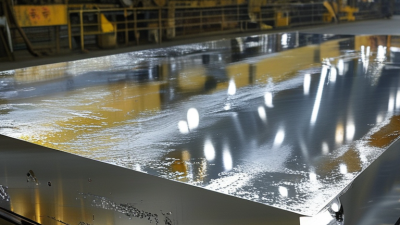
Chrome plating is an electrochemical coating process: electrical current deposits chromium onto a prepared metal surface. Decorative plating usually places a very thin chromium layer over nickel, sometimes with copper beneath it. Hard chrome uses a thicker deposit for wear resistance and dimensional repair. Same metal, different job.

A chrome-like finish may come from paint, vacuum-deposited films, or polished plastic. It can mimic a mirror shine, but its layer structure, repair options, and wear behavior differ from electroplated chromium. ASTM B456, the specification for electrodeposited copper-nickel-chromium coatings, separates coatings by service conditions rather than appearance alone. That distinction matters. The U.S. Environmental Protection Agency’s chromium electroplating air-toxics rule projected roughly 99% reductions in chromium emissions at regulated sources using required controls; this concerns process emissions, not a guarantee of finished-part performance. A shiny sample proves little about coating thickness or adhesion.

Tips: Ask what material sits beneath the finish, how the coating is applied, and what wear testing supports the claim. Check edges and corners, where thin or uneven coverage can show first. A mirror look can fool the eye. Even experienced buyers can miss the difference without a process record.

How the Chrome Plating Process Works

Chrome plating deposits a chromium layer onto a prepared metal part through electrolysis. The part is degreased, cleaned, and activated; a fingerprint can interfere with adhesion. It is then connected to a power supply and immersed in a chromium-bearing bath. Direct current drives chromium ions onto the surface, building the coating. Rinsing and drying follow. Decorative plating often uses nickel beneath a thin chromium finish; hard chrome is applied for wear resistance and dimensional repair. Those uses require different thickness targets and checks.

Temperature, bath chemistry, current density, and part geometry affect the result. NIOSH’s Criteria for a Recommended Standard: Occupational Exposure to Hexavalent Chromium recommends an airborne exposure limit of 0.2 µg/m³ as a 10-hour time-weighted average. For plating shops, that benchmark underscores the need for exposure monitoring and effective ventilation. At the part level, technicians check coating thickness and adhesion, not just brightness. A glossy surface can hide thin spots in recesses or uneven buildup near edges. It is easy to overtrust shine. Small details matter.

Tips: Confirm the coating type and drawing thickness before work starts. Ask for the inspection method and results. Check corners, holes, and mating surfaces; plating can change fit.

5 Best Answers to What Is Chrome Plating? - How the Chrome Plating Process Works

# Question Answer How It Works Useful Fact
1 What is chrome plating? Chrome plating is an electroplating process that deposits a layer of chromium onto a prepared surface. The workpiece is connected as the cathode in an electrolyte bath. Direct current drives chromium deposition onto its surface. The chromium layer is usually applied for appearance, wear resistance, corrosion protection, or a combination of these purposes.
2 What are the main types? Decorative chrome is a thin finish commonly applied over a nickel layer. Hard chrome is a thicker chromium deposit used mainly for functional performance. Decorative plating often uses a copper and/or nickel underlayer before chromium is deposited. Hard chrome is deposited to a specified thickness on the component. Hard chrome thickness varies with the part and its service requirements; it can range from several micrometres to hundreds of micrometres.
3 What are the process steps? The process generally includes surface preparation, plating, rinsing, and inspection. Additional underlayers or finishing steps depend on the part and coating specification. Parts are cleaned to remove oil and dirt, activated to prepare the surface, and plated in the selected bath. They are then rinsed and checked for coverage, thickness, and finish. Good cleaning and surface preparation are essential: contamination or defects in the base surface can affect coating adhesion and appearance.
4 What benefits and limitations should be considered? Chrome coatings can provide a bright appearance or improve surface hardness and wear performance. The result depends on the coating type, thickness, and substrate preparation. Decorative systems typically rely on the underlayers as part of the overall corrosion-protection system. Hard chrome is selected for specified functional needs and may require post-plating grinding to meet dimensions. Plating does not automatically fix a damaged or poorly prepared component. Coating thickness can also change dimensions and must be considered in tolerances.
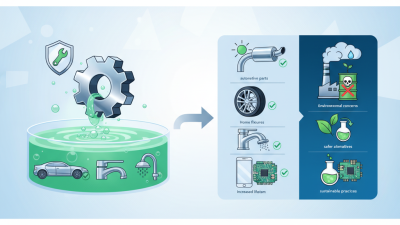
5 Where is chrome plating used, and what about safety? Applications include decorative metal parts and industrial components such as shafts, hydraulic parts, and wear surfaces. Plating facilities must control chemical and worker exposure risks. Different bath chemistries are used, including hexavalent- and trivalent-chromium processes. The chemistry, operating controls, and applicable regulations depend on the process and location. Chromium plating involves regulated chemicals and waste streams. Appropriate ventilation, protective measures, and wastewater treatment are important parts of industrial operations.

The Main Types of Chrome Plating

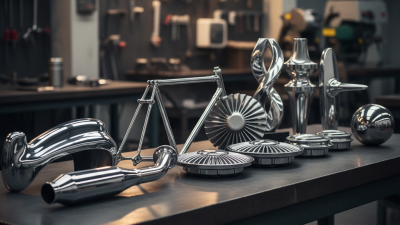
Chrome plating describes a family of finishes, not one identical coating. Decorative chrome is usually a thin chromium layer over nickel, sometimes with copper beneath it. The nickel helps provide corrosion resistance and a smooth, reflective base; chromium adds brightness and surface durability. It is common on visible parts such as trim, handles, and fixtures. That distinction matters. A bright surface alone does not reveal the coating’s thickness or construction.

Hard chrome, also called industrial chrome, is applied in a thicker layer for wear resistance, reduced friction, or dimensional repair. It appears on components such as hydraulic rods and machine parts, where function matters more than a mirror shine.

Black chrome creates a dark, muted appearance and may be selected for visual or specialized surface requirements. Trivalent chrome refers to a plating chemistry, rather than a separate coating purpose; it can be used in decorative applications. The terms can overlap, so specifications should identify the intended performance and finish.

Tips: Check the part’s material, expected wear, and exposure to moisture before choosing a type. Ask for coating thickness and preparation details, not just a color sample. Edges and recesses can plate unevenly, and that detail is easy to overlook. A qualified plater can confirm whether the finish suits the part.

Common Uses of Chrome-Plated Surfaces

Chrome-plated surfaces are common where appearance and wear resistance matter. Decorative chrome appears on vehicle trim, wheels, taps, shower fittings, and furniture hardware. A thin chromium layer gives these parts a bright, reflective finish over an underlying metal or coating. Small parts matter.

Automotive use is easy to picture: sunlight catches a plated grille, while road grit gradually dulls exposed edges. OICA reported 93,546,599 motor vehicles produced worldwide in 2023, showing the scale of the vehicle sector—not the amount of chrome plating used. That distinction matters. Not every bright vehicle detail is chrome-plated; some parts use other finishes.

Hard chrome serves a different purpose. It is applied to components such as hydraulic rods, industrial rollers, and machine parts that face friction or repeated movement. The U.S. Geological Survey’s 2024 Mineral Commodity Summaries reports that about 90% of chromium consumption goes to stainless steel and other alloys. That figure is not a plating statistic, but it puts chrome plating in context: it is one specialized use of chromium. A polished surface can look reassuring, though appearance alone says little about coating thickness, adhesion, or service life.

Benefits, Limitations, and Care of Chrome Plating

5 Best Answers to What Is Chrome Plating?

Chrome plating deposits a thin chromium layer onto a component, often over nickel or copper. Decorative chrome gives taps, trim, and tools a bright, reflective surface. Hard chrome is used on some industrial parts to improve wear resistance. The result depends on the coating system and the base material. A mirror finish looks tough, but it is not scratch-proof.

Benefits, Limitations, and Care of Chrome Plating

Chrome can resist tarnish and everyday wear, yet chips or deep scratches may expose the layers underneath. Corrosion resistance also depends on coating quality, part design, and maintenance. Plating has workplace hazards: OSHA’s Chromium (VI) standard sets an airborne exposure limit of 5 micrograms per cubic meter, averaged over eight hours. This figure concerns worker exposure during production, not the safety of a finished plated item. For owners, the practical takeaway is simple: inspect damaged areas and avoid assuming every coating lasts equally well.

Tips: Wash with mild soap and water, then dry with a soft microfiber cloth. Skip steel wool, abrasive powders, and harsh cleaners; they can dull the finish. If a spot remains, test a gentle cleaner on a hidden area first. Small scratches can be stubborn, and polishing too aggressively may make them worse.