What Are the Top Types of Compound Wall Lights in 2026?
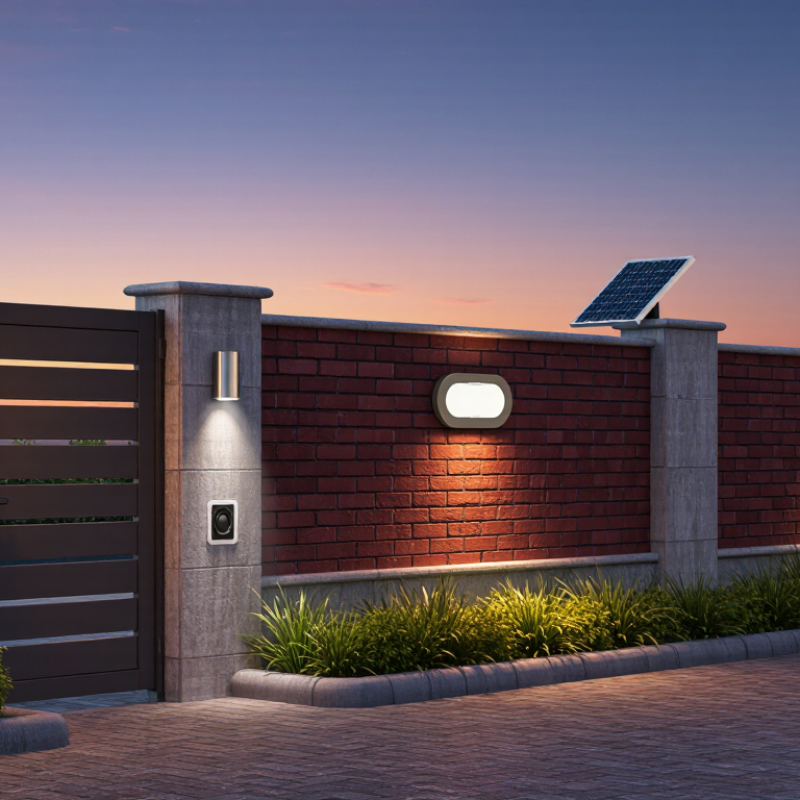
Compound Wall Lights can make a boundary wall safer to navigate and more welcoming after dark. In 2026, common choices include traditional lanterns, slim up-and-down lights, compact bulkhead fixtures, solar-powered models, and designs with motion sensors or integrated LEDs. Each type creates a different effect. A lantern may suit a stone entrance, while a narrow beam can highlight textured brick without lighting the entire yard. Small details matter.
The right fixture depends on the wall, wiring, climate, and intended use. Check the manufacturer’s outdoor-use rating, mounting requirements, light output, and finish before choosing a style. Warm light can feel inviting near an entry, while carefully aimed, brighter light may help illuminate steps or a gate. Yet brighter is not always better; glare can make a path less comfortable, and solar performance may vary with shade and seasonal daylight. Not always simple. This guide compares the leading Compound Wall Lights types, explaining where each works well and what trade-offs to consider. It also looks at practical features, from sensor settings to maintenance, so readers can match appearance with everyday needs. A fixture can look perfect in a product photo and still feel too harsh on a real wall. That is worth checking before installation.
Understanding Compound Wall Lights and Their Main Functions
Compound wall lights are wall-mounted fixtures that combine more than one lighting effect or function. A common design sends light both upward and downward, creating a clear pattern on a wall while helping illuminate nearby paths. Other models pair a broad, gentle glow with a narrower reading or accent beam. The exact effect depends on the fixture’s shape, light direction, and mounting height.
Their main functions are practical: improving orientation, adding ambient light, and highlighting features such as a doorway or textured surface. In a hallway, a diffused beam can reduce dark patches without shining directly into someone’s eyes. Beside an entrance, a downward beam can make steps easier to see. It is not a replacement for every outdoor safety light, though. Check the fixture’s weather rating and installation instructions before using it outside.
Think about the wall and the people using the space, not just the fixture’s appearance. A strong up-and-down pattern may look striking on a smooth wall, but feel harsh in a narrow corridor. Small detail. Big effect. Light color, glare, and spacing matter too. There is no single best arrangement; even a well-chosen fixture can disappoint when mounted too high or placed beside reflective glass.
What Are the Top Types of Compound Wall Lights in 2026? — Understanding Compound Wall Lights and Their Main Functions
This chart compares typical LED input-power ranges for common outdoor wall-light types. Their main functions include general illumination, decorative lighting, safe movement, and motion-activated security.
Power ranges are approximate examples, not fixed specifications. Actual wattage varies by model, brightness, and design.
Key Types of Compound Wall Lights in 2026
Key Types of Compound Wall Lights in 2026
Compound wall lights serve different needs, from marking a gate to lighting a narrow walkway. Up-and-down lights cast beams above and below the fixture, creating a clear visual line across a wall. Shielded downlights direct light toward steps or paths and help limit glare into nearby windows. Simple, but practical.
Integrated LED wall lights offer a compact option with fewer replaceable parts. The U.S. Department of Energy reports that LEDs use at least 75% less energy and can last up to 25 times longer than incandescent lighting. That comparison concerns light sources, not every complete fixture, so check the manufacturer’s rated lifespan. Solar wall lights suit sunny, low-wiring areas, though shade and winter weather can reduce their output. Motion-sensor models brighten when someone approaches; on a quiet driveway, frequent triggers may become annoying.
Tips: Match the beam to the task. Choose shielded light near a seating area, and check the fixture’s outdoor rating before installation. For solar models, observe the wall through a full day first. It’s easy to miss afternoon shade.
Comparing Light Sources, Power Options, and Controls
For compound wall lights in 2026, LED remains a practical choice for steady, efficient illumination. Warm white light can soften a courtyard, while neutral white makes gates and paths easier to see. Check the beam angle, not just brightness: a narrow beam may leave dark gaps between pillars. Small details matter.
Power options change how the lights perform. Mains-powered fittings suit long boundary walls where consistent output is important, but cable routes need careful planning. Solar models avoid trenching and work well in sunny, open areas. Their output can dip after cloudy days, especially in winter. That trade-off is easy to underestimate. Hybrid designs, where available, can offer a useful middle ground, though their setup may be less simple than expected.
Controls affect comfort and energy use. Photocells switch lights on at dusk; timers help avoid all-night operation. Motion sensors can brighten an entrance when someone approaches, but aim them away from trees and busy roads to reduce false triggers. Dimming is useful near seating areas, yet not every fixture supports it. Before choosing, consider weather exposure, battery access, and whether maintenance can be done safely from the ground. A neat specification on paper does not always mean easy upkeep.
Choosing the Right Fixture for Your Wall and Outdoor Space
Choosing a compound wall light starts with the wall itself. A narrow boundary wall may suit a compact, downward-facing fixture, while a taller masonry wall can carry an up-and-down light that spreads illumination across the surface. Lantern styles add a softer, traditional look; bulkhead fixtures are practical for exposed corners and passageways. Motion-sensor models can help where people pass only occasionally. Check the fixture’s weather rating and finish, especially near sprinklers or coastal air.
Light output matters more than a dramatic product photo. The U.S. Department of Energy reports that LED lighting uses at least 75% less energy and lasts up to 25 times longer than incandescent lighting. For an outdoor wall, choose a warm or neutral colour temperature that keeps steps and gates visible without making the space feel harsh. Consider where the beam lands: a shielded, downward-directed fixture can limit glare into windows and neighbouring yards. The right choice is not always the brightest one.
Tips: Mark the proposed mounting height with tape and test the beam after dusk. A fixture that looks balanced at noon may cast an awkward shadow at night. Allow space around the fitting for cleaning and future maintenance.
Installation, Weather Resistance, and Maintenance Considerations
What Are the Top Types of Compound Wall Lights in 2026?
Installation, Weather Resistance, and Maintenance Considerations
Compound wall lights include up-and-down fixtures, enclosed bulkheads, lantern-style lights, and motion-sensor models. Choose by how the wall is used, not appearance alone. A narrow entry may suit a compact bulkhead; a long path often needs evenly spaced lights. Before installation, check the wall material, electrical box, fixture weight, and where water can collect. Have a qualified electrician handle wiring, especially when replacing a fixture outdoors. Small details matter.
For exposed walls, check the product’s wet-location rating and its IP rating under IEC 60529. IP44 resists splashing water, while IP65 is dust-tight and tested against water jets; neither rating makes poor sealing harmless. Look for sound gaskets, corrosion-resistant fittings, and a design that lets water drain. The International Energy Agency estimates lighting uses about 15% of global electricity, so efficient LEDs can help reduce operating demand. But placement matters too: a bright fixture aimed at a window may waste light.
Maintenance is simple, but easy to postpone. Switch off power before cleaning, wipe lenses with a soft damp cloth, and inspect seals, screws, and visible corrosion at least once a year. Replace cracked gaskets promptly. The U.S. Department of Energy says LED bulbs use at least 75% less energy and can last up to 25 times longer than incandescent bulbs. Actual life varies by product and heat exposure. That part deserves a second look.