
2026 Top Types of Chrome Plating Explained for Better Understanding?
In the dynamic world of manufacturing and automotive finishing, understanding the "types of chrome plating" is essential. Industry expert Dr. Jonathan Pierce emphasizes, “Each type serves a unique purpose and comes with its own advantages.” This insight helps us navigate through various options available today.
Chrome plating plays a vital role in enhancing durability and aesthetic appeal. The most common types include decorative chrome plating, hard chrome plating, and electroless nickel plating. Each process uses distinct chemicals and techniques. For instance, hard chrome plating is renowned for its thickness and wear-resistance. However, it may not suit all applications.
As we delve deeper into these methods, it’s crucial to acknowledge their limitations. The costs and environmental impacts deserve consideration. By reflecting on these factors, industries can make informed decisions. Understanding the "types of chrome plating" will guide better choices for performance and longevity.
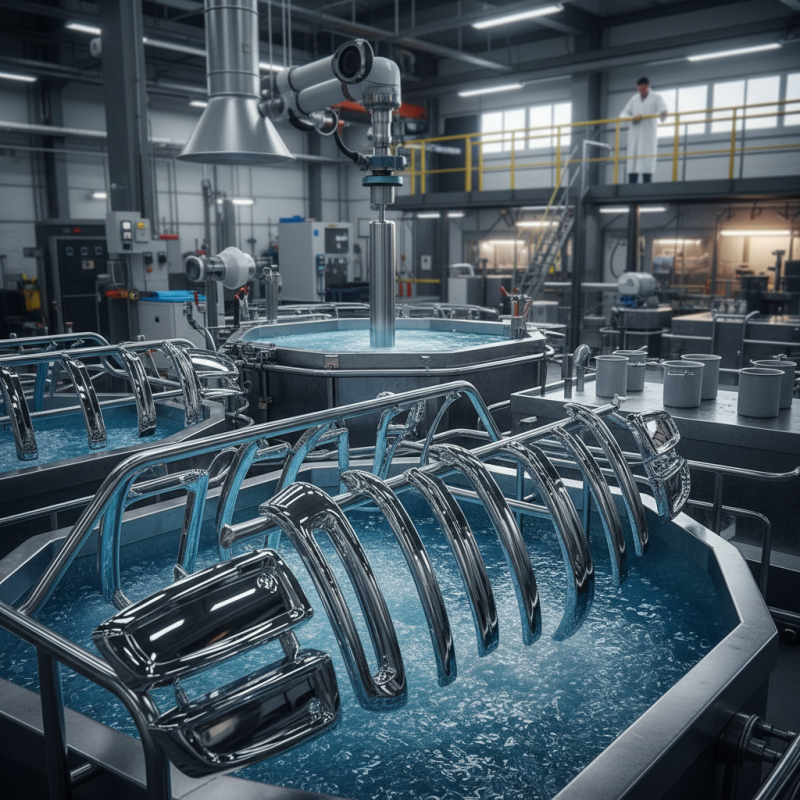
Understanding Chrome Plating: An Overview of Its Importance
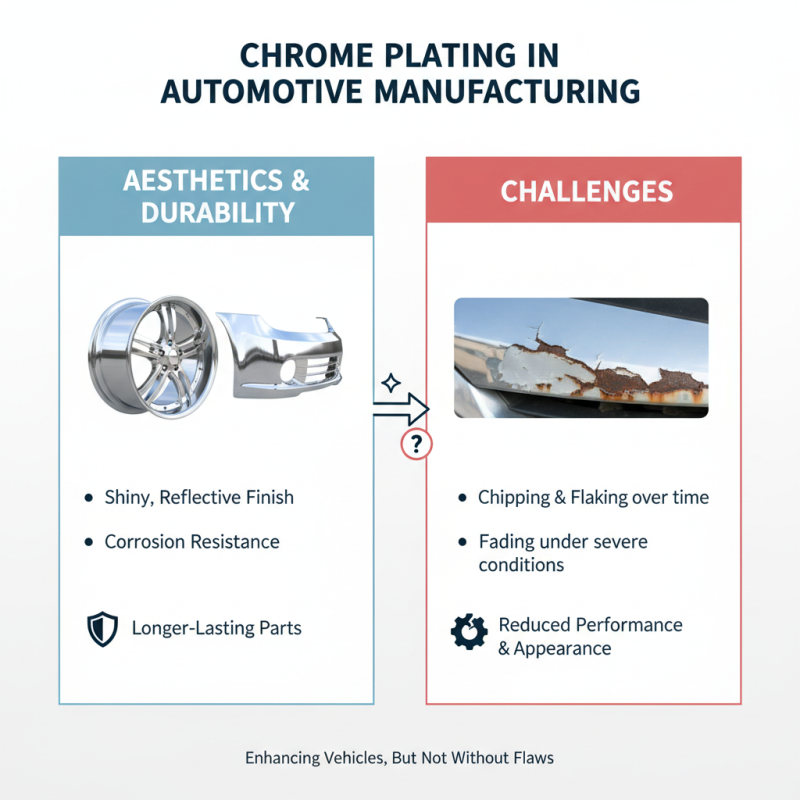
Chrome plating plays a vital role in enhancing both aesthetics and functionality. It involves a process where a thin layer of chromium is deposited on a metal surface. This layer can improve corrosion resistance and provide a sleek finish. It is often used in automotive parts, home fixtures, and accessories. The shiny appearance of chrome plating can transform ordinary objects into visually appealing ones.
However, not all chrome plating is created equal, and the quality can vary significantly. Some methods may not provide the durability expected, leading to peeling or fading over time. This inconsistency raises questions about which types are most dependable. Understanding the differences is crucial. For instance, decorative chrome plating emphasizes surface beauty, while hard chrome offers enhanced wear resistance. Choosing the right type based on specific needs is important.
Many overlook the importance of maintenance for chrome-plated items. Regular cleaning helps retain the finish and prevents oxidation. Some might ignore this, leading to premature damage. This reflects a common oversight in product care. In conclusion, recognizing the importance of chrome plating and the intricacies involved can empower users to make better choices.
2026 Top Types of Chrome Plating Explained for Better Understanding
| Type of Chrome Plating | Description | Applications | Advantages | Disadvantages |
|---|---|---|---|---|
| Decorative Chrome Plating | A thin layer of chromium applied to provide a shiny surface. | Automotive parts, fixtures, bathroom fittings. | Aesthetic appeal, corrosion resistance, easy to clean. | Less durable than hard chrome, can be damaged easily. |
| Hard Chrome Plating | A thicker layer of chromium with high hardness and wear resistance. | Machinery components, hydraulic cylinders, industrial applications. | Excellent wear and corrosion resistance, good for heavy-use applications. | Less shiny appearance compared to decorative chrome. |
| Chrome Plating with Nickel Base | Nickel is applied first, followed by a layer of chromium to enhance durability. | Automotive trim, household appliances, faucets. | Improved adhesion, better resistance to tarnishing. | More expensive due to the dual-layer process. |
| Chromic Acid Anodizing | A process that generates a thick oxide layer on aluminum parts using chromic acid. | Aerospace, automotive, and various industrial applications. | Enhances corrosion resistance and can be dyed for color. | Environmental concerns due to hexavalent chromium. |
Related Posts
-
Why You Should Know the Different Types of Chrome Plating for Your Projects
-

2025 How to Understand the Benefits of Chrome Plating for Your Projects
-
2026 How to Define Chrome Plating and Its Applications?
-
Ultimate Guide to Bright Chrome Plating Benefits Techniques and Applications
-
2025's Top Chrome Plating Techniques: Enhance Durability and Aesthetics
-
2025 Top Industrial Chrome Plating Techniques Benefits and Applications