2026 Top Trends in Decorative Metal Plating for Modern Aesthetics?
In the evolving world of design, decorative metal plating stands out as a crucial element. According to Dr. Lisa Fairchild, a leading expert in the decorative metal plating industry, "The right finish can transform an ordinary piece into a statement of elegance." This phrase encapsulates the power of plating in modern aesthetics.
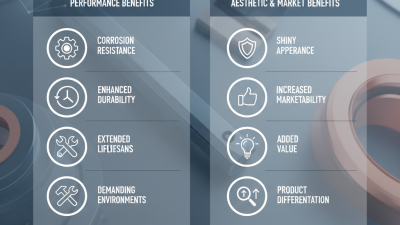
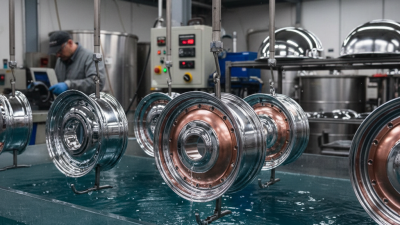
Decorative metal plating is more than just a covering. It adds texture, depth, and personality to various products. It can be found in furniture, fixtures, and artwork, enhancing the visual experience. However, as trends shift, the industry faces challenges. Keeping up with sustainable practices is essential, yet many companies still rely on traditional methods.
Upcoming trends highlight innovation, such as eco-friendly materials and advanced application techniques. Customers increasingly demand designs that not only look good but are also ethical. It's a balancing act. Striving for perfection in decorative metal plating may lead to overlooking simpler, cost-effective alternatives that also serve a purpose. This reflection invites the industry to embrace change while maintaining quality and creativity.
Emerging Decorative Metal Plating Techniques for 2026 Aesthetics
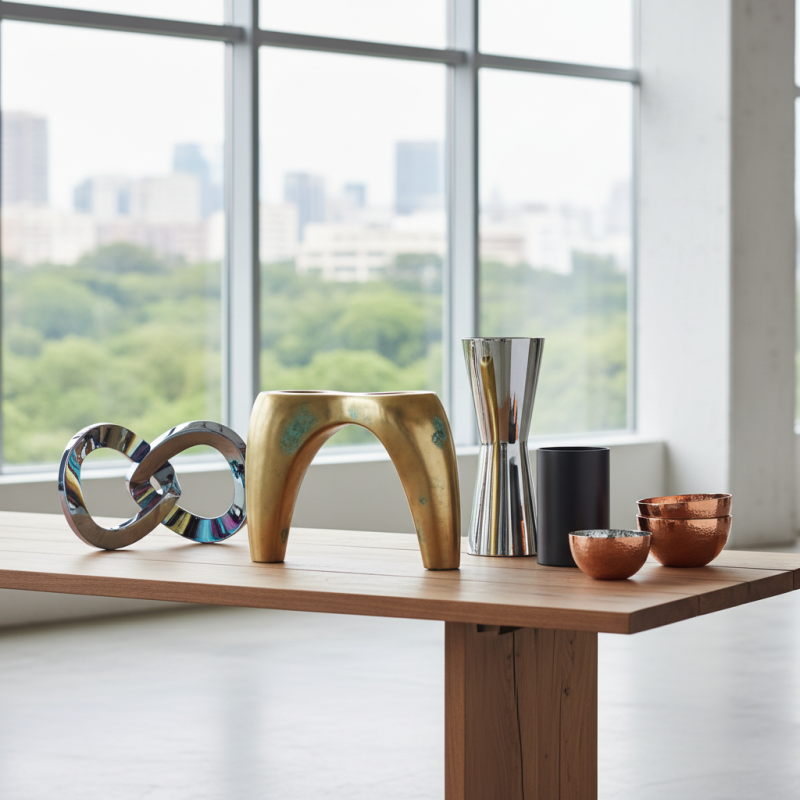
In 2026, decorative metal plating will embrace innovative techniques that redefine aesthetics. New methods will focus on sustainability and creativity. One emerging trend is bio-based plating. This uses organic materials to enhance the beauty of metals while being eco-friendly. The surfaces achieve a unique texture that captures attention. Imagine walking into a space adorned with reflective, leafy patterns that shimmer under light.
Another exciting development is the use of holographic finishes. These create vibrant visual effects that change with light angles. Expect to see these bold designs in home decor and fashion. They offer a playful yet sophisticated appeal, making everyday items feel extraordinary. However, maintaining the plating's integrity over time can be challenging. This presents a learning curve for both artisans and consumers alike.
Moreover, collaborative art forms will rise. Artists will partner with metal workers to create one-of-a-kind pieces. This fusion will push boundaries and spark conversations. Yet, not all projects may translate perfectly. Some designs might miss the mark, leading to trial and error. It's a reflection of creativity's unpredictable nature. Embracing imperfections can lead to groundbreaking discoveries in decorative metal plating.
2026 Top Trends in Decorative Metal Plating for Modern Aesthetics
Sustainable Metal Plating Solutions Shaping Industry Standards
Sustainable practices are transforming the metal plating industry. Modern aesthetics increasingly demand materials that are both visually appealing and environmentally responsible. As consumers grow more concerned about sustainability, businesses must adapt. Metal plating is seeing a shift towards eco-friendly solutions.
Recycled materials play a significant role in this evolution. Many companies now use sourced metals to reduce waste. This trend can be seen in various applications, from home decor to automotive parts. However, not every solution is perfect. The challenge of maintaining high-quality finishes with recycled metals persists.
Water usage and energy consumption are also critical considerations. Technologies are emerging that minimize these impacts. Still, some options fall short of industry expectations. Striking a balance between aesthetic appeal and sustainability is an ongoing journey. The quest for innovative solutions continues, shaping future industry standards.
Influence of Color Trends on Decorative Metal Finishes in 2026
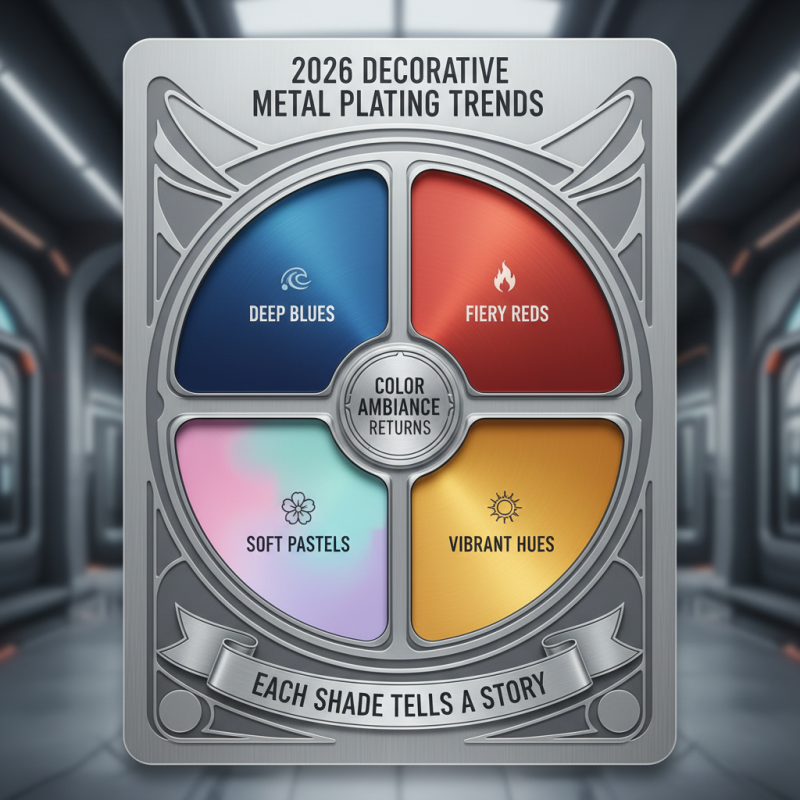
In 2026, decorative metal plating trends will focus heavily on color. The vibrant hues of yesterday will return. These colors create a unique ambiance. Expect to see deep blues, fiery reds, and soft pastels dominating the scene. Each shade has a story, influencing the mood of a space. This connection makes color a critical aspect.
Metal finishes will evolve with these trends. Matte finishes may pair well with bold colors. They offer a softer contrast. Glossy effects could amplify vibrant tones, creating striking visual appeal. Textures will also play a role. A hammered finish can add depth to bold colors, enhancing their richness. These combinations can be exciting yet challenging to implement effectively.
**Tips:** Consider testing metal finishes in small areas before full application. This can prevent any mismatches in color or texture. It's vital to remember that what's trendy may not always suit your space. Reflect on your environment to ensure coherence. Using samples can help visualize the final look.
Integration of Smart Technology in Decorative Metal Plating Applications
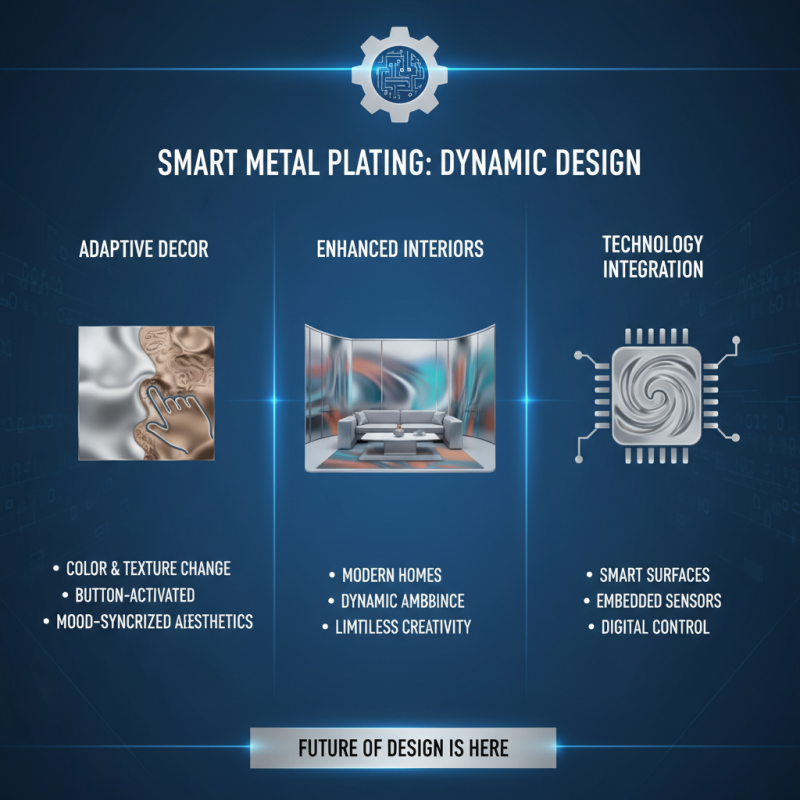
The integration of smart technology into decorative metal plating is transforming design possibilities. Smart surfaces can change color or texture with the touch of a button. Imagine a living space where the decor adapts to your mood. Such innovations enable dynamic aesthetics that enhance modern interiors.
Sensors in decorative metal finishes allow for real-time environmental change. They respond to light, temperature, and even sound. This capability offers a unique flexibility, but can also lead to challenges. For example, the complexity of technology can overwhelm traditional designs. Could this trend alienate artisans who prefer classic techniques?
Another aspect to consider is the sustainability of these advancements. Using eco-friendly materials is essential as we embrace smart technology. However, adding electronic components can complicate recycling efforts. Striking a balance between innovation and environmental care will be vital in the coming years.
Market Growth Projections for Decorative Metal Plating Technologies
The market for decorative metal plating technologies is rapidly expanding. Recent reports indicate a projected growth rate of 5-7% annually until 2026. This is largely driven by increasing consumer demand for aesthetics in home decor, automotive industries, and electronics. More than half of industry players are aiming to innovate while meeting sustainability standards.
Decorative metal plating often incorporates eco-friendly practices. This is crucial as regulations tighten. However, achieving a balance between sheen and environmental responsibility poses challenges. Many companies struggle to adopt greener processes while maintaining product quality. They face pressure from both regulators and consumers. Market analysts suggest that businesses leaning towards sustainable solutions may ultimately gain a competitive edge.
Investments in research and development are necessary. The trend towards automation in the plating process is on the rise. Yet, some firms may overlook the human aspect. Employee training on new technologies is vital, but often neglected. The human touch still matters, especially in creative applications. Engaging skilled workers can enhance the aesthetic quality that consumers seek.
2026 Top Trends in Decorative Metal Plating
| Trend |
Description |
Projected Market Growth (%) |
Color Trends |
Sustainability Focus |
| Matte Finishes |
Increasing demand for non-reflective, sophisticated aesthetics. |
15% |
Deep blacks, muted golds |
Eco-friendly coating options on the rise |
| Customization |
Increase in personalized designs for interior spaces and products. |
20% |
Bright and vibrant colors |
Recyclable materials and processes |
| Textured Surfaces |
Popular for adding depth and interest to metallic finishes. |
10% |
Metallic blues and greens |
Use of non-toxic chemicals |
| Smart Coatings |
Incorporating technology for self-healing and maintenance-free finishes. |
25% |
Earth tones and natural shades |
Advanced eco-innovation in material composition |