2026 Top Trends in Chrome Plating for Automotive and Industrial Applications?
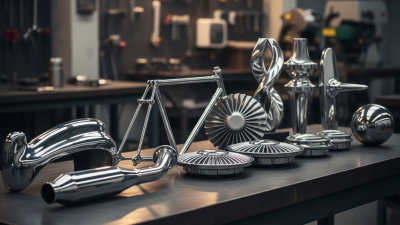
In recent years, chrome plating has emerged as a vital process in automotive and industrial applications. Experts like Dr. Sarah Connors highlight the importance of this technology, stating, "Chrome plating enhances durability and aesthetics." This underscores its role in transforming how industries approach both functionality and design.
The 2026 landscape for chrome plating will see trends shaped by advancements in manufacturing and sustainability. As industries strive for more efficient processes, chrome plating's adaptability will be tested. New materials and techniques may enhance its application but also challenge traditional methods.
Innovation is crucial, yet there are pitfalls to consider. The environmental impact of chrome plating remains a pressing issue. Companies must navigate regulations while striving for quality. As the industry evolves, the balance between aesthetics and sustainability will be essential for its future.

Emerging Technologies in Chrome Plating for Automotive Applications
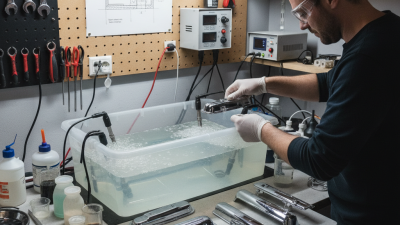
The automotive industry is witnessing a transformation in chrome plating techniques. Emerging technologies are reshaping how vehicles receive chrome finishes. Advanced electroplating methods are gaining popularity. These methods use less energy and reduce waste. They promise a more sustainable approach to chrome plating.
Laser-assisted plating represents a significant advancement. This technique allows for precision in application. It minimizes the use of materials and maximizes the finish quality. Moreover, this technology can be applied to complex geometries. However, the cost of laser systems can deter some manufacturers.
Another noteworthy trend is the integration of nanotechnology. This development enhances corrosion resistance and durability. It provides a finer finish without added layers. Yet, the long-term effects of these technologies are still under investigation. Manufacturers must weigh their benefits against potential risks. Embracing these innovations may pose challenges, but they hold immense potential for the future.
2026 Top Trends in Chrome Plating for Automotive and Industrial Applications
| Trend |
Description |
Impact Area |
Adoption Rate |
| Sustainable Chrome Plating |
Adoption of eco-friendly processes that minimize environmental impact. |
Environmental Compliance |
65% |
| Enhanced Durability Coatings |
Integration of advanced coatings for improved wear and corrosion resistance. |
Performance |
70% |
| Automated Plating Processes |
Use of robotics and automation to streamline chrome plating processes. |
Efficiency |
80% |
| 3D Printing for Chrome Plating |
Integration of 3D printing technologies to create complex shapes before plating. |
Innovation |
50% |
| Smart Plating Solutions |
Deployment of IoT technologies for real-time monitoring and quality control. |
Quality Assurance |
60% |
Sustainability Trends in Chrome Plating: A Greener Future
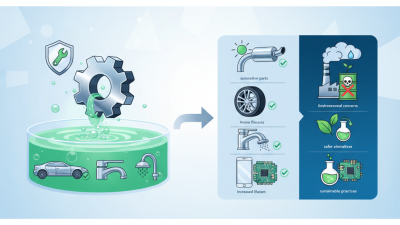
Sustainability is a key focus in the chrome plating industry. The shift towards eco-friendly practices is gaining momentum. Recent reports indicate a 30% increase in demand for sustainable chrome plating methods. This trend is driven by a push from consumers and regulations seeking greener alternatives.
Traditional chrome plating often uses hazardous materials. The waste produced can harm the environment and workers’ health. In response, many manufacturers are investing in new technologies. These innovations reduce harmful emissions and water usage by up to 50%. Alternatives, such as trivalent chromium, are also emerging. This method decreases the risk of toxicity while maintaining quality.
However, the transition is not without challenges. For many businesses, the initial investment in sustainable technologies can be high. Some companies hesitate, fearing the impact on production costs. There is also a lack of standardized regulations, which may lead to confusion. A coordinated effort from the industry is essential. The journey toward a greener future in chrome plating requires continuous improvement and collaboration.
Advancements in Chrome Plating Techniques for Industrial Use
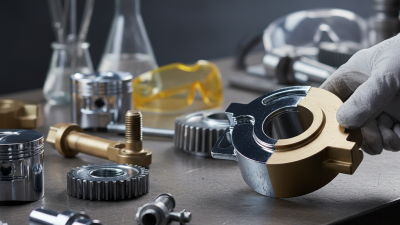
In recent years, chrome plating has undergone significant advancements, particularly for industrial applications. Techniques such as hard chrome plating and decorative chrome plating have evolved due to rising demands for durability and aesthetics. According to a recent market report, the global chrome plating market is expected to grow at a CAGR of 5.3% from 2021 to 2027. This growth reflects industries' focus on corrosion resistance and surface enhancement.
New methods now include electroless nickel chrome plating. This technique bypasses the need for electrical currents, improving consistency and reducing chemical waste. Additionally, advancements in automation are streamlining the plating process, enhancing efficiency. However, challenges remain. Maintaining uniformity across complex shapes can be difficult. Variations in temperature or pressure might lead to inconsistent finishes, prompting ongoing research.
Environmental considerations are also at the forefront. Stricter regulations globally affect chrome usage. Companies are tasked with finding eco-friendly alternatives that do not compromise quality. The quest for sustainable methods continues, raising questions about balancing performance and ecological responsibility. Many industries are exploring these emerging trends while grappling with the implications of their choices.
Market Demand and Forecast for Chrome Plating in the Next Few Years
The demand for chrome plating in automotive and industrial sectors is on the rise. This growth is fueled by the need for enhanced durability and aesthetic appeal. Many manufacturers seek chrome plating for its corrosion resistance and shiny finish. However, challenges remain. The process requires strict quality control to avoid defects like peeling or discoloration.
Looking ahead to 2026, the market for chrome plating is expected to evolve. Innovations in plating technology may address environmental concerns. New techniques might reduce hazardous waste and improve efficiency. Nonetheless, the industry must carefully balance growth with sustainability. While opportunities are plentiful, the need for skilled labor remains a critical issue.
Automotive companies are increasingly using chrome plating for both functional and styling purposes. It enhances vehicle components, making them more attractive to consumers. Yet, over-dependence on chrome can lead to market vulnerability. This could prompt businesses to rethink their strategies and explore alternative finishes. The future of chrome plating may hinge on adaptability.
Challenges and Innovations in Chrome Plating Process Efficiency
Chrome plating plays a critical role in automotive and industrial applications. However, the efficiency of the plating process is often challenged by various factors. Environmental regulations increase operational costs. Waste management adds complexity to production lines. These hurdles demand innovative approaches to streamline processes.
Innovations in chrome plating focus on reducing energy consumption and maximizing resource utilization. Advanced technologies, such as automated systems, enhance precision and reduce waste. Yet, transitioning to these technologies can be resource-intensive and time-consuming. Many companies struggle with the initial investment. The learning curve is steep, and training staff adds to the challenge.
Sustainability remains a pressing concern. Finding eco-friendly alternatives to traditional processes is essential. Research on non-toxic materials is ongoing but complex. Integrating these innovations requires a thoughtful approach. Compromises in quality often emerge during the adaptation phase. Navigating these challenges can lead to meaningful breakthroughs in the long run.