Top Tips for Choosing Electric Resistance Heating Pipes?
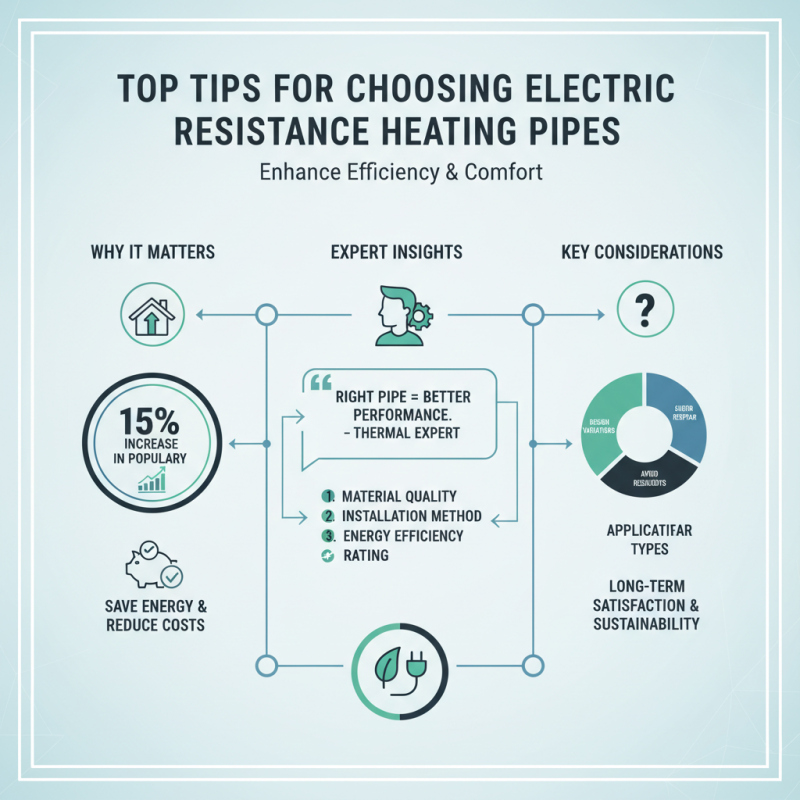
Choosing the right Electric Resistance Heating Pipe can significantly impact efficiency and comfort in homes and businesses. According to a recent report by the Global Energy Efficiency Agency, electric heating systems have seen a 15% increase in popularity over the last five years. This trend emphasizes the need for effective selection criteria to meet specific heating requirements.
Expert Mark Thompson, a leading authority in thermal system technologies, asserts, "The right heating pipe can enhance energy performance and reduce costs.” His insights highlight the importance of considering factors like material quality, installation methods, and energy efficiency ratings. Selecting the wrong product can result in ineffective heating solutions and unnecessary expenses.
Electric Resistance Heating Pipes vary in design and application, and understanding these differences is crucial. It's not uncommon for consumers to overlook details, leading to subpar results. With the growing reliance on electric systems, making informed decisions about these pipes is essential for long-term satisfaction and sustainability.
Understanding Electric Resistance Heating Pipes: An Overview
Electric resistance heating pipes are becoming increasingly popular for various heating applications. They operate by converting electrical energy into heat through resistance. This process is efficient, providing direct heat to spaces and ensuring comfort in colder climates. According to a report by the U.S. Department of Energy, electric resistance heating accounts for about 15% of the residential heating market. Understanding how they work is crucial for making informed choices.
When selecting electric resistance heating pipes, one must consider several factors. Installation costs are often lower than alternatives, but running costs can be higher, especially in colder regions. A study from the Energy Information Administration highlighted that energy prices can influence operating expenses significantly. It’s vital to assess local energy rates and usage patterns before installation. Also, consider pipe materials. For example, materials with better thermal conductivity can enhance efficiency.
While electric resistance systems can be effective, they are not always the right choice. They can increase electricity demand, potentially leading to higher charges. Homeowners should reflect on their long-term energy needs and the likely environmental impact. The choice of electric resistance heating pipes should align with sustainability goals and budget considerations. Analysis of performance and maintenance requirements is also essential. Each installation is unique and requires careful thought.
Factors to Consider When Choosing Electric Resistance Heating Pipes
When choosing electric resistance heating pipes, several critical factors must be considered. The pipe's material significantly impacts its efficiency. Generally, copper and aluminum pipes are preferred for their excellent thermal conductivity. According to a report by the International Energy Agency, effective heating solutions can reduce energy consumption by 30%. This highlights the need for informed choices.
Electric resistance heating systems require careful sizing. Undersized systems may struggle to heat effectively, while oversized systems can lead to inefficiency. To achieve optimal performance, calculate the required BTUs based on the space's dimensions and insulation quality. A study from the Department of Energy emphasizes the importance of proper sizing, which significantly influences energy bills and comfort levels.
Consider the installation environment as well. Pipes in damp areas need appropriate protective coatings to avoid corrosion. Environmental factors play a crucial role in system longevity and performance. Even small choices can have a big impact on overall efficiency. Remember, every decision counts, from selecting the right materials to understanding how they will perform under specific conditions. Keep these factors in focus, and you'll make informed, effective choices.
Top Tips for Choosing Electric Resistance Heating Pipes
Evaluating Energy Efficiency and Performance of Heating Pipes
When evaluating energy efficiency and performance in electric resistance heating pipes, understanding their specifications is crucial. Research shows that the thermal efficiency of these systems can reach up to 95%. However, efficiency can drop due to installation errors or poor-quality materials. Selecting heating pipes with a good thermal conductivity rating helps maximize energy usage.
Tips for choosing pipes include checking for insulation quality. Well-insulated pipes minimize heat loss, making a system more efficient. Avoid materials with low thermal resistance, as they can lead to increased energy costs. Select pipes designed for the specific environment of your home or building.
In recent studies, systems using advanced electric resistance heating display enhanced performance metrics. They delivered a consistent temperature while using about 30% less energy compared to older models. Yet, it's essential to balance upfront costs with long-term savings. A lower-priced pipe might compromise performance, leading to more frequent replacements. Keep in mind that improper sizing can also lead to inefficiencies, resulting in higher operational costs over time. Aim to find a balance between cost and quality for improved performance and sustainability.
Installation Requirements and Best Practices for Heating Pipes
When installing electric resistance heating pipes, understanding the installation requirements is crucial. Start by evaluating the space you want to heat. Accurate measurements prevent oversizing or undersizing the system. Roughly calculate the required heating output based on the room dimensions. This step ensures efficiency and effectiveness in heating.
Another vital aspect is the insulation of the pipes. Proper insulation minimizes heat loss, enhancing performance. Pay attention to the gaps around the pipes, as these can cause heat to escape. Use high-quality insulation materials that can withstand the heat produced by the pipes. This will improve overall system efficiency significantly.
Always adhere to local building codes and regulations. These standards are in place to ensure safety and effectiveness. Professional installation is recommended if you're unsure about the requirements. Unqualified installation can lead to overheating or even hazards. Be mindful of your experience and capabilities; it's always best to consult an expert for complex setups.
Top Tips for Choosing Electric Resistance Heating Pipes
| Criterion | Description | Best Practices |
| Material Quality | Ensure pipes are made from durable materials such as copper or stainless steel. | Opt for pipes certified for high temperatures and resist corrosion. |
| Diameter and Length | Choose the right diameter and length based on your heating requirements. | Measure your space accurately to prevent inefficient heating. |
| Installation Guidelines | Follow local electrical codes and manufacturer instructions during installation. | Consider hiring a licensed professional for installation. |
| Voltage Requirements | Check voltage compatibility with your existing electrical systems. | Use transformers if necessary to match the voltage requirements. |
| Insulation | Proper insulation increases efficiency and safety of heating pipes. | Utilize high-quality insulation materials to minimize heat loss. |
Maintenance Tips for Prolonging the Life of Heating Pipes
Maintaining electric resistance heating pipes is crucial for their longevity. Regular inspections can help identify potential issues early. Look for any signs of wear or corrosion. These can lead to inefficient heating and expensive repairs.
One essential tip is to flush your pipes at least once a year. This removes any buildup of minerals or debris. A clean system works more efficiently. It’s also advisable to check the electrical connections periodically. Loose connections can hinder performance and create safety risks.
Remember, the environment can affect your pipes. If your home has high humidity, consider adding insulation. This can protect the pipes from moisture damage and improve efficiency. Simple adjustments like these can help enhance their functionality over time.