2026 Top Hydraulic Proportional Valve Features and Benefits?
In the evolving world of hydraulic engineering, understanding the "Hydraulic Proportional Valve" is essential. Expert John Miller, a leading voice in hydraulic technology, emphasizes, “Precision in control is the heart of hydraulic systems.” His words resonate with the growing importance of proportional valve features in enhancing operational efficiency.
Hydraulic Proportional Valves offer users remarkable advantages. They facilitate accurate flow control, responding swiftly to varying demands. This responsiveness can significantly improve overall system performance. However, not every application optimally leverages these features. Industries often overlook maintaining their proportions, which can lead to inefficiencies.
Moreover, the complexity of integrating advanced features can be daunting. Some engineers find themselves grappling with installation challenges. This situation underscores the need for ongoing education and refinement in hydraulic systems. Ultimately, while the promise of Hydraulic Proportional Valves is clear, there are lessons to learn as technology continues to advance.
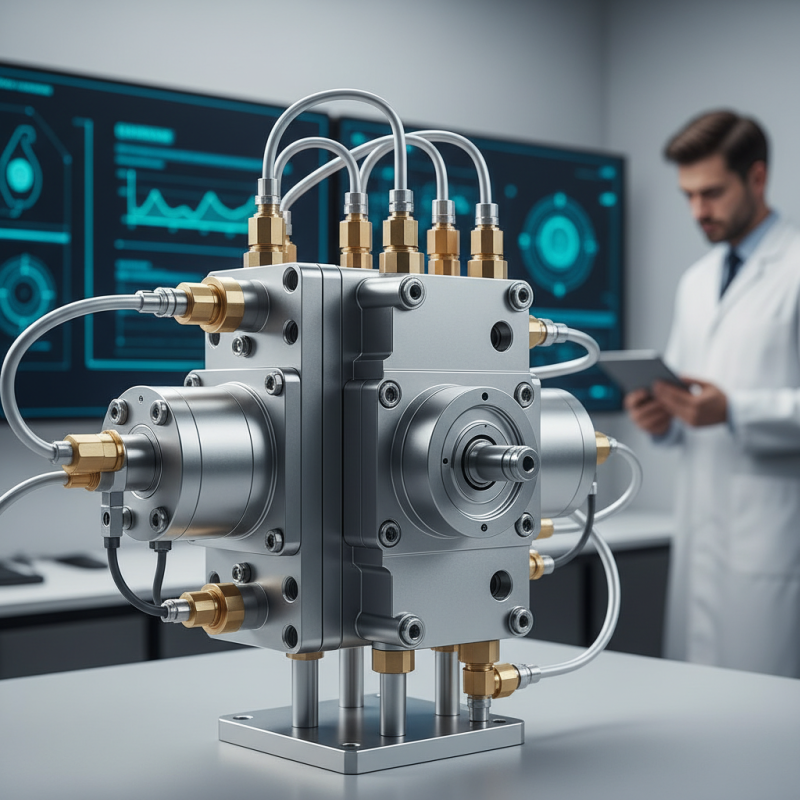
Overview of Hydraulic Proportional Valves in 2026
Hydraulic proportional valves play a critical role in various applications, especially in 2026. These valves are essential for controlling fluid flow and pressure, providing precise movements in hydraulic systems. With increasing automation trends, the demand is rising. A recent industry report projects a 12% growth in the hydraulic valve market by 2027.
These valves operate by adjusting the fluid flow according to an electrical signal. This feature enhances energy efficiency and reduces operational costs. The integration of digital technologies further boosts their performance. However, some manufacturers struggle to keep pace with technology advancements, affecting overall reliability.
Tips: Regular maintenance is crucial. Check for leaks and wear regularly. Also, consider training your staff on the latest valve technologies. Understanding these can lead to better performance.
Moreover, it's essential to weigh the cost versus the benefits. While initial investments can be high for advanced systems, they can lead to long-term savings. Yet, not all applications may require the latest technology. Evaluating specific needs is vital to maximize efficiency without overspending.
Key Features of Hydraulic Proportional Valves
Hydraulic proportional valves play a crucial role in controlling fluid flow in various applications. One key feature is their ability to provide precise control over the operation of machinery. This precision is achieved through real-time adjustments. The valves can modify flow rates based on input signals, which enhances efficiency. Result? Improved performance and reduced energy consumption.
Another notable feature is their adaptability. These valves can integrate seamlessly into different hydraulic systems. This flexibility allows for customization, which is essential in meeting specific operational needs. Users can often adjust parameters to suit various tasks. However, this can also lead to complexity. Incorrect settings may cause inefficiencies or even system failures.
Durability is also a significant benefit. Hydraulic proportional valves are designed to withstand high pressures and harsh environments. This resilience ensures longevity, but it doesn’t eliminate maintenance needs. Regular checks and calibrations are necessary to maintain optimal functionality. Sometimes, users overlook this, leading to unexpected issues. It's a reality that demands attention and reflexive adjustments.
Benefits of Using Hydraulic Proportional Valves
Hydraulic proportional valves offer several advantages that enhance system performance. These valves regulate fluid flow more precisely than traditional valves. This precision allows for smoother operation in hydraulic systems. For example, when controlling a hydraulic actuator, proportional valves enable fine adjustments to speed and force. This leads to better control over machinery and reduces wear and tear on components.
Another key benefit is energy efficiency. Hydraulic systems can waste energy if not properly controlled. Proportional valves optimize flow rates, reducing unnecessary pressure loss. This results in lower energy consumption and operational costs. In many applications, users report significant savings over time. However, not all users fully utilize the capabilities of these valves. Sometimes, improper calibration can lead to less than optimal performance.
Maintenance is another area to consider. Although these valves are designed for durability, they can require regular checks. Contamination can affect operation, leading to erratic performance. It's crucial to establish a good maintenance routine. This ensures that the hydraulic system functions smoothly. Users often overlook this aspect, which can lead to bigger problems down the line. Addressing these issues proactively will enhance the overall efficiency of hydraulic systems.
Applications of Hydraulic Proportional Valves in Various Industries
Hydraulic proportional valves play a crucial role in various industries. They allow precise control of fluid flow, enabling smooth operation of machinery. Many sectors, including agriculture and manufacturing, benefit from their unique features. In agriculture, these valves help optimize equipment performance, ensuring accurate seed planting and effective irrigation. This leads to improved crop yields and reduced waste.
In manufacturing, hydraulic proportional valves enhance automation systems. They allow for precise movements in robotic applications. This results in increased efficiency and reduced operational costs. Yet, there are challenges. Not all systems are compatible with these valves. Proper selection and application are vital.
Construction also relies on these valves for heavy machinery. They provide reliable control over lifts and booms, essential in tight spaces. However, maintenance issues can arise if not addressed. Regular checks are necessary to avoid downtime. Mistakes in installation may lead to malfunctions. Ensuring that the right specifications are followed is crucial for optimal performance. Balancing these factors is key to maximizing the benefits of hydraulic proportional valves.
Future Trends in Hydraulic Proportional Valve Technology
The advancement of hydraulic proportional valve technology is accelerating rapidly. Engineers are now focusing on the integration of digital controls. This shift allows for greater precision in fluid delivery. With enhanced feedback mechanisms, these valves respond faster to changes. Improved efficiency is a key benefit, reducing energy consumption almost by half in some systems.
The future will likely see an increase in smart valve technology. These valves can communicate with other systems, optimizing performance. But there are challenges. Implementing these technologies requires significant investment. Maintenance can also become more complex with increased connectivity. Users must weigh the benefits against these potential issues.
Environmental considerations are growing in importance. Manufacturers are exploring sustainable materials for valve production. This effort may lead to longer-lasting products and reduced waste. However, the balance between innovation and eco-friendliness is delicate. Striking this balance will define the next era of hydraulic proportional valves.