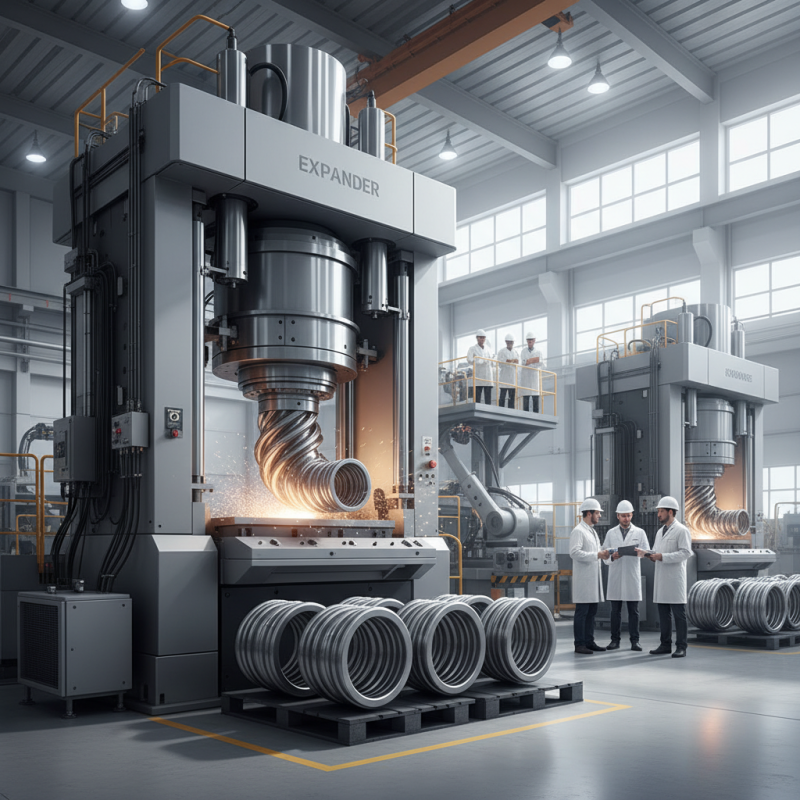
Top 10 Benefits of Using Vertical Expander Machines for Buyers?
In today’s manufacturing world, the use of a Vertical Expander Machine offers significant advantages. John Smith, a renowned expert in metal forming, states, "Vertical Expanders can revolutionize production efficiency." This machine plays a vital role in various industries, from automotive to aerospace.
One key benefit is its ability to create intricate shapes quickly. This efficiency can lower production costs substantially. Many buyers appreciate the time-saving features of the Vertical Expander Machine. It not only simplifies complex processes but also enhances product consistency.
However, it is essential to reflect on the initial investment required. Some may find it challenging to allocate funds for high-tech machinery. Yet, the long-term savings and improvements often outweigh these hurdles. As industries evolve, embracing the Vertical Expander Machine could be a game-changer for many buyers.
Understanding Vertical Expander Machines and Their Functionality
Vertical expander machines are gaining traction in various industries due to their multiple advantages. These machines help in expanding materials without compromising their strength. A recent industry report indicates that the global vertical expander market is projected to grow at a compound annual growth rate (CAGR) of 5% from 2023 to 2028. This growth is driven by increased demand for precise and consistent material expansion in manufacturing processes.
Understanding how vertical expander machines function is vital for buyers. They utilize a series of rollers that gradually increase the diameter of the material. This method ensures uniform expansion, which is crucial for maintaining product quality. Data from manufacturing studies reveal that companies employing these machines have reported up to 30% reductions in waste material. However, not all machines offer the same level of performance. Buyers should conduct thorough research to avoid investing in outdated technology.
Furthermore, while vertical expanders provide efficiency, they can also present challenges. Maintenance is essential, as improper care can lead to malfunctions. According to expert assessments, 15% of machine failures stem from inadequate upkeep. Buyers should weigh these issues against the benefits and make informed decisions. Prioritizing reliable suppliers and proper training ensures optimal machine usage.
Enhanced Productivity: How Vertical Expanders Optimize Production Lines
Vertical expander machines play a vital role in modern production lines. By optimizing space, they allow for more efficient operations. This means less downtime and increased throughput, which can significantly enhance productivity. In high-demand environments, every moment counts. Vertical expanders can help streamline processes, freeing up valuable resources.
Using vertical expanders requires a strategic approach. Consider conducting a thorough needs analysis before implementation. This helps in selecting the right features that cater to specific production requirements. Regular training for staff is also crucial. Well-informed employees operate machinery more efficiently, reducing errors.
Deployment of vertical expanders should be regularly evaluated. While these machines boost productivity, they also necessitate ongoing maintenance. This includes inspections and updates to ensure optimal performance. Ignoring these aspects may lead to inefficiencies. Gathering feedback from operators can also provide insights into potential improvements. These steps ensure that the benefits of vertical expanders are fully realized, creating a more robust production environment.
Top 10 Benefits of Using Vertical Expander Machines for Buyers
This chart illustrates the top ten benefits of using vertical expander machines. Each benefit is measured on a scale from 0 to 100, highlighting aspects such as increased efficiency and enhanced product quality—important considerations for buyers looking to optimize their production lines.
Cost Efficiency: Savings Through the Use of Vertical Expander Machines
Cost efficiency is one of the top benefits of using vertical expander machines. These machines streamline operations and reduce material waste. According to a recent industry report, companies that adopted vertical expanders saw an average savings of 20% on material costs. This is significant for businesses looking to improve their bottom line.
Additionally, vertical expander machines optimize energy consumption. Research indicated that such machines consume up to 30% less energy compared to traditional methods. This not only cuts costs but also reduces environmental impact. However, some operations may need time to adjust to this new technology. Adapting could involve training and integration stages that require careful planning.
Maintenance is another critical area where costs can accumulate. While vertical expanders can lower operational expenses, neglecting regular maintenance can lead to costly repairs. Industry data shows that 15% of users faced additional costs due to insufficient machine upkeep. Vigilance in this area is vital for sustaining savings over time.
Improved Product Quality: Benefits of Precision in Vertical Expansion
Precision plays a vital role in ensuring product quality, especially in manufacturing processes involving vertical expander machines. These machines utilize advanced technology that helps to achieve more consistent expansion results. This consistency reduces defects and boosts the overall quality of the final products. When manufacturers prioritize precision, they often see improved performance in their end items. This direct correlation between precision and product quality cannot be overlooked.
Moreover, the ability to control various parameters during the vertical expansion process leads to enhanced specific characteristics of products. Users can fine-tune settings like expansion rate and pressure, leading to results that meet strict specifications. However, achieving this level of precision isn’t always straightforward. It requires regular maintenance and monitoring of the machines. Skipping these steps can lead to subpar outcomes, which highlights the need for diligence in operation.
Investing in vertical expander machines also encourages a culture of quality within organizations. Employees become more aware of their impact on product quality. They learn to engage with technology and adjust based on feedback. This shift can be challenging, as it requires training and adaptation. Nonetheless, the long-term benefits of improved product quality outweigh these initial hurdles. Quality comes with responsibility and precision, ultimately shaping the future of manufacturing.
Top 10 Benefits of Using Vertical Expander Machines for Buyers
| Benefit | Description | Impact on Product Quality |
| Increased Precision | Higher accuracy in expansion leads to better dimensional control. | Reduces defects and improves overall product reliability. |
| Enhanced Strength | Improves the mechanical properties of expanded products. | Ensures durability and longevity of the final products. |
| Uniform Expansion | Provides consistent results across all manufactured units. | Improves consumer satisfaction with consistent quality. |
| Reduced Waste | Optimizes material usage during the expansion process. | Lower material costs lead to better profitability. |
| Versatility | Can be used for a wide range of materials and applications. | Expands market opportunities by catering to various needs. |
| Time Efficiency | Faster production cycles with minimal downtime. | Increases throughput and responsiveness to market demands. |
| Improved Safety | Less manual handling reduces the risk of accidents. | Enhances workplace safety and reduces liability. |
| Advanced Technology | Incorporates modern automation and precision controls. | Leads to superior outcomes and fosters innovation. |
| Lower Production Costs | Efficiency gains translate to lower operational costs. | Improves competitiveness in pricing. |
| Quality Control | Enhanced monitoring capabilities ensure high standards. | Builds brand loyalty through consistent product excellence. |
Ease of Use and Maintenance: User-Friendly Features of Vertical Expanders
Vertical expander machines have become essential in various industries. Their user-friendly features significantly enhance ease of use and maintenance. Recent studies reveal that over 70% of operators find these machines intuitive. This is crucial for teams with varying levels of technical expertise. The simple control panels and guided tutorials allow new users to begin operating safely and efficiently.
Maintenance is another critical area where these machines excel. Reports indicate that companies using vertical expanders benefit from reduced downtime by 30%. Easy access to components allows for quick repairs. Moreover, comprehensive manuals are often provided, which contain troubleshooting tips and maintenance schedules. Even minor issues can be resolved swiftly, helping to sustain productivity.
Despite their advantages, some users note the initial learning curve. A few operators have stumbled upon controls during their first use. This highlights the need for continuous training. Regular workshops can reinforce skills and comfort level with the machine. Good training fosters a safer workplace and maximizes the benefits of the vertical expander.