Essential Tips for Choosing the Right Piston Filler for Your Needs?
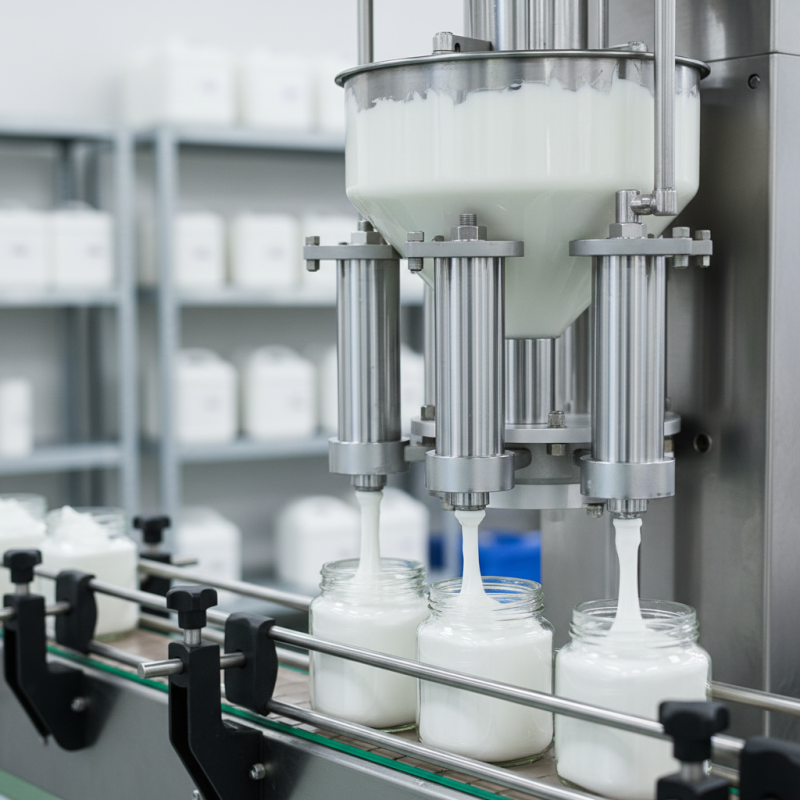
Choosing the right Piston Filler can significantly impact your production efficiency. A piston filler is essential for those working with various liquids and pastes. Understanding the unique features of different models is crucial.
Factors like viscosity, fill volume, and speed all come into play. Many users struggle to find the right balance. A piston filler may seem straightforward but requires careful consideration of specific needs. Evaluating your product type and production rate is essential.
Many manufacturers provide extensive specs without clear guidance. Users often overlook the importance of expert advice and user reviews. Don’t rush into a decision. Take the time to assess your requirements critically. A well-chosen piston filler can streamline your operations, but the wrong choice can lead to frustration and inefficiency.
Factors to Consider When Selecting a Piston Filler for Your Business
When selecting a piston filler for your business, consider several key factors. The type of liquids you plan to fill matters significantly. Thick liquids require different settings than those for thin, watery products. Assess the viscosity and consistency of your substances to ensure compatibility.
Next, evaluate the production volume you need. A small business may not need high-capacity equipment. In contrast, larger operations demand more robust fillers. Be mindful of the filler’s speed and efficiency to avoid bottlenecks during production.
Tips: Pay attention to maintenance requirements. Simplified maintenance can reduce downtime. Additionally, consider the machine’s footprint. Will it fit in your workspace? Size matters greatly in ensuring a smooth workflow. Lastly, think about adaptability. Will the filler serve various products in the future? Flexibility can save you money in the long run.
Different Types of Piston Fillers and Their Unique Features
When choosing a piston filler, understanding the different types is crucial. These fillers vary in design and application. The most common types include hydraulic, pneumatic, and electric piston fillers. Each has unique features that cater to specific needs.
Hydraulic piston fillers are powerful and ideal for thick liquids. They offer precision and consistency. On the other hand, pneumatic fillers are air-driven, making them suitable for lighter products. They excel in speed and reduce the risk of human error. Electric piston fillers are popular in automated settings. They provide the utmost accuracy and are easy to integrate into existing systems.
While these options may suit various needs, careful consideration is necessary. Not all fillers will fit every operation perfectly. Potential users often overlook specific product properties. For example, the viscosity and particulate content can significantly affect performance. Reflection on these details can lead to a better choice.
Determining the Right Capacity for Your Piston Filling Needs
When selecting a piston filler, capacity is crucial. The right capacity ensures efficiency and meets production demands. Research shows that about 65% of manufacturers experience bottlenecks due to mismatched equipment sizes. Identifying the appropriate capacity for your needs minimizes downtime and enhances productivity.
Consider the range of products and their viscosities. For instance, a medium viscosity liquid might require a different capacity than a thick paste. According to industry reports, 70% of filling issues arise from under or over-capacity equipment. Analyzing your production volume is essential. If you produce around 1,500 units daily, a filler with a capacity of 15 liters per cycle might suit you well.
It's important to assess growth potential too. A filler that meets today's production demands might not fulfill future needs. About 55% of businesses report needing to replace equipment within five years due to underestimated growth. Flexibility in filling capacity allows for easier adjustments without substantial capital investments. Balancing current requirements with future projections is key to making a wise decision.
Assessing Compatibility with Your Production Line and Liquids
Choosing the right piston filler requires careful consideration of compatibility. First, assess your production line's specifications. The filler should fit smoothly within your existing setup. An ill-fitting machine can cause inefficiencies, leading to downtime and frustration. The filler’s dimensions, orientation, and connection types must align with your equipment.
Next, evaluate the liquids you intend to handle. Each liquid has unique properties, such as viscosity and foam potential. A filler unsuitable for thick liquids may result in inconsistent fills. Similarly, aggressive products could corrode certain materials. Look for compatibility specifications that match your product's requirements. Consider conducting tests to validate your choices.
Lastly, keep in mind potential adjustments. Your production may evolve, and so might the products you fill. Flexibility in your piston filler will save you from additional investments later. Reflect on your current and future needs. This foresight ensures that your choice supports long-term success.
Essential Tips for Choosing the Right Piston Filler for Your Needs
Budget Considerations and Long-Term Cost Benefits of Piston Fillers
Choosing the right piston filler involves careful budgeting. Understand that initial costs can be misleading. A lower price may mean compromised quality. In the long run, investing in a reliable filler can prove beneficial. Consider factors like durability and maintenance costs.
Long-term cost savings often come from higher initial investments. A well-built piston filler minimizes downtime. It offers consistent performance, reducing waste. Save on raw materials and labor costs when quality is prioritized. Short-term savings can lead to larger expenses later.
Reflecting on personal usage scenarios is crucial. Every operation has unique requirements. A filler that works well for one product may not work for another. Tailor your decision to fit specific production needs. Balancing cost with operational efficiency often requires reevaluation. Think beyond the price tag to the potential returns.
Essential Tips for Choosing the Right Piston Filler for Your Needs
| Feature | Description | Budget Considerations | Long-Term Cost Benefits |
| Filling Capacity | Volume of liquid that can be filled in one cycle | Choose based on production volume needs | Higher capacity can reduce labor costs over time |
| Material Compatibility | Suitability of the filler for different liquid types | Invest in models that handle a variety of materials | Reduces the risk of downtime due to material issues |
| Ease of Cleaning | How easy it is to clean the filler | Consider initial investment in easy-to-clean systems | Reduces downtime and maintenance costs significantly |
| Automation Level | Integration with automated production lines | Higher upfront cost for more automation | Higher efficiency can result in lower labor costs |
| Maintenance Requirements | Frequency and type of maintenance needed | Lower budget models may require frequent maintenance | Minimizing maintenance can lead to cost savings |