How to Source Hydrogen Refueling Stations at Canton Fair 2026?
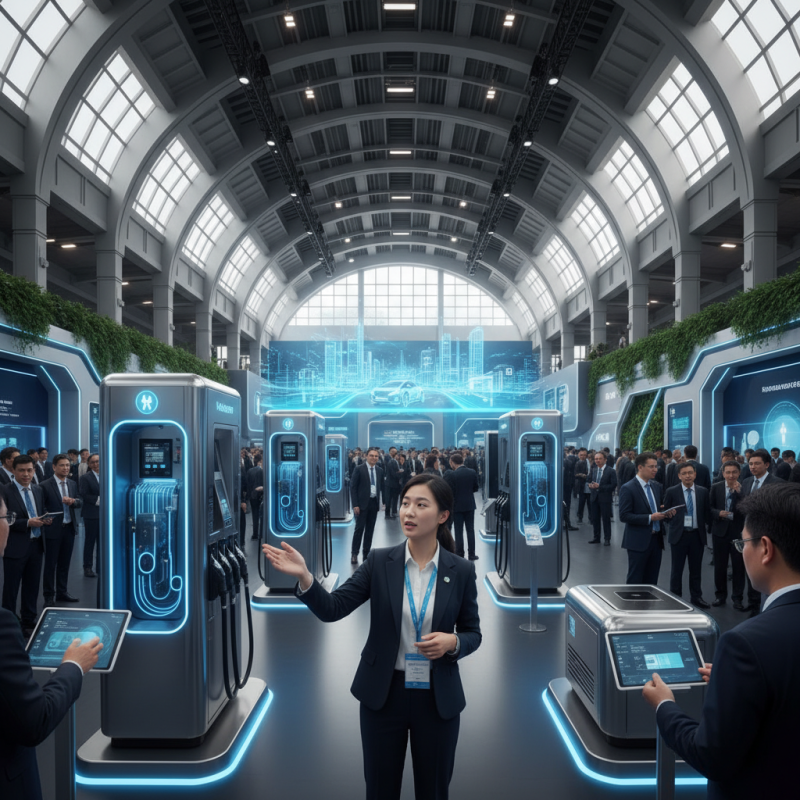
As the world shifts towards sustainable energy, sourcing Hydrogen Refueling Stations becomes essential. Leading expert Dr. Emily Zhang emphasizes, "Hydrogen is the future of clean transportation." The upcoming 2026 Canton Fair offers unique opportunities for businesses to explore this emerging market.
The Fair spans three phases, showcasing various industries. The first phase highlights advanced manufacturing and mechanical innovations. Buyers can use AI tools for efficient navigation, saving time. This means finding reliable suppliers for Hydrogen Refueling Stations can be streamlined.
Notably, the challenge remains: many suppliers may lack certifications. Buyers should critically assess their qualifications. AI can help filter options, but experts urge caution. In this rapidly evolving sector, ensuring quality is crucial. Each decision has a lasting impact on the transition to hydrogen-based transportation solutions.
Understanding the Importance of Hydrogen Refueling Stations
Hydrogen refueling stations play a crucial role in the shift towards sustainable energy. As the world grapples with emissions, switching to hydrogen as a fuel source is gaining traction. According to the Hydrogen Council, the global hydrogen market could reach $2.5 trillion by 2050, driven by the demand for cleaner energy solutions. This statistic highlights the urgency to develop robust hydrogen infrastructure.
At industry events like the Canton Fair 2026, exploring hydrogen refueling technologies becomes essential. Many experts point out that the existing refueling network is still limited. In Europe alone, it is expected that by 2030, 1,200 hydrogen stations will be required for adequate coverage. This gap indicates a significant opportunity for retailers and investors. However, the varying regulations and standards across countries can pose challenges.
Creating efficient refueling stations involves navigating complex supply chains. Inconsistent availability of hydrogen production facilities raises questions about reliability. Moreover, proper safety protocols must be established. A report by the International Energy Agency noted that investment in hydrogen infrastructure must double in the next decade to meet climate targets. This creates not just opportunities but lingering concerns about implementation strategies.
Identifying Key Suppliers at Canton Fair 2026
Finding reliable suppliers for hydrogen refueling stations at Canton Fair 2026 requires careful planning. Start by researching companies that specialize in hydrogen technology. Look for booths dedicated to energy solutions. Take note of their product displays and marketing materials. This will help you narrow down potential partners.
Engage in conversations with suppliers. Ask about their technology, production capacity, and experience in the industry. Listen closely to their responses. Many suppliers might have limited knowledge or vague answers. This could be a red flag. Take notes on your interactions. Some suppliers may demonstrate a clear passion for their work, while others may lack enthusiasm.
Visit as many booths as possible. Variety enhances your understanding of the market. Don’t hesitate to dig deeper. Some companies may not showcase their best products upfront. Follow up with suppliers after the fair. Assess their responsiveness and willingness to answer questions. This reflection can help you identify the best choices for your needs.
Evaluating Technologies and Innovations in Hydrogen Infrastructure
The development of hydrogen refueling stations is essential for the growing hydrogen economy. Evaluating technologies at Canton Fair 2026 can point to innovative practices. It is crucial to assess the efficiency and sustainability of these technologies. Many solutions aim to decrease costs and environmental impact but are still evolving.
One interesting aspect is the diversity of technologies presented. From electrolysis to storage solutions, each system has strengths and weaknesses. Some may be efficient but costly. Others are affordable, yet not as effective. Observing these nuances can lead to better decision-making.
Networking with industry experts at the fair can provide insights into best practices. Participants often share experiences about what works and what doesn’t. Identifying common pitfalls can be just as valuable as discovering breakthroughs. This holistic approach fosters a robust understanding of hydrogen infrastructure. Embracing challenges may open doors to untapped opportunities in this sector.
Negotiating and Establishing Partnerships with Manufacturers
Finding the right hydrogen refueling stations at the Canton Fair 2026 can be a challenging task. The key lies in effective negotiation and partnership establishment. Start by researching potential manufacturers in advance. Understand their capabilities and product offerings. This knowledge will empower your discussions.
When negotiating, be clear about your expectations. Discuss pricing, delivery timelines, and support services. These factors are crucial for long-term partnerships. Keeping an open line of communication fosters trust and understanding. Sometimes, you may face unexpected obstacles. Be flexible and ready to adapt your strategies.
Tips: Create a checklist of priorities. This helps maintain focus during negotiations. Do not hesitate to ask questions. Clarity is essential in avoiding misunderstandings. Take notes during meetings. Documenting details ensures you have a reference later on.
It’s important to reflect on each interaction. Analyze what went well and what didn’t. Recognizing areas for improvement is vital for future negotiations. In the end, every conversation shapes your understanding of the market and potential partners.
Logistical Considerations for Implementing Hydrogen Stations
When planning to implement hydrogen refueling stations, logistics is a critical element to consider. Location plays a vital role in this process. Choosing sites near major highways enhances accessibility for clients. The availability of sufficient space for equipment is also essential. However, identifying suitable land can be a challenge in urban areas.
Transportation of materials must be efficient. Hydrogen tanks and station components require careful handling. Delays in delivery can disrupt timelines. Communication with suppliers is key. Ensuring they understand all requirements is crucial. Unexpected issues often arise during setup. Anticipating potential problems can save time and resources.
Training staff is another logistical aspect. Proper training ensures safety and operational efficiency. Yet, not all personnel may grasp the protocols immediately. Continuous education is vital. Also, maintenance of the stations includes periodic checks. These tasks must be scheduled effectively to minimize downtime. Balancing these logistical considerations can be complicated, but they are necessary for successful implementation.