Top 10 Shenzhen Achieve Sportswear for Global Buyers Who Want Quality?
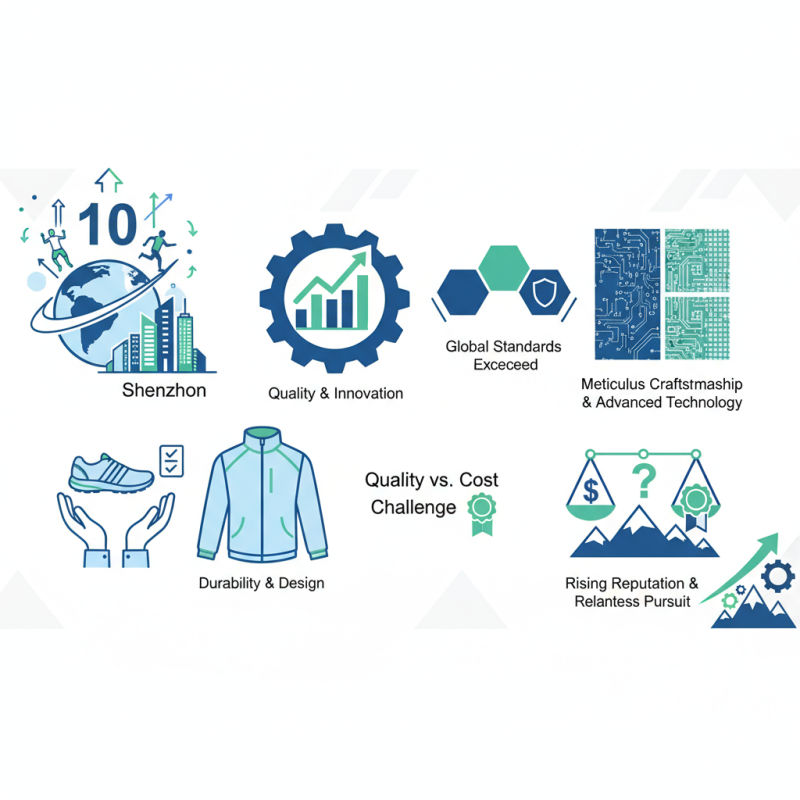
In the bustling world of sportswear manufacturing, Shenzhen has carved a niche known for quality and innovation. Experts recognize this city as a hub for "Shenzhen Achieve Sportswear." Jack Wang, a renowned figure in the sportswear industry, emphasizes, "Quality is non-negotiable when it comes to sportswear from Shenzhen."
The products coming from this dynamic region not only meet global standards but often exceed them. Buyers from around the world seek these top 10 brands for their durability and design. The meticulous craftsmanship and advanced technology make Shenzhen Achieve Sportswear highly coveted.
However, the journey toward achieving such high standards does come with challenges. Not every manufacturer manages to balance quality with cost. This fact brings a level of reflection on the importance of selecting the right supplier. Thus, Shenzen's reputation for sportswear continues to rise, driven by relentless pursuit and occasional setbacks.
Overview of Shenzhen's Sportswear Industry and Its Global Impact
Shenzhen's sportswear industry has rapidly evolved into a global hub for quality manufacturing. In 2022, it accounted for approximately 30% of China's total sportswear exports. This growth has been fueled by innovations in materials and manufacturing processes. Sustainable practices are becoming essential, with 45% of companies adopting eco-friendly methods by 2023.
The complex supply chain in Shenzhen supports various brands and retailers. Data shows that production costs in Shenzhen are around 20% lower than in other major cities. Despite this, challenges remain. Some manufacturers struggle with inconsistent quality and supply chain disruptions. Balancing quality and cost-effectiveness is a pressing issue for many stakeholders.
Consumer trends are shifting towards high-performance and stylish sportswear. Reports indicate a 15% annual increase in demand for athleisure wear. Brands must adapt quickly to these changes. The competitive landscape demands agility and innovation. This industry needs clearer standards to ensure quality across the board. Aligning production with consumer expectations is vital for future success.
Shenzhen Sportswear Export Volume by Category (2023)
Criteria for Evaluating Quality Sportswear Brands from Shenzhen
When evaluating quality sportswear brands from Shenzhen, specific criteria come into play. First, material performance is crucial. Reports show that high-quality sportswear should utilize moisture-wicking fabrics. These materials can enhance comfort and aid in athletic performance.
Manufacturing quality must also be considered. A reliable brand ensures that their garments undergo rigorous testing. For instance, products should meet international standards for durability and longevity. According to a market study by Statista, 72% of consumers prioritize durability when purchasing sportswear. This data underlines the importance of quality in consumer decision-making.
Another critical aspect is the design and innovation. Effective sportswear often integrates ergonomic designs that support movement. However, some brands miss the mark on fit and comfort. Consumers frequently report discomfort due to poor design choices. Additionally, sustainability is becoming vital. Many global buyers are now looking for eco-friendly materials. Brands need to reflect on their environmental impact. Thus, while Shenzhen offers quality options, careful evaluation of these aspects can lead to better purchasing choices.
Top 10 Shenzhen Sportswear Brands: Features and Innovations
Shenzhen has established itself as a hub for athletic wear, blending innovation with quality. Recent reports indicate that the global sportswear market is expected to reach $400 billion by 2027. Shenzhen's brands are becoming key players, driven by advanced technology and unique design features. Many companies focus on sustainability, using eco-friendly materials to attract environmentally conscious consumers.
One notable trend is the incorporation of smart textiles. These innovations enhance performance while ensuring comfort. High-quality moisture-wicking fabrics are now standard, providing athletes with optimal conditions. Furthermore, some brands have experimented with 3D printing, allowing customization in fit and design. This not only improves performance but also caters to personal style.
However, with rapid growth comes challenges. Not all brands consistently maintain high standards. Some products may lack durability, leading to customer dissatisfaction. A recent survey revealed that 30% of consumers have encountered quality issues. This indicates a need for more stringent quality control measures within the industry. Overall, Shenzhen's sportswear sector is on the rise but must address these critical issues to sustain its momentum.
Sustainability Practices in Shenzhen's Sportswear Manufacturing
Shenzhen's sportswear manufacturing sector increasingly emphasizes sustainability. Companies are adopting eco-friendly materials and production methods. This shift is driven by a growing demand for high-quality, environmentally conscious products. Many manufacturers now prioritize recycled fabrics. These innovations reduce waste and lower the carbon footprint.
However, challenges persist. Sourcing sustainable materials can be costly. Not all suppliers meet stringent environmental standards. This inconsistency can hinder overall sustainability goals. Manufacturers must navigate complex supply chains. Transparency is key. Buyers want assurance that their products are ethically produced.
The push for sustainability is a journey. Many companies experiment with new technologies. This includes waterless dyeing processes and energy-efficient equipment. Progress can be slow, but the impact is significant. Continuous improvement is necessary to meet global expectations. Shenzhen's future in sportswear depends on balancing quality and sustainability.
How Global Buyers Can Source Quality Sportswear from Shenzhen
Sourcing quality sportswear from Shenzhen requires a strategic approach. Shenzhen is a hub for textiles and manufacturing, with over 1,800 companies specializing in apparel. In 2022, the global activewear market was valued at around $353 billion. This figure is projected to reach $500 billion by 2026. Such growth indicates high demand for quality sportswear, making Shenzhen an optimal sourcing location.
Understanding quality is vital. Look for manufacturers that prioritize sustainable materials and ethical practices. In a recent survey, 56% of global buyers emphasized sustainability as a key factor in purchasing decisions. Selecting companies that align with these values can strengthen brand reputation. Ask about certifications like ISO and OEKO-TEX to ensure quality assurance.
Tip: Communicate directly with suppliers. Establishing rapport can lead to better collaboration and clearer expectations. Also, visiting factories in Shenzhen offers insights into quality control processes. Many buyers find that firsthand experience improves their sourcing decisions.
Another consideration is lead time. Inadequate timelines can cause issues in inventory and delivery. Reports indicate that 37% of buyers encounter delays in sourcing. Building a buffer into your timeline can alleviate stress. It's essential to balance quality with speed to meet market demands.