Discover Potassium Humate Benefits at China Import Export Fair?
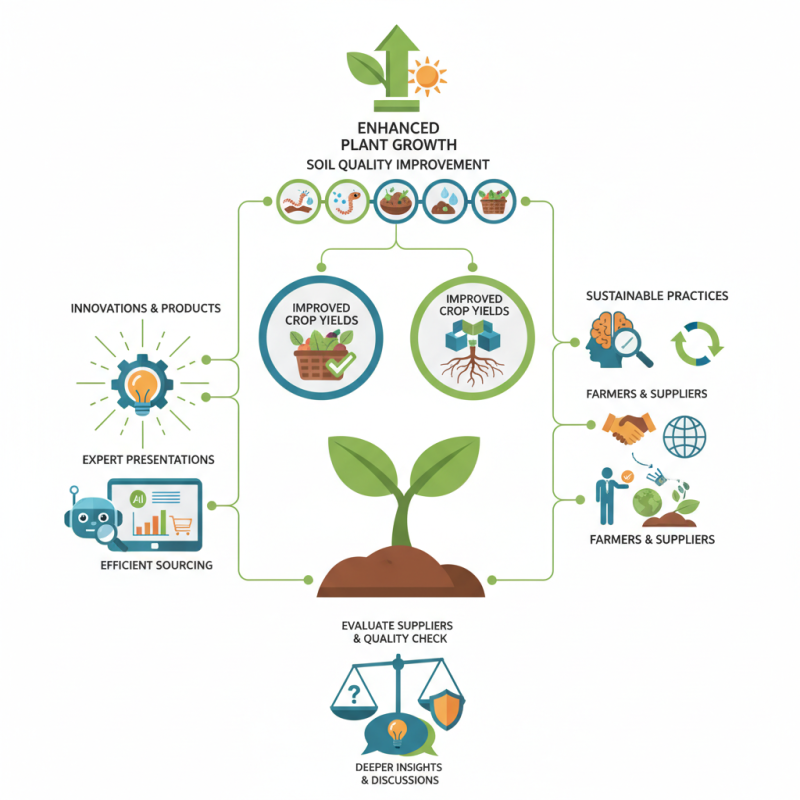
The upcoming China Import Export Fair offers a unique platform to explore Potassium Humate Benefits. This natural substance plays a significant role in agriculture, enhancing soil quality and promoting plant growth. With increasing awareness of sustainable practices, Potassium Humate captures attention from farmers and suppliers alike.
During the fair, attendees can witness innovations and products centered around Potassium Humate. Experts will present practical applications and results. This may include improved crop yields and better soil structure, appealing to environmentally conscious growers. The adoption of Potassium Humate is not without challenges, such as understanding its precise usage and dosage.
As the fair introduces advanced technologies like AI for streamlined navigation, potential buyers can efficiently find exhibitors related to Potassium Humate. This creates opportunities for smarter purchasing decisions. However, it remains crucial to evaluate suppliers thoroughly to ensure quality and authenticity. Engaging discussions at the fair will likely lead to deeper insights into the benefits and limitations of this compound.
Benefits of Potassium Humate in Agriculture and Horticulture
Potassium humate is gaining attention in agriculture and horticulture. This natural product acts as a soil conditioner, enhancing nutrient uptake. Research shows that it increases crop yield by up to 30%. Farmers are looking for ways to boost production sustainably. Potassium humate can play a key role in this shift.
The benefits extend beyond just yield. It improves soil structure and water retention. In a recent study, soils treated with potassium humate showed a 20% increase in moisture retention. This is crucial in drought-prone areas. The application can lead to healthier plants that are more resistant to pests. However, many still question the long-term outcomes of its use.
Despite its advantages, there are challenges. Not all farmers understand how to apply it effectively. Misuse can lead to inconsistent results. To maximize its benefits, education is necessary. The market for potassium humate is still developing. More research is needed to establish best practices. Cultivating knowledge around this product may unlock its full potential in agriculture and horticulture.
Potassium Humate's Role in Soil Health Improvement
Potassium humate plays a vital role in improving soil health. It is derived from leonardite, a natural source rich in organic matter. Research indicates that potassium humate can enhance soil structure. This results in better aeration and water retention. A study published by the Journal of Soil Science found that it can increase soil organic carbon by up to 17%. This is significant for sustainable agricultural practices.
In addition, potassium humate promotes microbial activity. Beneficial microbes thrive in its presence. This leads to enhanced nutrient cycling in the soil. A report from Agronomy Journal showed that applying potassium humate can increase microbial biomass by 30%. This boost in microbial life improves nutrient availability for plants. However, while the benefits are clear, farmers may find it challenging to integrate it into existing practices.
Industry studies have shown inconsistent results based on soil types and environmental conditions. Some farmers question its cost-effectiveness. It is essential to evaluate the local soil conditions before deciding on its use. The potential benefits are immense, yet they need careful consideration and adaptation.
Discover Potassium Humate Benefits at China Import Export Fair
| Benefit | Description | Impact on Soil Health | Usage Rate |
| Nutrient Release | Enhances the release of essential nutrients | Improves fertility and soil nutrient levels | 5-10 kg/ha |
| Soil Structure | Improves soil aggregation and texture | Enhances aeration and water retention | 10-15 kg/ha |
| pH Balance | Helps in reducing soil acidity | Promotes better nutrient availability | 5-7 kg/ha |
| Microbial Activity | Stimulates beneficial microbial populations | Enhances organic matter decomposition | 15-20 kg/ha |
Applications of Potassium Humate in Crop Production
Potassium humate has garnered attention for its role in crop production. This organic compound enhances soil health and improves nutrient uptake. Farmers using potassium humate often notice healthier plants and higher yields. The compound is a natural soil conditioner. It increases the soil’s capacity to hold water, promoting better growth even in dry conditions.
Tips for using potassium humate effectively: Apply it during the early growth stages of crops. This timing ensures that young plants benefit from its nutrient-rich properties. Mixing it with water can enhance absorption. Ensure the mixture is even to prevent uneven application.
Farmers may sometimes misuse potassium humate. Overapplication can lead to nutrient imbalance. It’s crucial to test soil regularly. Understanding soil requirements is vital for effective use. Some products may not deliver promised results. It’s essential to research and choose wisely. Each crop has unique needs, and one size does not fit all.
Economic Advantages of Using Potassium Humate for Farmers
Potassium humate has emerged as a significant input for farmers looking to enhance crop productivity. Reports indicate that using potassium humate can increase yields by 10% to 30%. This is especially crucial in regions where soil fertility is declining. Farmers can benefit from the improved nutrient uptake that potassium humate promotes. It helps in enriching the soil structure, which leads to healthier plants.
Additionally, the economic advantages are noteworthy. A study reported that farmers using potassium humate in their fertilization strategy saw a return on investment of around 300%. This means that for every dollar spent, farmers gained three times that amount in crop value. These savings are essential as input costs rise globally.
However, not all farmers are aware of these benefits. Some express concerns about the cost of integrating potassium humate into their operations. This hesitation can limit their ability to improve soil health. Adopting new solutions in agriculture requires careful consideration. There’s a need for more information and education on best practices in using potassium humate. By addressing these gaps, farmers can make informed decisions that lead to sustainable growth and productivity.
Economic Advantages of Using Potassium Humate for Farmers
This chart illustrates the benefits of using potassium humate in agriculture, showcasing the average yield increase and cost savings for farmers who use this organic amendment compared to conventional methods.
Overview of Potassium Humate Products at China Import Export Fair
The China Import Export Fair is a significant event for discovering potassium humate products. Potassium humate is gaining attention for its various applications in agriculture and gardening. Farmers and suppliers come together to explore innovative ways to utilize this organic compound.
Multiple exhibitors showcase potassium humate in different forms, including powders and granules. These products are known for enhancing soil fertility and improving plant growth. Visitors can see firsthand how potassium humate improves nutrient uptake in plants. It's fascinating yet crucial to review the effectiveness of these offerings.
However, not all potassium humate products are created equal. Some may lack the desired purity or effectiveness. This discrepancy emphasizes the need for careful selection and assessment. Engaging in discussions with producers can help users make informed choices. The fair serves as a platform to connect and learn, but critical thinking remains essential.