Top 10 Packing Machine Tips for Efficient Production?
In the fast-paced world of manufacturing, efficiency is key. The use of advanced Packing machines plays a vital role in optimizing production lines. According to a report by Smithers Pira, the global packaging machinery market is projected to reach $50 billion by 2025, highlighting the increasing reliance on these machines. Properly utilized, packing machines can significantly reduce labor costs and minimize product waste.
However, many companies overlook the importance of maximizing the potential of their packing machines. Mistakes in operation can lead to delays and inefficiencies. For instance, a 2022 study by Deloitte found that 39% of businesses faced production slowdowns due to improper packing processes. This indicates a pressing need for manufacturers to adopt best practices.
In light of these challenges, understanding effective packing machine strategies is essential. By implementing the right techniques, manufacturers can enhance productivity and quality while reducing downtime. These practices are not just about technology; they involve the alignment of processes and personnel. As we explore the top packing machine tips for efficient production, we will uncover practical insights that aim to transform operations and achieve sustainable growth.
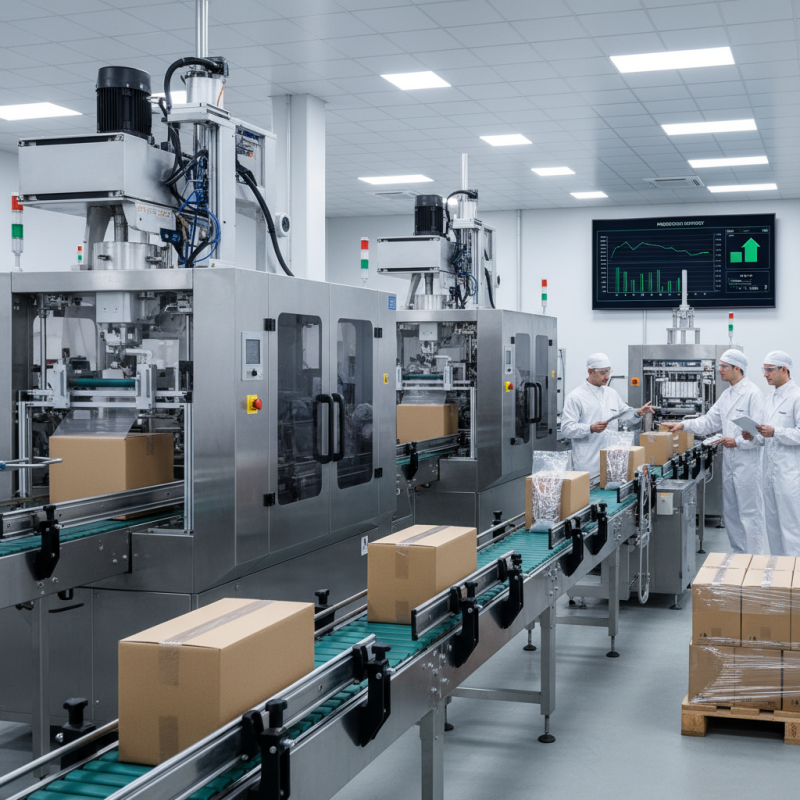
Selecting the Right Packing Machine for Your Production Needs
Choosing the right packing machine is crucial for any production line. Assess the specific products you need to pack. Different products require different machines. For instance, liquids need machines designed to avoid spills. Solid items may require different configurations to ensure secure packing.
Consider the speed of the machine. An efficient machine accelerates production, but it shouldn't compromise quality. Fast machines can sometimes lead to errors if not calibrated correctly. Regular maintenance checks can help spot issues before they become significant problems.
Don’t overlook the size of the machine. It should fit your production floor without hindering workflow. A compact machine can save space but may limit capacity. On the other hand, a large machine could increase output but may be impractical in a smaller facility. Finding the right balance is essential for optimum performance.
Understanding Packaging Materials for Optimal Efficiency
Packaging materials play a crucial role in efficient production. The right choice can enhance speed and reduce waste. According to a recent report from Smithers Pira, improper packaging can increase costs by up to 25%. Understanding material properties is essential for optimal results.
Using lightweight materials can significantly speed up the packing process. Make sure to evaluate the balance between protection and weight. Utilizing biodegradable options can also improve brand perception. Many consumers value sustainability and may choose your product over competitors.
Consider pre-made packages for high-volume items. They save time and ensure consistency. Regularly test materials for durability to avoid unexpected product damages. Remember, ensuring efficiency sometimes means admitting that current practices may not be optimal. Always seek feedback to improve processes.
Regular Maintenance Practices to Enhance Packing Machine Performance
Regular maintenance practices are crucial for optimizing packing machine performance. According to a study by the Packaging Machinery Manufacturers Institute (PMMI), effective maintenance can boost machine efficiency by 20% or more. When machines are not regularly serviced, they can become less reliable, leading to decreased production rates and increased downtime.
Simple maintenance tasks, like cleaning, lubrication, and inspection, can significantly extend machinery lifespans. For example, nearly 30% of packing machine failures can be traced back to inadequate lubrication. Operators should establish a routine maintenance schedule. It’s vital to document findings during inspections. This allows for trend analysis over time and identifies potential issues before they escalate.
Despite the benefits, many facilities neglect maintenance due to time constraints. In a recent survey, 40% of respondents admitted they prioritize production over maintenance. This short-sighted approach can lead to costly repairs down the line. Engaging staff in maintenance training can enhance awareness and responsibility, fostering a culture of proactive machine care. Regular maintenance isn’t just about keeping machines running; it’s about sustaining efficient production in the long run.
Implementing Automation for Streamlined Packing Processes
Implementing automation in packing processes can significantly enhance efficiency and reduce errors. Many businesses still rely on manual packing, which can lead to inconsistencies and delays. By utilizing automated packing machines, companies can streamline workflows and improve output quality.
Automated systems increase speed. With faster packing times, production capacity expands. For example, a single machine can handle thousands of packages per hour. Think about the savings in labor costs and time. However, integrating these systems requires careful planning. Many companies face challenges with initial setup and maintenance. Understanding how to train staff on new technologies is crucial.
It’s essential to regularly check and maintain equipment. Downtime during production can lead to significant losses. Incorporating predictive maintenance can minimize unexpected failures. Additionally, data analysis from automated systems can highlight areas needing improvement. Insights gathered often lead to better packing strategies and enhanced overall performance. Consider the feedback from workers. Their insights can be invaluable in refining automated processes.
Training Staff on Best Practices for Operating Packing Machinery
Training staff on best practices for operating packing machinery is essential for smooth production. Proper training ensures that employees know how to handle machinery safely and efficiently. Start by providing hands-on training sessions. This allows staff to familiarize themselves with the equipment and understand its functions better.
Use simple language and clear demonstrations during training. Break down complex processes into manageable steps. For instance, explain how to load products into the machine. Show the appropriate settings and adjustments required for different products. Encourage questions throughout the training. This interaction fosters a learning environment where staff feel comfortable discussing concerns.
Regularly revisit training materials and methods. Gather feedback from employees about the training process. If certain areas are unclear, adjust the content accordingly. Continuous improvement is vital for maintaining efficiency. Staff can only perform well if they feel confident in their roles. Keep in mind that not every employee will learn at the same pace. Tailoring training sessions to accommodate different learning styles may enhance retention.
An effective training program can lead to significant reductions in downtime and waste. It also promotes a culture of safety and accountability among employees. Emphasizing these values during training sessions can help create a more productive workplace.
Top 10 Packing Machine Tips for Efficient Production