How to Master Cobalt Electroplating for Optimal Results?
Cobalt electroplating is a vital process in various industries. This method enhances the durability and appearance of metal surfaces. Many manufacturers rely on it for its excellent corrosion resistance and attractive finish. However, mastering cobalt electroplating presents challenges that require expertise.
Understanding the chemistry behind cobalt electroplating is essential. The process involves careful control of parameters such as temperature and pH levels. Even minor adjustments can lead to significant differences in outcomes. Precision is key, as poor practices can result in uneven coatings or insufficient adherence.
While cobalt electroplating offers benefits, it demands attention to detail. Many newcomers struggle with achieving optimal results. The quest for perfection can lead to frustration. Reflecting on past mistakes is crucial for growth. Embracing a mindset of continuous improvement can help you master this intricate art.
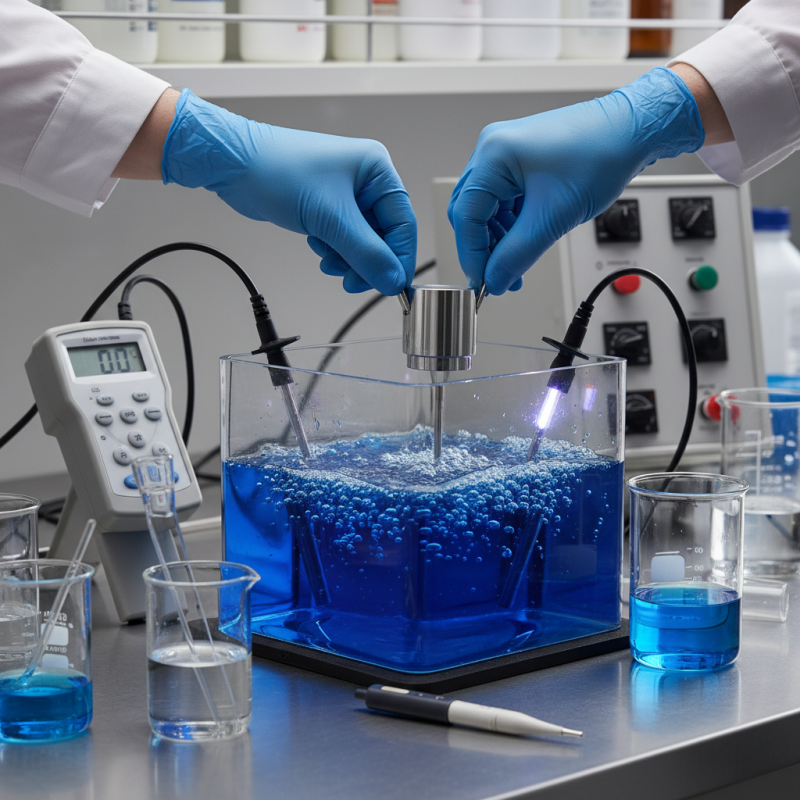
Understanding the Basics of Cobalt Electroplating Technology
Cobalt electroplating is a complex yet crucial process in various industries. This method is primarily used for adding a layer of cobalt onto surfaces, enhancing properties like hardness and corrosion resistance. According to recent industry reports, cobalt's electroplated coatings have shown up to a 35% increase in wear resistance compared to traditional nickel coatings. This makes cobalt an attractive option for applications in aerospace and automotive sectors.
Understanding the basics of cobalt electroplating technology involves grasping the importance of bath composition and temperature. The electrolyte's pH level significantly influences the quality of the deposit. For instance, a bath maintained at a pH between 8.0 and 9.0 typically produces a smoother, more uniform finish. However, achieving perfect results is challenging, as factors like current density and agitation can lead to defects such as pitting or roughness. Industry experts emphasize that maintaining the right balance in these variables is essential for successful outcomes.
Cobalt's unique properties also mean challenges must be addressed. Some electroplating facilities report difficulties in maintaining consistent results across large batches. Variations in substrate surface preparation can lead to uneven coatings. It’s crucial for operators to monitor conditions closely and adapt practices based on immediate results. Continuous training on new technologies could help mitigate these issues. Understanding these fundamentals provides a solid foundation for mastering cobalt electroplating and ensuring optimal results.
How to Master Cobalt Electroplating for Optimal Results?
| Parameter |
Optimal Value |
Effects on Quality |
| pH Level |
4.5 - 5.0 |
Affects the brightness and adhesion of the coating |
| Temperature |
50 - 60°C |
Influences deposition rate and hardness of the coating |
| Current Density |
2 - 4 A/dm2 |
Determines coating uniformity and thickness |
| Cobalt Concentration |
30 - 50 g/L |
Affects the mechanical properties of the deposit |
| Additives |
Brighteners and Levelers |
Enhance surface finish and reduce defects |
Key Equipment and Materials Needed for Cobalt Electroplating
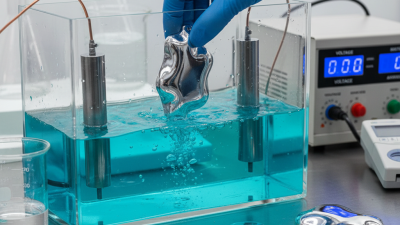
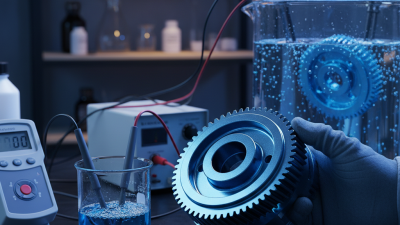
Cobalt electroplating requires specific equipment and materials to achieve optimal results. The essential items include a robust electroplating setup, cobalt salts, and additive agents. The primary electrolytic bath often contains cobalt sulfate and cobalt chloride, which are crucial for deposition quality. Proper pH levels and temperature control are also significant for successful plating.
Having a reliable power supply is vital. Current density plays a key role in the plating process. Typical values range from 2 to 14 A/dm², depending on the bath composition and desired coating properties. A balanced current ensures a smooth finish.
**Tip:** Regular monitoring of your bath solution can help maintain the right chemical balance. Implementing filtration systems can also reduce impurities, which could lead to defects in the plating.
For an efficient workspace, consider a ventilation system. Cobalt can release gases that are harmful when inhaled. Safety equipment, such as gloves and goggles, protects you from potential risks during the electroplating process.
**Tip:** Documentation of your plating process can highlight areas needing improvement. Keeping track of variables can help refine techniques for better outcomes.
Improving your cobalt electroplating skills requires patience and practice. Each electroplating process may show different results. Observing and adjusting your methods is part of mastering this intricate art.
Step-by-Step Process for Effective Cobalt Electroplating
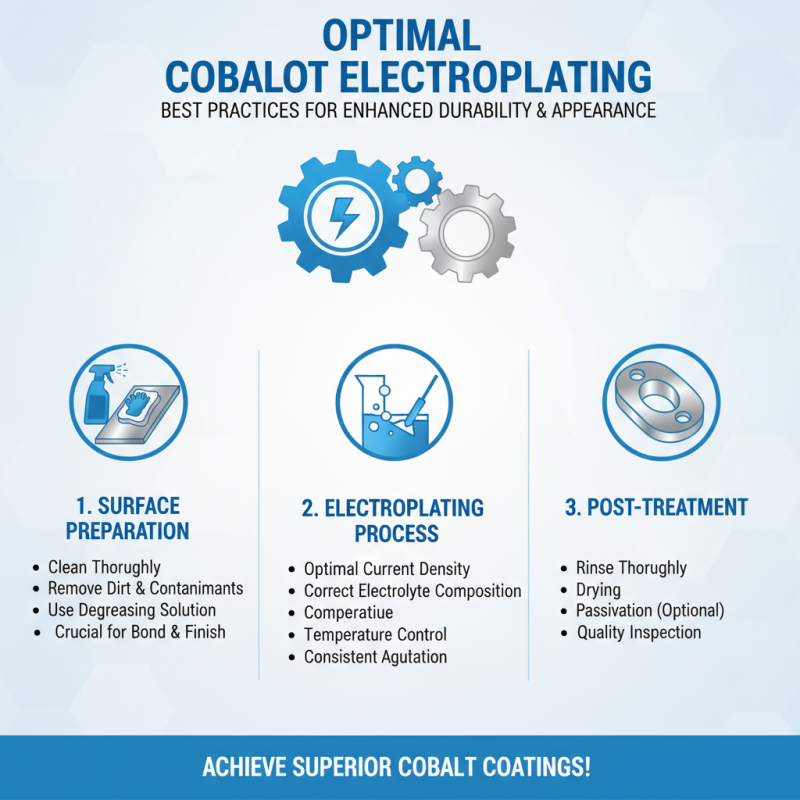
Cobalt electroplating is a precise process that requires attention to detail for optimal results. Start by preparing your substrate. Ensure it's clean and free of contaminants. This step is crucial, as even slight impurities can affect the adhesion of the cobalt layer. A study from the Electroplating Technical Association indicates that proper cleaning can improve bond strength by up to 30%.
Next, set up your plating solution. A typical cobalt bath includes cobalt sulfate, ammonium sulfate, and boric acid. Keep an eye on the pH levels and temperature. According to the Journal of Surface Engineering, maintaining the pH between 4.5 and 5.5 ensures a more uniform deposit. Regular monitoring is essential. Even small fluctuations can lead to inconsistent plating thickness.
During the actual electroplating, pay attention to the current density. Research shows that an optimal current density of 3-5 A/dm² leads to better deposition rates and smoother surfaces. However, achieving this is not always straightforward. If the current density is too high, you might face issues like poor adhesion and burning. Reflections on previous projects often reveal that patience and precision during this step yield the best outcomes.
How to Master Cobalt Electroplating for Optimal Results
Common Challenges and Troubleshooting in Cobalt Electroplating
Cobalt electroplating can yield high-quality finishes, but it’s not without its challenges. One common issue is poor adhesion. If the metal surface is not properly cleaned or prepped, the coating may not stick. Use a suitable degreaser and ensure the surface is free from oxidation. Testing adhesion with tape can help verify the quality of the coating.
Another common problem is brittle deposits. If the bath chemistry is off, it can affect the hardness of the plated layer. Ensure that the pH and metal ion concentration are properly balanced. Regular analysis of the bath can prevent this issue. Environmental factors, like temperature fluctuations, can also lead to inconsistent results. Maintaining a stable process environment will yield better outcomes.
Finally, bubbles can form during plating, leading to an uneven finish. This often occurs when the current density is too high or when there are impurities in the bath. Adjusting the current and ensuring the solution is filtered can mitigate this problem. It’s crucial to embrace these challenges and adjust techniques continually. Reflecting on these nuances allows for improved precision in cobalt electroplating.