Why Use Household Insecticides for Effective Pest Control?
In today's homes, pests are a common nuisance. These invaders can disrupt daily life and pose health risks. Many people turn to household insecticide for quick solutions. These products offer an effective way to manage pests, but they come with their own challenges.
Using a household insecticide helps control infestations. It can target ants, roaches, and flies efficiently. However, users must be cautious. Improper application can lead to harmful exposure. The effectiveness of these sprays often depends on the specific pest. Not every insecticide will suit every situation.
Homeowners should reflect on their choices. Is the insecticide safe for children and pets? Are these chemicals impacting the environment? Balancing effectiveness and safety is essential. While household insecticides can provide immediate relief, responsible use is crucial for long-term pest control solutions.
The Importance of Household Insecticides in Pest Management
Household insecticides play a crucial role in pest management. They offer targeted solutions for various household pests, such as ants, cockroaches, and mosquitoes. According to the National Pest Management Association, 84% of U.S. households deal with pests annually. Effective pest control helps maintain hygiene and protects family health.
Using insecticides can swiftly reduce pest populations. These products are often designed for specific pests. This focused approach minimizes unnecessary chemical use and can reduce exposure risks. However, improper application may lead to ineffective results. It's important to follow instructions carefully. Misuse might also harm beneficial insects.
Tip: Always conduct a thorough inspection before applying insecticides. Identify the pests accurately to choose the right product. Ensure proper ventilation during application. Keep pets and children away from treated areas.
Not all insecticides are harmless. Over-reliance on them can lead to resistant pest populations. Some studies suggest pest resistance can increase by up to 30% in heavily treated areas. Integrating insecticides with other pest management strategies can be more effective. This includes regular cleaning and sealing entry points to your home.
Tip: Rotate between different classes of insecticides to prevent resistance buildup. Regularly updating your pest management approach is vital for long-term effectiveness.
Types of Household Insecticides and Their Uses
Household insecticides come in various forms, each designed for specific pests. Aerosols are popular for quick applications. They can target ants, roaches, and flies effectively. Their fast-acting nature makes them ideal for sudden infestations. Using an aerosol spray can provide immediate relief but may require careful application to avoid overspray.
Liquid insecticides, on the other hand, offer longer-term solutions. They can be diluted and applied around the home. This type works well against termites and other wood-destroying insects. Homeowners should pay attention to the areas where these pests frequently appear. Missing a spot may lead to re-infestation, a common pitfall.
Bait stations are another option. They attract pests to a toxic substance. These are useful for controlling populations of ants and cockroaches. However, some may not be as effective if not placed correctly. Keeping track of their placement is crucial. Otherwise, their effectiveness diminishes. Understanding the trade-offs between these options is key for better pest control outcomes.
Types of Household Insecticides and Their Effectiveness
Effectiveness of Insecticides Compared to Other Pest Control Methods
Household insecticides are known for their rapid effectiveness in pest control. According to the Environmental Protection Agency, approximately 20% of U.S. households use some form of insecticide annually. They act quickly, targeting pests in just hours. This immediacy is crucial, especially during pest outbreaks. In contrast, natural methods might take weeks to show results.
Chemical insecticides usually penetrate surfaces better than traps or barriers. A study by the University of Florida found that sprays can reduce insect populations by up to 90% within days. However, there are downsides. Over-reliance on these chemicals can lead to resistance in pest populations. Some pests no longer respond to commonly used insecticides, making future control efforts more challenging.
Insecticides can also pose risks to non-target species. Pets and beneficial insects may suffer exposure. Data suggests that about 30% of pesticide-related incidents involve household pets. Proper application and awareness are key. Users must read labels carefully to avoid misuse. Balancing immediate results with long-term effects requires thoughtfulness and diligence. This complexity highlights the need for ongoing education in pest management.
Safety Precautions When Using Household Insecticides
Using household insecticides can be an effective way to control pests. However, safety should always come first. Before applying any product, read the label carefully. Follow all instructions and precautions. This step is crucial. Many users overlook it. Each insecticide has specific guidelines for safe use.
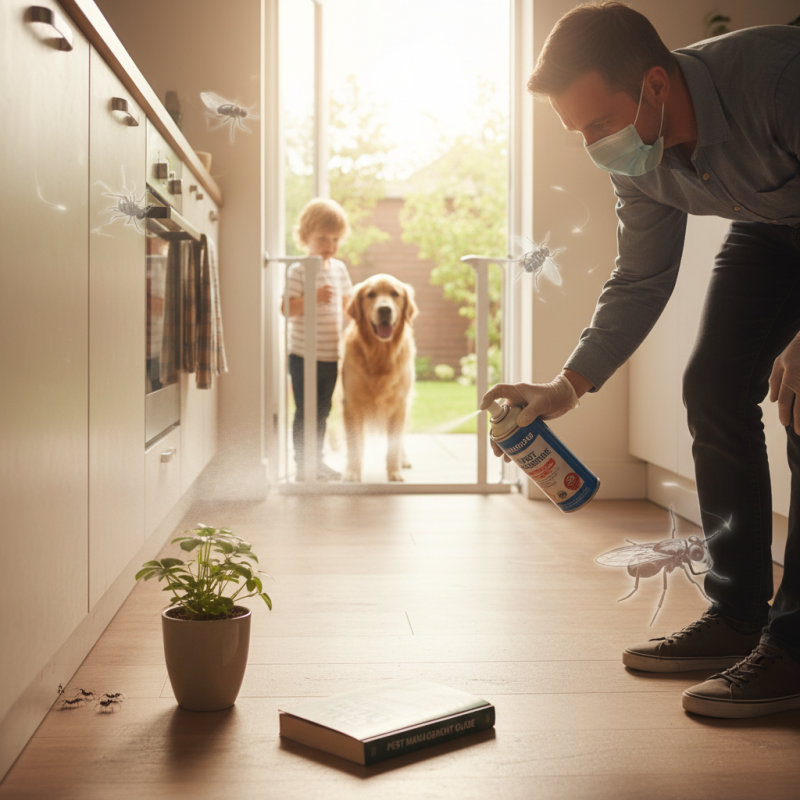
When spraying insecticides, ensure proper ventilation. Open windows and doors to prevent inhalation. Wear protective gear such as gloves and masks. This is often ignored, leading to unintended exposure. Keep children and pets away during application. They are at higher risk. Always store insecticides in a secure location, out of reach. This helps avoid accidental ingestion.
After application, clean surfaces thoroughly. Dispose of empty containers responsibly. Many people forget to check expiration dates. Using expired products can lessen effectiveness. Reflecting on these practices is vital. Small, mindful changes can greatly enhance safety and efficacy.
Impact of Household Insecticides on the Environment and Non-target Species
Household insecticides play a critical role in pest control. However, their impact on the environment and non-target species is significant. Many people may not realize that these chemicals can drift beyond their intended targets. This creates risks for beneficial insects like bees, which are crucial for pollination.
When using insecticides, consider the timing and method. Apply them in the evening when pollinators are less active. This small change can protect valuable species. Always read labels carefully. Some insecticides have a longer residual effect than expected, impacting ecosystems for weeks or months.
It's also crucial to think about alternatives. Natural pest control methods can be effective and less harmful. For instance, introducing ladybugs can reduce aphid populations without chemical intervention. This approach not only helps the environment but also creates a healthier home. Additionally, ensure that you keep insecticides away from water sources. Runoff can harm aquatic life and create wider ecological issues. Balancing pest management with environmental responsibility is key.
Why Use Household Insecticides for Effective Pest Control? - Impact of Household Insecticides on the Environment and Non-target Species
| Pest Type | Common Household Insecticides | Environmental Impact | Impact on Non-target Species | Safety Precautions |
| Cockroaches | Pyrethroids | Potential soil and water contamination | Harmful to aquatic life | Use gloves and masks during application |
| Ants | Boric Acid | Low toxicity, but still poses risks | Can affect beneficial insect populations | Keep out of reach of pets and children |
| Termites | Fipronil | Persistent in the environment | Toxic to bees and other non-target insects | Proper ventilation required during use |
| Mosquitoes | DEET | Potential bioaccumulation in water bodies | Can affect amphibians and fish | Apply in well-ventilated areas |