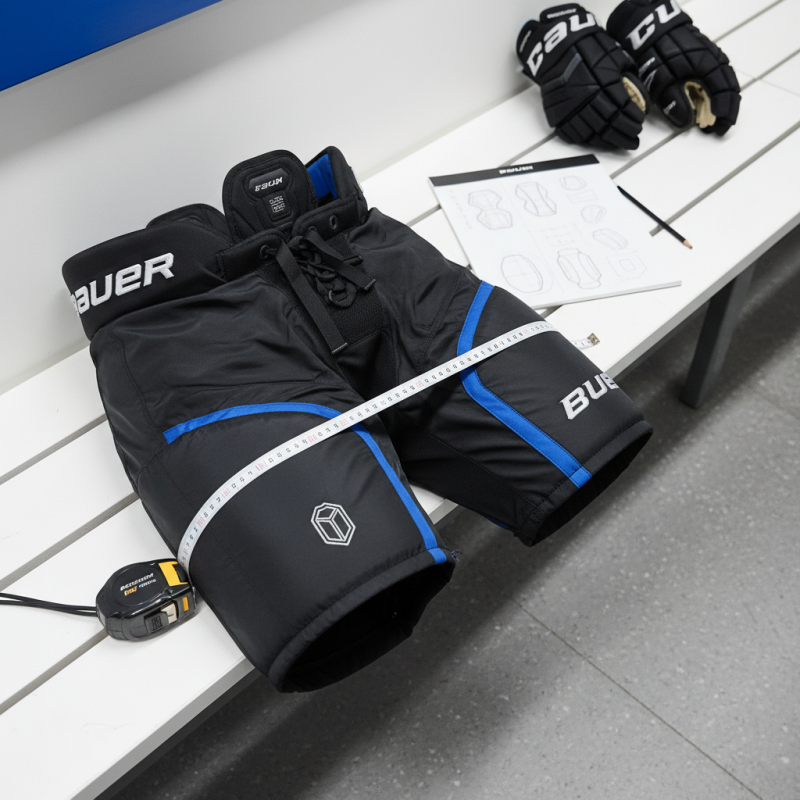
Best Hockey Pants Tips for Selecting the Right Fit
Choosing the right hockey pants is crucial for performance and safety on the ice. The "Best Hockey Pants" provide not just comfort but also vital protection. Each player has unique needs based on their position and style of play. This makes finding the best fit a challenge.
Many players overlook the importance of proper sizing. Ill-fitting pants can hinder movement and lead to potential injuries. Measuring your waist and thigh circumference is essential. Options may seem overwhelming, with varying styles and features available. However, the right pants can enhance your game significantly.
Investing time in understanding fabric and padding types can pay off. Breathable materials help regulate temperature during intense play. Take a moment to evaluate how well the pants move with your body. A focused approach can lead to better performance and a more enjoyable experience on the rink.
Understanding Hockey Pants: Key Features and Functions
Choosing the right hockey pants is essential for a player's comfort and protection on the ice. Hockey pants serve multiple purposes, from shielding against impacts to offering mobility. Key features to consider include padding, fit, and adjustability. Ensuring proper padding helps prevent injuries during games or practices. Different styles provide varying levels of protection, so it's crucial to evaluate your playing style and needs.
When selecting hockey pants, fit is vital. Pants should fit snugly but allow for movement. If pants are too loose, they may shift during play. If they are too tight, they can restrict movement. Try on several pairs to find the right balance. Additionally, look for pants with adjustable features, such as straps or waistbands. This ensures a tailored fit that accommodates changes in clothing layers or personal preferences.
Tip: Always consider the material of the hockey pants. Lightweight, breathable fabrics can enhance comfort during intense play. Pay attention to seams and stitching, as durable construction ensures longevity. Don't shy away from asking for expert advice in sporting goods stores. They can provide insights tailored to your skill level and playing style. Remember, the right hockey pants contribute significantly to your overall performance on the ice.
Measuring Your Body for the Perfect Hockey Pants Fit
When selecting hockey pants, proper measurement is crucial for achieving a comfortable fit. According to a 2022 survey by the Hockey Equipment Association, 75% of players reported discomfort due to ill-fitting gear. Taking precise measurements helps avoid unnecessary injuries and enhances performance on the ice.
Start by measuring your waist and hip size. Use a cloth measuring tape, as accuracy is essential. Stand straight and breathe normally while measuring. Record the measurement. Many players overlook thigh measurements, yet it’s vital. An ill-fitted thigh area can restrict mobility.
Amateur players often choose hockey pants based on aesthetics rather than fit. In 2021, a study revealed 62% of novice players faced issues because of this oversight. Ensure the pants align with your unique body shape. Remember, the right pair should allow freedom of movement without feeling loose. If pants feel restrictive or off, it’s a sign you might need another size or style.
Choosing the Right Size: A Guide to Hockey Pants Measurements
When selecting hockey pants, choosing the right size is crucial. Measurements matter for comfort and performance. Start by measuring your waist, as it helps to determine your base size. Stand straight and find the natural waistline, just above your hips. Use a measuring tape for accuracy.
In addition to waist size, consider your thigh circumference. This measurement is essential for a snug fit without restricting movement. Sit down and measure around the thickest part of each thigh. If your measurements fall between sizes, opt for the larger option. This provides extra room to maneuver on the ice.
Remember, the fit should allow for layering. Wear a base layer or shorts for additional comfort. Hockey pants must offer flexibility while protecting you during gameplay. Don’t rush this process. Ill-fitting pants can lead to discomfort during long sessions. Take your time, consider your measurements, and trust your instincts when making a choice.
Material and Padding Options: What to Look For in Hockey Pants
When selecting hockey pants, material and padding are vital. Look for durable materials that withstand the wear and tear of the game. Nylon and polyester are common choices. These fabrics offer breathability and moisture-wicking properties. A snug fit is key, but the material should also allow for movement.
Padding is essential for protection. Focus on the areas most impacted by hits, like the hips and thighs. Look for pants with strategic padding placement. Foam padding is lightweight and protective, while hard shell padding adds an extra layer. Remember, padding thickness can affect mobility.
Tips for selecting the right fit include trying on multiple sizes. A perfect fit doesn’t restrict movement. Pay attention to your comfort level while bending and skating. Take the time to assess how the pants feel, especially with equipment underneath. It’s easy to overlook comfort in favor of style, but comfort directly affects performance. Don't rush this decision; your play depends on it.
Best Hockey Pants Tips for Selecting the Right Fit - Material and Padding Options: What to Look For in Hockey Pants
| Feature | Description | Material Options | Padding Options |
| Fit | Comfortable and snug fit that allows for movement | Nylon, Polyester | Foam, Polyethylene |
| Water Resistance | Keeping players dry in wet conditions | Waterproof Coatings, Treated Fabrics | None |
| Ventilation | Prevent overheating during play | Mesh Inserts, Breathable Materials | None |
| Mobility | Freedom of movement while skating | Stretch Fabrics, Athletic Cuts | Removable Padding, Integrated Padding |
| Durability | Resisting wear and tear from play | High Denier Nylon, Reinforced Stitching | High-density Foam |
Tips for Trying On and Testing Hockey Pants Before Purchase
Trying on hockey pants is crucial for a perfect fit. Start by checking the waist size. Make sure it sits comfortably, but not too loosely. Bend and squat to test flexibility. The pants should allow full movement without restriction.
Next, pay attention to padding. Different areas of the pants offer varying levels of protection. Push on the thigh and hip pads to ensure they absorb impact well. If they feel stiff or overly tight, consider a different size. Moving around, skate, or glide to assess comfort during play.
Don’t forget to examine the length. Hockey pants should cover your shin guards adequately. If there’s too much exposed skin, you may need a longer option. Always reflect on how the pants feel during your entire range of motion. A good fit should enhance your game, not hinder it.
Best Hockey Pants Fit Analysis