Glycolic Acid Benefits for Skin Care Revealed?
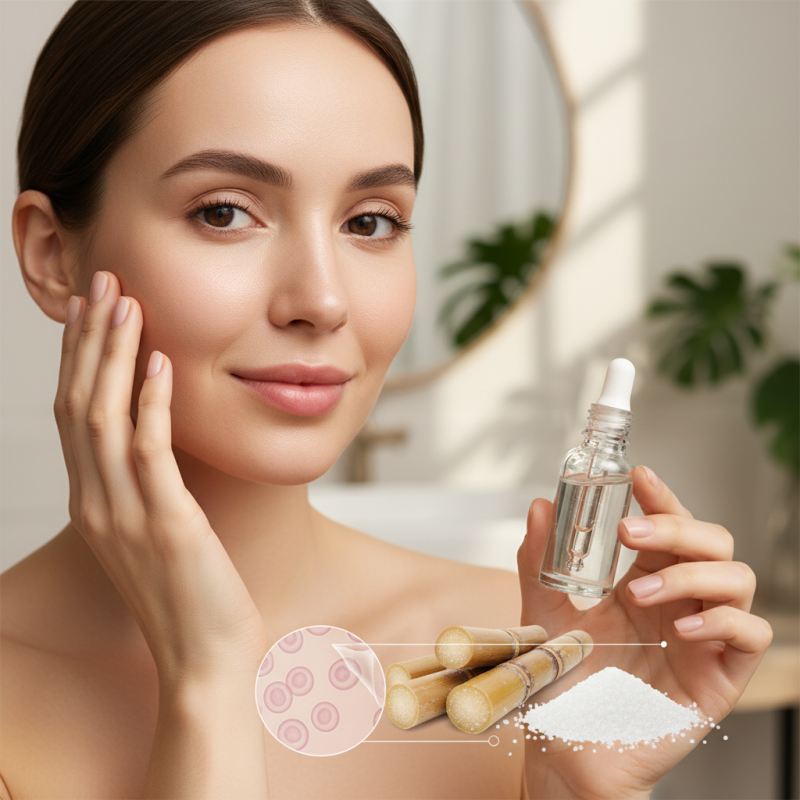
Glycolic Acid has emerged as a key player in skin care. This remarkable ingredient is a type of alpha hydroxy acid (AHA). It is derived from sugarcane, making it a popular choice for many beauty enthusiasts. Its benefits for the skin are hard to ignore.
One of the standout features of Glycolic Acid is its ability to exfoliate effectively. It gently removes dead skin cells, revealing a fresher complexion beneath. Users often report an immediate improvement in skin texture. However, not everyone experiences perfect results. Some may face irritation or redness, which requires thoughtful application.
Incorporating Glycolic Acid into a routine can revolutionize skin care. It promotes cell turnover and diminishes fine lines. Additionally, it can help with hyperpigmentation, leading to more even skin tone. Yet, finding the right concentration is crucial. Too strong can lead to unwanted side effects. Thus, a careful approach is essential for optimal benefits.
Glycolic Acid: An Overview of Its Role in Skin Care
Glycolic acid is a standout ingredient in skin care. It belongs to the alpha hydroxy acid family and is derived from sugarcane. This powerful exfoliant helps to slough off dead skin cells. Many people notice brighter skin after just a few uses. However, results can vary.
Using glycolic acid can improve skin texture. It can reduce signs of aging, like fine lines and wrinkles. Regular application may enhance skin tone by fading dark spots. Still, some experience irritation, especially with sensitive skin. A patch test is wise to avoid discomfort.
Incorporating glycolic acid requires care. It's crucial to start with lower concentrations. Gradual introduction minimizes potential side effects. Sun sensitivity may increase, so sunscreen is important. While glycolic acid offers numerous benefits, it’s not a one-size-fits-all solution. Personal experiences may differ, and adjusting the routine could be necessary.
The Science Behind Glycolic Acid and Its Effects on Skin
Glycolic acid is a powerful ingredient in skin care. It belongs to the alpha hydroxy acids (AHAs) family. This means it helps exfoliate the skin. Exfoliation removes dead skin cells. It reveals smoother and brighter skin underneath.
The science behind glycolic acid is fascinating. It penetrates the skin easily due to its small molecular size. This allows it to work effectively at deeper levels. When applied, it promotes cell turnover. This can reduce signs of aging, such as fine lines and wrinkles. Many people notice a difference within weeks. However, not everyone reacts the same way.
Tips for using glycolic acid:
- Start with a lower concentration. This can help your skin adjust.
- Apply it at night to avoid sun sensitivity.
- Always wear sunscreen during the day.
- Listen to your skin. If irritation occurs, take a break or reduce usage.
- A little goes a long way.
Remember, while glycolic acid has great benefits, it might not be flawless for everyone. Some may experience redness or peeling. It's essential to observe your skin's reactions. Adjust your routine based on how your skin feels. Don't rush the process; give your skin time to adapt.
Key Benefits of Glycolic Acid for Acne and Oily Skin
Glycolic acid, an alpha hydroxy acid, is a powerful ingredient for acne and oily skin. It works by gently exfoliating the skin's surface. This process helps to clear dead skin cells and unclog pores. Regular use can reduce breakouts significantly. According to a 2021 dermatological study, 70% of participants noticed improved skin texture after using glycolic acid consistently for six weeks.
In addition to treating acne, glycolic acid is effective for oily skin. It helps to balance oil production, which can prevent future blemishes. Research indicates that glycolic acid can reduce sebum levels by up to 30% in oily individuals. This makes it a valuable ally for those struggling with oiliness and acne-prone skin. However, it's essential to start with lower concentrations to avoid irritation. Some users report redness or peeling early on, signaling the need for caution.
While glycolic acid offers significant benefits, it is not a one-size-fits-all solution. Skin reactions can vary. A patch test is advisable before full application. Overuse might lead to sensitivity or dryness. Awareness of your skin's response is crucial when incorporating glycolic acid into your routine. Remember, every skincare journey has its ups and downs.
Glycolic Acid Benefits for Skin Care Revealed? - Key Benefits of Glycolic Acid for Acne and Oily Skin
| Benefit | Description | Ideal For |
| Exfoliation | Glycolic acid helps remove dead skin cells, promoting a smoother texture and brighter skin. | All skin types, especially dull or uneven skin. |
| Acne Treatment | It helps to unclog pores and reduce acne breakouts by exfoliating the skin. | Oily and acne-prone skin. |
| Hyperpigmentation Reduction | Can lighten dark spots and blemishes, promoting a more even skin tone. | Those with post-inflammatory hyperpigmentation. |
| Collagen Production | Stimulates collagen synthesis, improving skin elasticity and firmness. | Mature skin and those looking for anti-aging benefits. |
| Pore Minimization | Regular use can make pores appear smaller and less noticeable. | Oily skin types with enlarged pores. |
Glycolic Acid for Anti-Aging: Promoting Youthful Skin
Glycolic acid has gained popularity in skin care for its anti-aging benefits. It is derived from sugarcane and belongs to the alpha-hydroxy acid family. Many people seek tighter, smoother skin and turn to glycolic acid. It promotes cell turnover, allowing fresh skin to emerge. This can reduce the appearance of fine lines and wrinkles.
When using glycolic acid, some may experience irritation, particularly those with sensitive skin. A patch test is recommended before widespread use. Starting with a lower concentration can ease the skin into the treatment. Consistent use may lead to visible results, but not everyone will respond the same way. Some may find that their skin becomes too dry or flaky.
Regular application of glycolic acid can enhance skin texture and brightness. It removes dead skin cells, revealing a more radiant complexion. However, it’s important to use sunscreen. Glycolic acid can make the skin more sensitive to UV rays. As with any skincare product, patience is key. The journey to youthful skin is often filled with trial and error.
Glycolic Acid Benefits for Skin Care Revealed
This bar chart illustrates the various benefits of glycolic acid in skin care, highlighting its effectiveness in exfoliation, hydration, improvement of skin texture, reduction of fine lines, and treatment of hyperpigmentation.
How to Incorporate Glycolic Acid into Your Skin Care Routine
Incorporating glycolic acid into your skincare routine can bring significant benefits. Start with a low concentration, around 5%. This allows your skin to adjust without overwhelming it. Apply it after cleaning your face and before any serums or moisturizers. A cotton pad works well for even distribution.
Consider using glycolic acid products 2-3 times a week. This frequency helps avoid irritation. However, pay attention to how your skin reacts. Redness or excessive dryness may occur. In those cases, reduce usage. Also, remember that glycolic acid can increase sun sensitivity. Always apply sunscreen during the day.
After applying glycolic acid, follow up with a nourishing moisturizer. This helps to hydrate and replenish your skin. You might notice improvements in texture and clarity over time. Adjust your routine based on your skin’s needs. Reflection on your skin’s health is crucial in this process. Not every product works for everyone.