Essential Tips for Sourcing Polyethylene Chlorine Effectively?
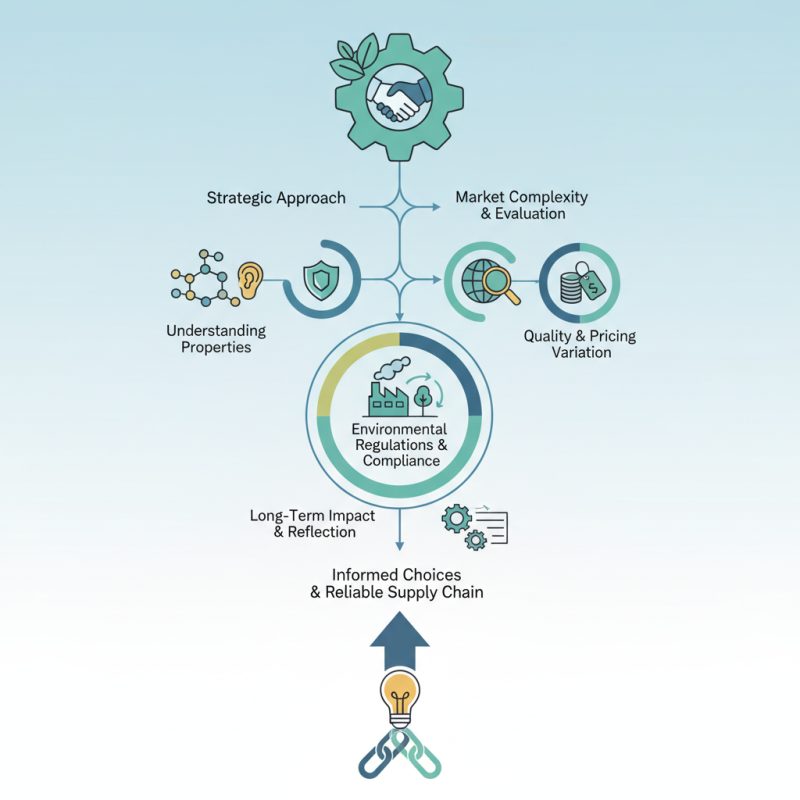
Sourcing Polyethylene Chlorine requires a strategic approach. This chemical compound is widely used in various industries, including agriculture and packaging. Understanding its properties is essential for effective sourcing.
The market for Polyethylene Chlorine can be complex. Different suppliers may offer varying quality and pricing. It’s vital to evaluate each option carefully. Researching the suppliers' reputation matters significantly. Trustworthy partners contribute to smoother transactions.
Additionally, buyers should consider environmental regulations. Compliance is a critical factor in sourcing. Often, sourcing decisions have long-term impacts on business practices. Taking the time to reflect on sourcing strategies is advisable. Being informed leads to better choices. This way, businesses can build a reliable supply chain for Polyethylene Chlorine.
Understanding Polyethylene Chlorine: Properties and Applications
Polyethylene Chlorine, often referred to in various industries, is a versatile compound. Its chemical stability and resistance to moisture make it suitable for numerous applications. This include coatings, adhesives, and sealants, which require durable and waterproof properties. In packaging, it offers excellent barrier protection against gases and moisture, ensuring product integrity over time.
Understanding the properties of Polyethylene Chlorine is vital. It has a low density, making it lightweight yet robust. However, its production process can be complex, and the sourcing may vary based on the required specifications. You need to consider factors like purity levels and varying molecular weights based on its application. Each requirement differs, and it is important to verify the supplier’s credibility.
There may be challenges in sourcing this compound. Fluctuations in material availability and price can impact supply chains. Not every supplier will meet industry standards. Conducting thorough research and establishing reliable connections is crucial. Developing a network of trusted sources can help mitigate risks and ensure consistent quality in your projects. Focus on transparency and build relationships based on trust and reliability.
Essential Tips for Sourcing Polyethylene Chlorine Effectively
This chart illustrates the annual global production of polyethylene chlorine (PVC) and its applications across various sectors. Understanding these data points is crucial for effective sourcing strategies.
Identifying Reliable Suppliers for Polyethylene Chlorine
When sourcing polyethylene chlorine, identifying reliable suppliers is crucial. Start by researching different suppliers and their reputations in the industry. Look for companies with experience and positive customer feedback. Longevity in the market often indicates reliability. Examine their certifications and compliance with industry standards. This adds a layer of assurance regarding the quality of their products.
Another step involves communicating directly with potential suppliers. Ask detailed questions about their sourcing methods and production processes. A knowledgeable supplier should provide transparent information without hesitation. Pay attention to their response time and willingness to engage. If they are unresponsive, it might be a red flag. Additionally, consider visiting their facilities if possible. Seeing operations first-hand can give you insights into their reliability.
Lastly, always seek multiple quotes before making a decision. Don’t just settle for the first option. Comparing pricing and terms can highlight differences in quality and service. Reflect on your findings and trust your instincts when selecting a supplier. The relationship you build now can lead to better sourcing decisions in the future.
Essential Tips for Sourcing Polyethylene Chlorine Effectively - Identifying Reliable Suppliers for Polyethylene Chlorine
| Supplier Location | Supplier Rating | Quality Certifications | Minimum Order Quantity | Lead Time | Price Range (per kg) |
| China | 4.8/5 | ISO 9001, REACH | 100 kg | 2 weeks | $1.50 - $2.00 |
| USA | 4.5/5 | ISO 14001, GMP | 250 kg | 1 week | $2.00 - $2.50 |
| India | 4.6/5 | ISO 9001, FSSC 22000 | 200 kg | 3 weeks | $1.75 - $2.25 |
| Germany | 4.9/5 | ISO 9001, RoHS | 150 kg | 1.5 weeks | $2.10 - $2.70 |
Evaluating Quality Standards in Polyethylene Chlorine Sourcing
Evaluating the quality standards in polyethylene chlorine sourcing is crucial for successful procurement. The properties of polyethylene chlorine can vary significantly based on its grade and production process. According to a recent report by the American Chemistry Council, 30% of suppliers fail to meet basic quality standards. This underlines the necessity of rigorous evaluation during sourcing.
Testing for impurities should be a non-negotiable step. A reliable supplier should provide material safety data sheets (MSDS) and certificates of analysis (COA). These documents ensure that the product meets industrial standards. According to industry benchmarks, a good-quality polyethylene chlorine contains less than 1% impurities. Regular audits of suppliers help in maintaining these standards.
Communication with suppliers is essential. Discussing specific needs can lead to improved sourcing outcomes. However, not every supplier will be transparent about their practices. A lack of clear information often leads to challenges in quality verification. Industry experts suggest that approximately 25% of companies struggle with traceability in their supply chain. Thus, enhancing transparency should be a priority in your sourcing strategy.
Cost Considerations: Budgeting for Polyethylene Chlorine Procurement
When budgeting for polyethylene chloride procurement, understanding the total costs is crucial. This includes raw material prices, shipping fees, and storage expenses. Unexpected costs can arise from regulatory compliance and quality testing, making it essential to allocate funds wisely.
Research is key. Compare prices from multiple suppliers. Materials often vary in quality. A cheaper option may lead to more significant expenses later due to recalls or product failures. It's wise to consider not just upfront costs, but also the long-term impacts on your operations.
Communication with suppliers is vital. Establishing clear expectations can prevent misunderstandings about price hikes or delivery delays. The goal is to build a reliable supply chain, even if it means investing more upfront.
Reflecting on past procurement decisions can provide insights into better budgeting strategies for polyethylene chloride, ultimately leading to a more cost-effective approach.
Best Practices for Negotiating Contracts for Polyethylene Chlorine
Negotiating contracts for polyethylene chloride can be daunting. It’s essential to focus on clear communication. This ensures both parties understand their expectations. Start by outlining your requirements in detail. Be specific about quality, delivery times, and payment terms. This clarity can prevent misunderstandings later.
Research potential suppliers extensively. Look at their industry reputation and past client feedback. Experience counts, so engage with suppliers who have a proven track record. Building relationships is key, but maintain professional boundaries. It’s okay to highlight areas of concern. Discussing them upfront can build trust.
Consider flexibility when negotiating terms. Suppliers may have limitations. Explore options if a supplier cannot meet certain demands. Compromise can lead to mutually beneficial agreements. Documenting every aspect of the contract is crucial. Ensure both parties sign off on every detail. This protects you from future disputes.