10 Essential Tips for Brushed Chrome Plating Success
Brushed chrome plating has emerged as a popular choice for enhancing the aesthetic appeal of various products. According to a recent report from the Metal Finishing Association, the global market for chrome plating is projected to grow by 5% annually over the next five years. This growth reflects the increasing demand for durable and visually striking finishes across various industries, including automotive and consumer electronics.
Industry expert Dr. Sarah Lawson emphasizes the importance of precision in this process. She states, “Achieving a flawless brushed chrome finish requires attention to detail and a deep understanding of metallurgy.” This highlights the complex nature of brushed chrome plating, where even minor variations can lead to unsatisfactory results.
Investing time in preparation and process refinement is essential. The quality of the base material significantly affects the final outcome. Furthermore, not addressing potential flaws early in the process could result in costly rework. By focusing on these critical factors, manufacturers can achieve the desired effects while maintaining high standards of quality.
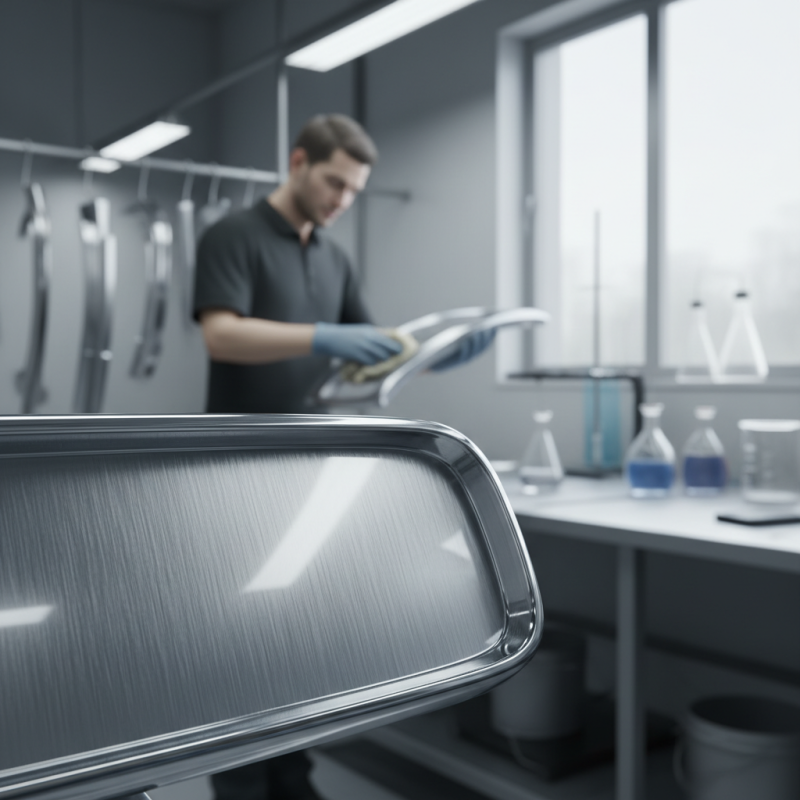
Understanding Brushed Chrome Plating: A Comprehensive Overview
Brushed chrome plating is a popular choice for its aesthetic appeal and durability. This technique creates a distinctive, brushed texture on metal surfaces, making items visually striking while providing corrosion resistance. Reports indicate that the global market for chrome plating is projected to reach approximately $27 billion by 2025, highlighting its significance across various industries.
To achieve successful brushed chrome plating, preparation is key. Ensure the surface is thoroughly cleaned to remove any grease, dust, or rust. Use a fine abrasive to create the desired texture. Many professionals recommend testing the finish on a small area first. This step helps identify potential issues before full implementation.
Furthermore, pay attention to the thickness of the plating. An inconsistent thickness can lead to peeling or chipping. Research suggests that a minimum thickness of 0.5 microns is ideal for optimal durability. Always monitor plating bath chemistry during the process to ensure quality. Adjusting the pH and temperature can greatly impact the final outcome, reminding us that precision is vital in achieving the desired finish.
Essential Tools and Equipment for Successful Chrome Plating
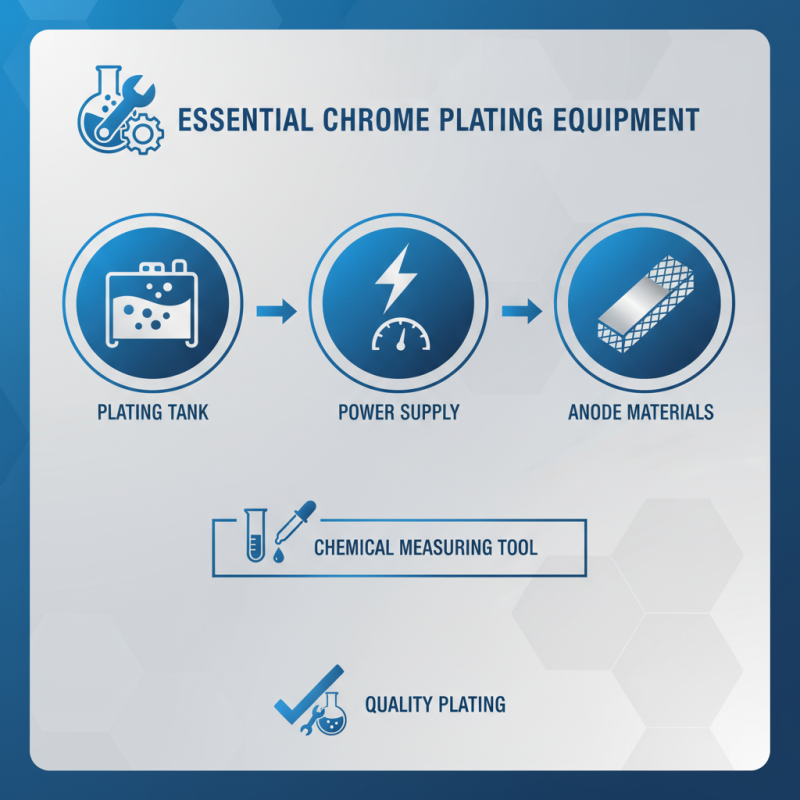
When it comes to successful chrome plating, having the right tools and equipment is crucial. A well-equipped workspace can make or break your plating project. Essential items include a good quality plating tank, power supply, and anode materials. A reliable measuring tool for chemical concentrations is also vital to ensure proper mixture and plating quality.
Beyond the basic tools, you need a robust safety setup. Gloves and goggles should be non-negotiable. Chrome plating involves hazardous materials, so your safety gear is essential to prevent accidents. Consider investing in an efficient ventilation system to keep the workspace breathable. A clean, organized area helps maintain focus and reduces errors during the plating process.
Preparation is key to success. Ensure your surfaces are clean and free from any contaminants. Use abrasive pads or cleaners to prepare the metal. Remember, a flawed surface can lead to poor adhesion. It's also useful to run small test pieces first. This step allows you to adjust your parameters before committing to larger projects. Mistakes are part of the learning process, so keep experimenting.
Step-by-Step Preparation Techniques for Brushed Chrome Surfaces
Preparing surfaces for brushed chrome plating requires careful attention to detail. Begin with a thorough cleaning process. Remove any grease or dirt using a suitable degreaser. A clean surface ensures optimal adhesion. Use a soft cloth or sponge. Avoid abrasive materials that could scratch the surface.
Next, inspect the metal for imperfections. Minor dents and scratches can affect the final finish. Sand the area lightly with fine-grit sandpaper. This helps create a uniform texture. If there are deeper flaws, consider applying a filler. Once everything is smooth, perform another cleaning session to remove dust particles.
After preparation, it's crucial to apply a suitable primer. A solid base will enhance the quality of the chrome plating. Ensure an even application. Too thick or too thin layers can lead to issues later. Remember, achieving that perfect brushed look requires patience. Rushing this process can lead to less desirable results. Continuously evaluate your techniques and make adjustments as necessary.
Common Mistakes to Avoid in the Brushed Chrome Plating Process
Brushed chrome plating is a precise process with common pitfalls. Many practitioners underestimate surface preparation. A clean and properly prepped surface ensures better adhesion. According to industry reports, up to 30% of plating failures originate from inadequate cleaning. This simple yet critical step can save time and material costs.
Another frequent mistake is neglecting the right brushes. The choice of brush can significantly impact the final look. For example, using a brush with overly stiff bristles can lead to scratches. Seek brushes designed for metal to avoid damaging the surface. Many professionals overlook this, leading to more extensive finishing work.
Temperature control during plating can also be a stumbling block. If the environment is too humid or too cold, it can cause defects. A stable environment is essential for optimal results. Remember, the details matter. Minor oversights can lead to major issues, costing time and resources. Stay focused on these aspects to achieve successful brushed chrome plating.
10 Essential Tips for Brushed Chrome Plating Success - Common Mistakes to Avoid in the Brushed Chrome Plating Process
| Tip |
Description |
Common Mistake |
| Clean Thoroughly |
Ensure surfaces are free of dirt and grease. |
Skipping the cleaning step can result in poor adhesion. |
| Use Proper Equipment |
Utilize high-quality, appropriate spraying equipment. |
Using outdated or improper tools can lead to inconsistent plating. |
| Select the Right Material |
Choose suitable metals for chrome plating. |
Plating on unsuitable materials can cause flaking and peeling. |
| Monitor Temperature |
Keep the plating bath at the correct temperature. |
Ignoring temperature can lead to uneven plating. |
| Control Humidity |
Maintain a stable humidity level in the work area. |
High humidity can affect the finish quality. |
| Inspect Before Plating |
Check for defects on the item to be plated. |
Plating over defects can result in a poor finish. |
| Follow Manufacturer Instructions |
Adhere to best practices provided by material suppliers. |
Deviating from guidelines can impact results negatively. |
| Perform Post-Treatment |
Undertake necessary treatments after plating to enhance finish. |
Neglecting this can lead to rust or tarnishing. |
| Test for Thickness |
Measure the thickness of the chrome layer to ensure durability. |
Not measuring can result in insufficient protection. |
| Maintain Equipment |
Regularly service and maintain plating equipment. |
Poorly maintained equipment can lead to inconsistent results. |
Finishing and Maintenance Tips for Long-Lasting Chrome Plated Items
Brushed chrome plating yields a sleek, modern aesthetic. However, maintaining its beauty requires careful attention. To extend the life of chrome plated items, proper cleaning and care are essential. Studies indicate that regular maintenance can improve the longevity of chrome finishes by up to 50%.
Using mild soap and water is crucial. Harsh chemicals can lead to corrosion. A microfiber cloth is ideal for wiping surfaces, preventing scratches. Interestingly, a survey conducted by the Surface Finishing Industry group found that 30% of users neglect basic maintenance. This oversight can diminish the chrome's luster over time.
Temperature fluctuations can also pose risks. Extreme heat or cold may cause the chrome to pit or peel. Keeping chrome items away from direct sunlight and heavy moisture is important. Reflecting on these details, it's clear that even small actions can significantly impact the durability of brushed chrome finishes. Regular inspections for signs of wear can help in timely maintenance and preserve the item’s value.
Brushed Chrome Plating Success Factors