What is DL-Methionine Benefits Uses and Side Effects?
DL-Methionine is an essential amino acid crucial for various bodily functions. It plays a vital role in protein synthesis and is a precursor for important biomolecules. According to a report by the Journal of Nutrition, DL-Methionine supports the immune system and detoxification processes. Many athletes and health enthusiasts appreciate its potential benefits in muscle recovery.
Research indicates that DL-Methionine can enhance mood and energy levels, affecting overall well-being. A study published in BMC Complementary Medicine highlights its role in combating oxidative stress. However, while its benefits are significant, some individuals may experience side effects like gastrointestinal discomfort. It is necessary to be aware of these potential issues when considering supplementation.
While DL-Methionine shows promise, further research is needed to clarify its effects fully. Many users report positive results, yet individual responses vary. People should approach DL-Methionine supplementation with caution, weighing its benefits against possible drawbacks. Making informed decisions is crucial for any health journey.
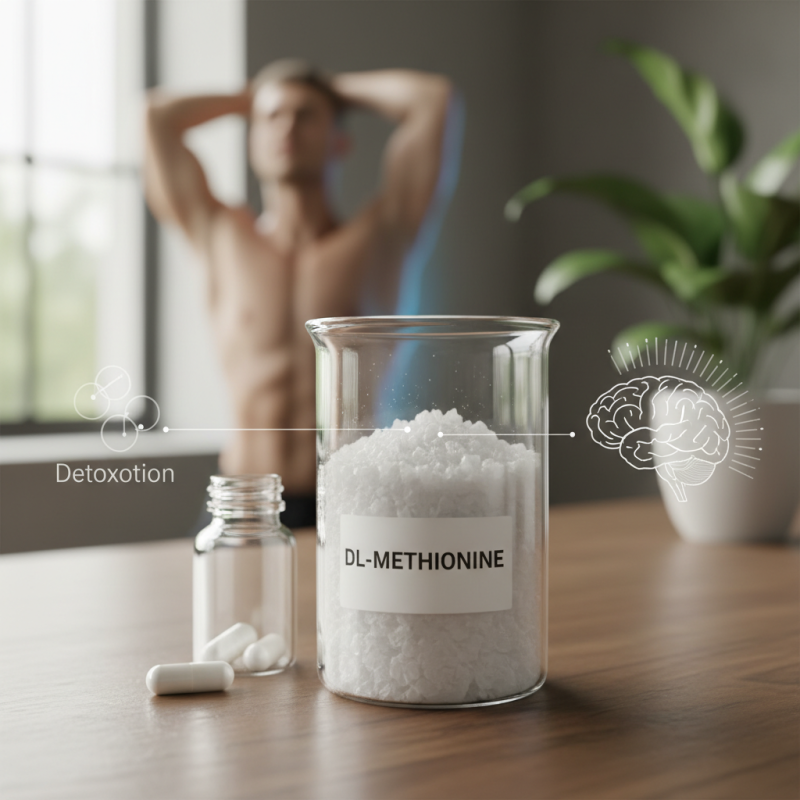
What Is DL-Methionine and Its Chemical Composition?
DL-Methionine is an essential amino acid with a unique chemical structure. It is a sulfur-containing amino acid, which plays a vital role in protein synthesis. The molecular formula of DL-Methionine is C5H11NO2S, indicating the presence of carbon, hydrogen, nitrogen, oxygen, and sulfur atoms. This composition contributes to its various physiological functions in the body.
This compound is significant in several biological processes, including acting as a precursor to other amino acids. It participates in the synthesis of cysteine and supports methylation reactions. These reactions are crucial for DNA synthesis and repair. With its various roles, understanding DL-Methionine's benefits is essential for many.
**Tips:** To ensure your body gets enough DL-Methionine, include protein-rich foods in your diet. Sources such as eggs, fish, and nuts are great choices. Pay attention to how you feel after consuming these foods; your body could communicate what it needs. Remember, an excess of any nutrient can challenge your system, prompting reflection on balance in your diet.
DL-Methionine Benefits Overview
Key Benefits of DL-Methionine for Health and Nutrition
DL-Methionine is an important amino acid. It plays a vital role in various bodily functions. One key benefit is its support for liver health. It helps to detoxify harmful substances. This amino acid also aids in the production of antioxidants. Antioxidants protect our cells from damage. This may reduce the risk of certain diseases.
Another significant use of DL-Methionine is in muscle recovery. After intense workouts, our muscles need repair. DL-Methionine can facilitate this recovery process. It also promotes healthy skin and hair. People often seek ways to improve their appearance. This compound may contribute positively in that regard.
While DL-Methionine has many benefits, it’s essential to be cautious. Overconsumption can lead to side effects. Some individuals might experience digestive discomfort. Allergic reactions, though rare, can also occur. Monitoring intake is crucial to avoid issues. Understanding your body's needs is a key part of health.
What is DL-Methionine Benefits Uses and Side Effects? - Key Benefits of DL-Methionine for Health and Nutrition
| Dimension | Data |
| Chemical Structure | DL-Methionine is an essential amino acid with a thioether group. |
| Primary Uses | Supplementation for detoxification, liver health, and metabolic support. |
| Key Benefits | Supports liver function, contributes to antioxidant defense, and aids in protein synthesis. |
| Common Sources | Meat, fish, dairy products, and certain nuts and seeds. |
| Recommended Dosage | Typically ranges from 500mg to 3000mg per day, depending on health goals. |
| Possible Side Effects | Nausea, diarrhea, and allergic reactions in some individuals. |
| Contraindications | Should be used cautiously in individuals with known allergies or certain metabolic disorders. |
Common Uses of DL-Methionine in Dietary Supplements and Food
DL-Methionine is gaining attention in the health industry. It is an essential amino acid critical for various bodily functions. One of its primary uses is as a dietary supplement. Research shows that DL-Methionine plays a role in promoting liver health and enhancing detoxification processes. A study published in the Journal of Nutritional Biochemistry found that it aids in reducing oxidative stress in the liver.
In terms of food applications, DL-Methionine is often added to animal feed. This is due to its ability to improve growth rates in poultry and livestock. According to the latest data from the Animal Nutrition Association, incorporating DL-Methionine into feed can lead to a 5-10% increase in weight gain for farm animals. Human dietary supplements also benefit from this amino acid. They may improve mood and cognitive function, based on findings from several nutrition journals.
However, not all findings are clear-cut. Some individuals may experience side effects. Reports indicate nausea or allergic reactions in a minority of users. Continuous research is needed to determine long-term effects on humans. Balancing benefits with potential risks remains crucial. The science is evolving, and the community should reflect on these aspects actively.
Potential Side Effects and Risks of DL-Methionine Consumption
DL-Methionine is often praised for its potential health benefits. However, it’s essential to consider the possible side effects and risks associated with its consumption. Some studies indicate that high doses may lead to gastrointestinal disturbances, such as nausea and diarrhea. A report from the International Journal of Toxicology mentions cases of toxicity when consumed in excessive amounts. This raises concerns about safe dosages, especially for long-term use.
Another risk is its impact on liver health. Excessive intake may lead to elevated levels of homocysteine, a compound linked to cardiovascular diseases. A study published by the American Heart Association emphasizes that individuals with pre-existing conditions should exercise caution. This highlights the importance of monitoring one’s intake and seeking professional advice.
**Tip:** Always consult a healthcare provider before starting any new supplement regime.
Moderation is key when it comes to DL-Methionine. Overconsumption could negate any potential benefits. Watch for symptoms of adverse reactions, such as a sudden change in mood or energy levels. Staying informed is crucial for maintaining health while exploring new supplements.
**Tip:** Keep a journal to track how DL-Methionine affects you over time.
Recommended Dosage and Guidelines for DL-Methionine Intake
DL-Methionine is an essential amino acid that supports various bodily functions. It plays a vital role in metabolic processes and protein synthesis. For those looking to supplement, understanding the recommended dosage is crucial.
Most studies suggest an intake range of 500 to 1500 mg per day. This amount can vary based on individual needs and health conditions. Some reports indicate that athletes might benefit from higher doses due to increased demands on their bodies. However, caution is advised. Overconsumption can lead to side effects like gastrointestinal distress or excessive homocysteine levels.
Pregnant or breastfeeding individuals should approach DL-Methionine supplementation carefully. Always consult a healthcare professional before starting. Additionally, the quality of the supplement matters. Not all products are created equal; impurities can affect efficacy and safety. Balancing dosage and quality is essential for optimal benefits.