Why You Should Know the Different Types of Chrome Plating for Your Projects
When embarking on a project that involves chrome plating, understanding the various types of chrome plating is crucial for achieving the desired results. According to Dr. James Thompson, a leading expert in surface finishing technologies, “Selecting the right type of chrome plating can significantly impact the performance and longevity of the finished product.” His insight underscores the importance of recognizing the distinctions between the various chrome plating methods available today.
The landscape of chrome plating is diverse, with each type offering unique benefits tailored to different applications. From decorative chrome plating, which enhances aesthetic appeal, to hard chrome plating, known for its durability and wear resistance, the types of chrome plating play a pivotal role in both functionality and appearance. By exploring these different methods, professionals in industries ranging from automotive to aerospace can make informed decisions that maximize the effectiveness of their projects. Understanding these distinctions not only ensures optimal performance but also aligns with project goals and specifications.

Types of Chrome Plating: An Overview
Chrome plating is a versatile process that enhances the appearance and durability of metal surfaces. There are several types of chrome plating, each with unique properties suited for various applications. The two main categories are hard chrome plating and decorative chrome plating.
Hard chrome plating is primarily used for its wear resistance and ability to reduce friction, making it ideal for industrial machinery components and tools. Its thickness provides significant protection against corrosion and wear, extending the lifespan of the parts involved.
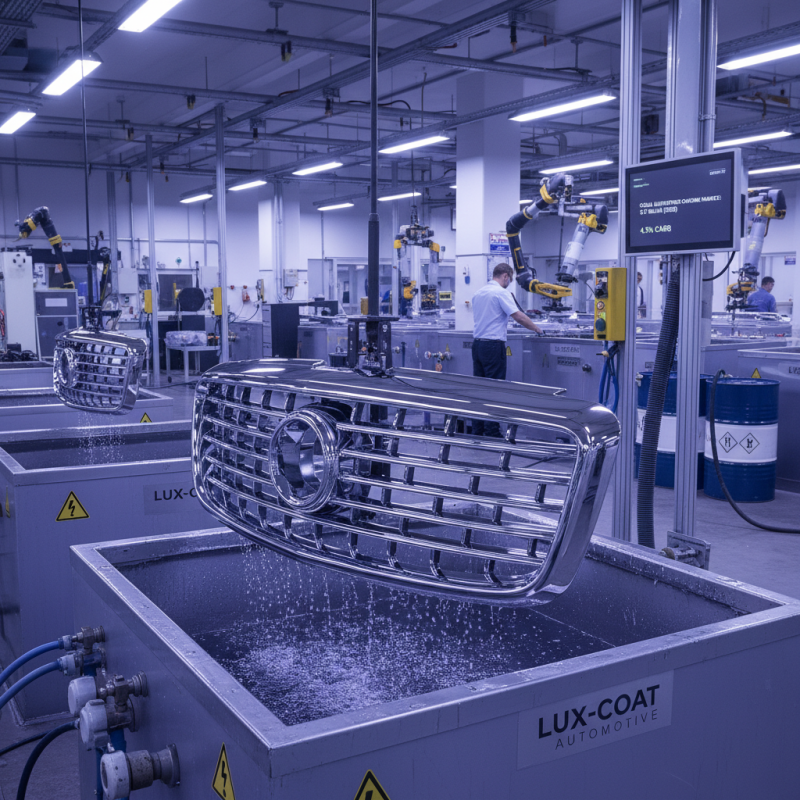
On the other hand, decorative chrome plating focuses on aesthetics rather than functional protection. This type is often used in automotive finishes, bathroom fixtures, and household appliances, where achieving a shiny, mirror-like finish is a priority.
Decorative chrome plating is typically thinner than hard chrome and may be applied over a layer of nickel to enhance luster and corrosion resistance.
Understanding these different types of chrome plating is crucial for selecting the right application, as they each offer distinct benefits that can contribute to the success of any project.
Benefits of Different Chrome Plating Methods
When considering chrome plating for various projects, understanding the benefits of different methods is crucial. The two most common types are hard chrome plating and decorative chrome plating, each serving specific purposes and offering unique benefits. Hard chrome plating is primarily used for components requiring enhanced durability and wear resistance. According to industry reports, components treated with hard chrome can exhibit a wear resistance increase of up to 200%. This is particularly beneficial in industries such as aerospace and manufacturing, where high-performance parts endure significant stress and abrasion.
On the other hand, decorative chrome plating focuses on aesthetic appeal, delivering a bright and shiny finish that enhances the visual quality of products. This method employs a thinner layer of chromium, which not only improves appearance but also offers some corrosion resistance. A study conducted by the Electroplating Association revealed that decorative chrome plating increases the marketability of products by as much as 30%, making it ideal for the automotive and consumer goods sectors. Additionally, advancements in environmental regulations have led to more sustainable processes in both types of chrome plating, ensuring compliance without sacrificing quality.
Benefits of Different Chrome Plating Methods
Factors to Consider When Choosing Chrome Plating
When considering chrome plating for your projects, several key factors influence the choice of the right type. First and foremost is the environment in which the plated item will be used. Research from the International Journal of Corrosion shows that different types of chrome plating, such as hard chrome and decorative chrome, offer varying levels of corrosion resistance. For industrial applications, hard chrome is often preferred due to its ability to withstand harsh conditions and wear. In contrast, decorative chrome is more suited for aesthetic purposes, frequently used in consumer products where appearance matters.
Another critical consideration is the thickness of the chrome layer. According to a report by the American Electroplaters and Surface Finishers Society, a thicker chrome layer provides enhanced durability and resistance to scratching and wear. Hard chrome plating typically ranges from 0.0001 to 0.01 inches, which is ideal for components that experience significant friction. On the other hand, decorative chrome plating tends to be thinner, generally around 0.0001 inches, focusing on visual appeal rather than heavy-duty functionality. Understanding these aspects can significantly affect the longevity and performance of the plated items, ensuring they meet both practical and aesthetic requirements.
Why You Should Know the Different Types of Chrome Plating for Your Projects - Factors to Consider When Choosing Chrome Plating
| Type of Chrome Plating |
Benefits |
Applications |
Considerations |
| Decorative Chrome Plating |
Aesthetic appeal, corrosion resistance |
Automotive parts, bathroom fixtures |
Less durable compared to other types |
| Hard Chrome Plating |
High wear resistance, increased lifespan |
Industrial equipment, hydraulic cylinders |
Requires more advanced techniques |
| Functional Chrome Plating |
Enhances surface properties |
Machinery parts, electrical contacts |
May involve complex plating processes |
| Nickel-Chrome Plating |
Good corrosion resistance, bright finish |
Motorcycle parts, home decor |
Potential issues with adhesion |
| Chrome Free Plating |
Eco-friendly option, non-toxic |
Automotive and aerospace industries |
May not achieve the same finish quality |
Applications of Chrome Plating in Various Industries
Chrome plating has become a vital process across various industries due to its ability to enhance both functionality and aesthetics of metal components. One of the key applications is in the automotive sector, where chrome plating is used not only for trim and decorative finishes but also for functional components that require resistance to wear and corrosion. According to a recent industry report, the global automotive chrome plating market was valued at approximately $3.7 billion in 2020 and is expected to grow at a CAGR of 4.5% over the next five years, highlighting the increasing demand for durable and visually appealing automotive parts.
In the aerospace industry, chrome plating plays a significant role in protecting aircraft components from harsh environmental conditions. Reports indicate that chrome plating can improve the fatigue life of components by up to 50%, thus ensuring safety and reliability in high-stakes applications. Additionally, the oil and gas sector utilizes chrome plating to enhance the longevity of equipment exposed to extreme temperatures and corrosive substances, with studies suggesting that properly plated components can last significantly longer than their unplated counterparts.
Tips: When selecting the right type of chrome plating for your project, consider the specific requirements of the application, such as temperature resistance and the environment in which the component will operate. Additionally, it's essential to work with experienced professionals who understand the nuances of different plating techniques to achieve the desired finish and performance. Always refer to industry standards to ensure compliance and safety in your applications.
Maintenance and Longevity of Chrome Plated Surfaces
When considering projects that involve chrome plating, understanding the maintenance and longevity of chrome plated surfaces is crucial. Chrome plating is known for its shiny appearance and resistance to corrosion, which makes it a popular choice in various applications, from automotive components to household fixtures. However, to ensure the visual appeal and functionality of chrome plated items over time, proper maintenance is essential.
Regular cleaning is key to preserving the finish of chrome plated surfaces. It’s best to use a soft cloth and mild soap solution, avoiding any abrasive cleaners that could scratch the surface. Additionally, applying a protective wax periodically can create an extra layer of defense against moisture and dirt, helping to maintain that lustrous shine.
Another important aspect of prolonging the life of chrome plating is to prevent scratches and chips. When handling chrome plated items, take extra care to avoid impacts that can compromise the integrity of the surface. If any damage occurs, addressing it promptly can help avoid further deterioration. Lastly, consider the environment where chrome plated items are installed; extreme temperatures and humidity can affect their longevity, so choosing appropriate locations for use can make a significant difference in their durability.