2026 How to Define Chrome Plating and Its Applications?
In the world of manufacturing, it becomes essential to define chrome plating. This process enhances the surface of various materials. By applying a layer of chromium, objects gain durability and shine. Many industries utilize this technique for practical and aesthetic reasons.
Chrome plating finds its use in automotive parts, home fixtures, and even electronics. It offers resistance to corrosion and wear, making items last longer. However, not all chrome plating processes are the same. Different methods exist, each with specific outcomes.
Despite its advantages, the environmental impact of chrome plating raises concerns. The chemicals used can be hazardous. Therefore, it's important to seek safer alternatives. Understanding how to define chrome plating fully requires looking at both its benefits and challenges.
What is Chrome Plating?
Chrome plating is a process that involves applying a thin layer of chromium to a metal surface. This method enhances the surface's
hardness, durability, and aesthetic appeal. According to research by Market Research Future, the global
chrome plating market is projected to grow significantly due to its applications in automotive, aerospace, and electronics industries.
Many industries favor chrome plating for its excellent corrosion resistance. It creates a smooth, shiny finish that can be visually striking. However, the process does have environmental concerns. Chromium plating can release hazardous substances. This requires careful handling and compliance with regulations.
Tips: Always ensure proper safety measures when handling chemicals. Regular maintenance can prolong the lifespan of plated items. Consider substitutes that might have lower environmental impact. Chrome plating remains popular, despite its complexities. Achieving quality plating can be challenging. Quality control is essential to avoid defects. Reflecting on these aspects can help improve practices in the field.
The Process of Chrome Plating: Steps and Techniques
Chrome plating is a popular technique used for enhancing the appearance and durability of various surfaces. The process involves several key steps. First, the base material must be thoroughly cleaned to remove any contaminants. This is crucial for achieving a high-quality finish. Next, a layer of nickel is commonly applied, providing an excellent base for the chrome layer. This step enhances adhesion and prevents corrosion.
The final step of chrome plating is the actual deposition of chromium. This is achieved through electroplating, where a current is passed through a solution containing chromium ions. The chrome attaches itself to the surface, creating a shiny, hard layer. According to industry reports, about 30% of chrome plating failures are due to inadequate preparation. This highlights the importance of meticulous surface cleaning and treatment.
Tips: Always inspect the surface before plating. Any scratches can lead to an uneven finish. Consider using a dye to detect flaws in the initial cleaning process. Moreover, while chrome plating can make objects visually appealing, it does require regular maintenance to prevent wear. Each application may react differently; understanding these variations is essential for optimal results.
Types of Chrome Plating: Hard vs. Decorative
Chrome plating is a popular surface finishing technique. It enhances both aesthetics and durability. Two main types of chrome plating exist: hard chrome and decorative chrome. Each has unique features and applications.
Hard chrome plating is typically thicker. It offers excellent wear resistance and low friction properties. Industries like aerospace and automotive highly value it. This type is used in hydraulic cylinders and engine components. However, the process can be costly. Achieving a perfect finish can be challenging. Sometimes, imperfections can lead to premature wear.
Decorative chrome plating, on the other hand, focuses on appearance. It provides a shiny, mirror-like finish. This plating is often seen on automotive trim and household fixtures. While it looks great, it lacks the durability of hard chrome. It is vital to consider the right application. Sometimes, the desired look isn’t practical for high-use items. Reflecting on the right choice can save time and resources.
Applications of Chrome Plating in Various Industries
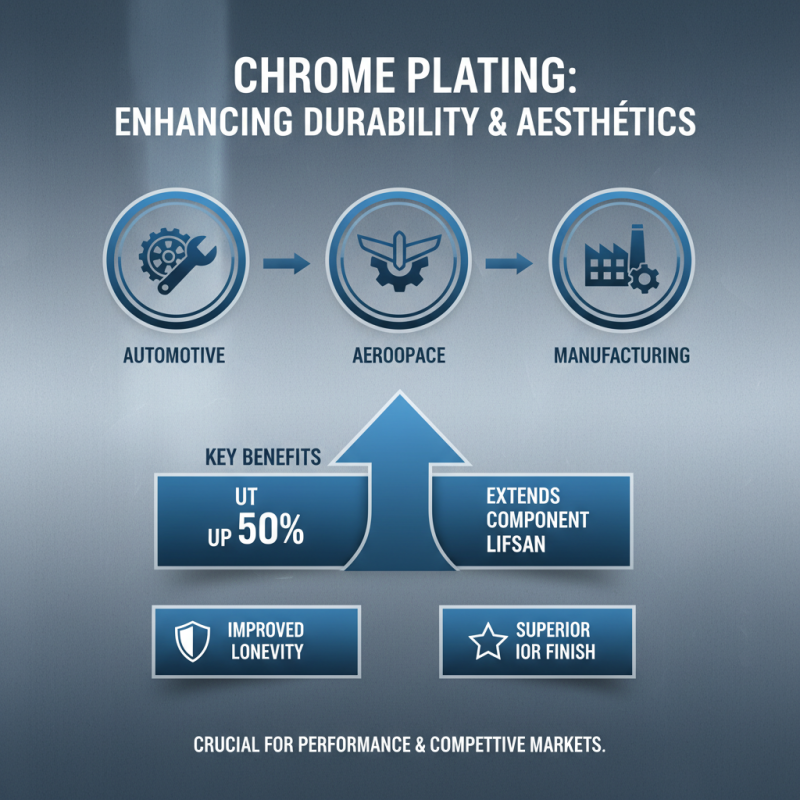
Chrome plating plays a crucial role across many industries, enhancing durability and aesthetics. Its applications are seen in automotive, aerospace, and manufacturing. For example, the automotive industry uses chrome plating to improve the longevity of parts. Reports indicate that this process can extend the lifespan of components by up to 50%. This is particularly important in a competitive market that demands both performance and longevity.
In the aerospace sector, chrome plating is vital for enhancing the performance of engine components. It significantly reduces friction, which leads to increased efficiency and better fuel economy. Studies show that chrome-plated components increase overall system reliability. However, the environmental impact of chrome plating processes raises questions. There are concerns regarding waste management and toxic byproducts. Industries must reflect on these issues and strive for more sustainable practices.
The manufacturing sector also extensively uses chrome plating. It provides a hard, shiny finish that is resistant to corrosion and wear. This is especially important for industries that require precision parts. Yet, while chrome plating offers many benefits, the long-term implications for health and the environment are still being assessed. As industries evolve, the balance between performance and sustainability demands closer scrutiny.
Advantages and Disadvantages of Chrome Plating
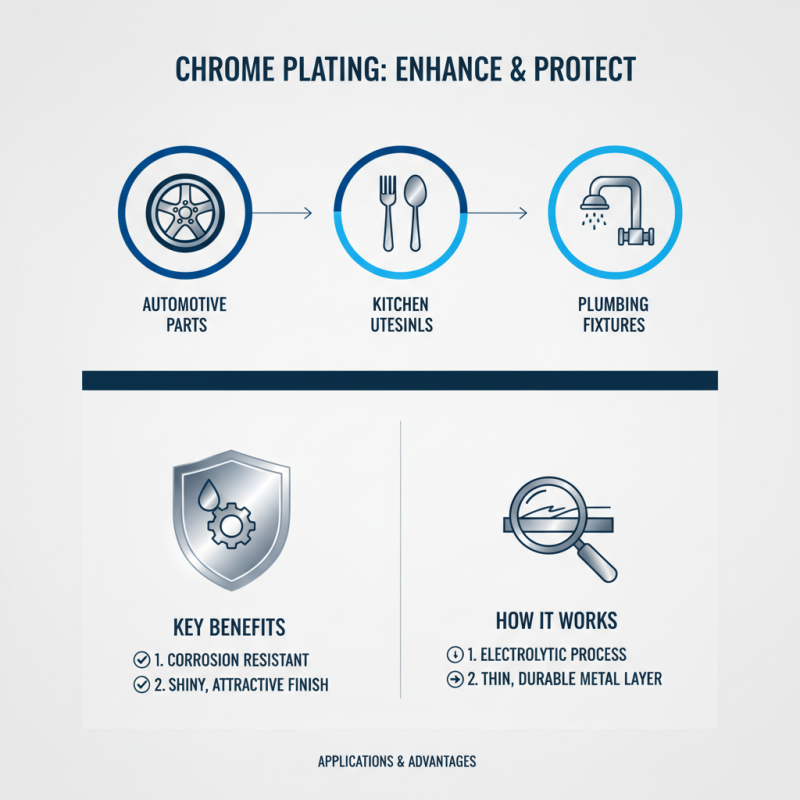
Chrome plating is widely used for various applications. This process enhances the appearance of objects, providing a shiny and attractive finish. One notable advantage is its high resistance to corrosion. Chrome plating can protect metal surfaces from rust and wear. This makes it ideal for automotive parts, kitchen utensils, and plumbing fixtures.
However, there are downsides to consider. The plating process can be harmful to the environment. Chemicals used can be toxic if not managed properly. Additionally, the thickness of the chrome layer matters. Too thin a coating may lead to premature wear. It’s essential to ensure proper application techniques are followed. While chrome plating offers a sleek look, the potential for peeling or flaking over time is concerning. Awareness of these factors is crucial for anyone considering this finish.