What is Decorative Plating and How Does it Enhance Product Aesthetics
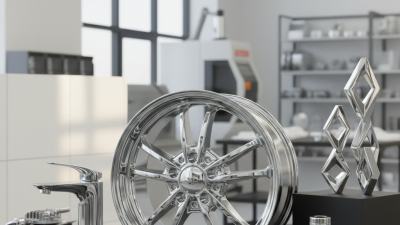
Decorative plating is a captivating technique that transcends mere functionality, infusing products with visual appeal and enhancing their marketability. By applying a variety of metallic finishes, this process transforms plain surfaces into eye-catching features, elevating the overall aesthetics of items ranging from household goods to luxury accessories. The intricacies of decorative plating not only enhance the appearance but also add a layer of protection against wear and corrosion, making it a dual-purpose solution that caters to both beauty and durability.
In an increasingly competitive marketplace, product aesthetics play a critical role in influencing consumer choices. Decorative plating serves as a valuable tool for manufacturers and designers looking to create unique and attractive pieces that stand out. Whether through the use of gold, silver, or other metallic elements, decorative plating can convey elegance and sophistication, appealing to a wide array of consumer demographics. By understanding the nuances and benefits of decorative plating, stakeholders can leverage this technique to boost the allure and desirability of their products, leading to greater customer satisfaction and enhanced brand loyalty.

Definition and Overview of Decorative Plating Techniques
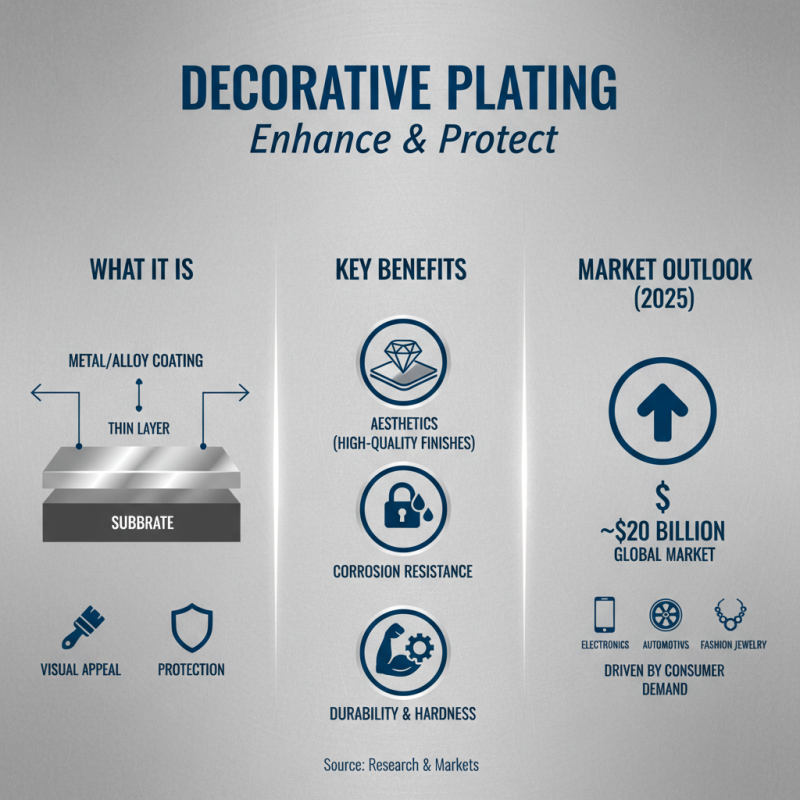
Decorative plating refers to the application of a thin layer of metal or alloy onto a surface to enhance its visual appeal and provide protective benefits. This technique is commonly employed across various industries, including electronics, automotive, and fashion jewelry, aiming not only to improve aesthetics but also to increase corrosion resistance and durability. According to a report by Research and Markets, the global decorative plating market is projected to reach approximately $20 billion by 2025, driven by rising demand for high-quality finishes in consumer products.
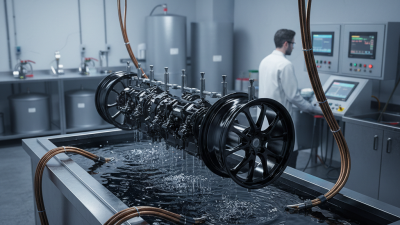
There are several decorative plating techniques, including electroplating, vacuum deposition, and electroless plating, each with unique advantages. Electroplating is particularly popular due to its versatility and ability to create intricate designs on metal substrates. The process involves using electric current to deposit metal ions onto a surface, producing a uniform and lustrous finish. Meanwhile, vacuum deposition involves vaporizing metal in a vacuum chamber, allowing for a precise application that is often used in high-tech industries.
Tips for achieving the best results with decorative plating include ensuring proper surface preparation to enhance adhesion and finish quality. It’s also crucial to select the right plating technique based on the intended use and environmental exposure of the product. Regular quality checks during the plating process can help identify any inconsistencies early on, maintaining a standard that meets industry specifications.
FAQS
: Common materials include gold, nickel, chrome, stainless steel, and polymers, each offering unique aesthetic and functional characteristics.
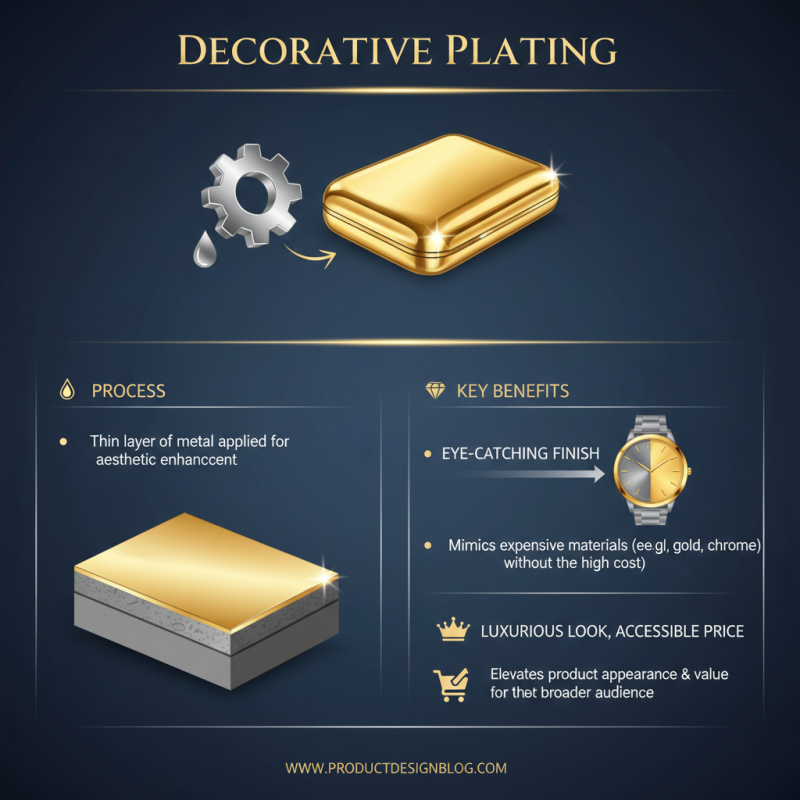
Decorative plating allows manufacturers to create an eye-catching finish that mimics more expensive materials, enhancing the luxurious look of products without high costs.
Decorative plating can be applied to various materials such as plastics, metals, and ceramics, and it allows for a wide range of textures and colors, expanding creative possibilities.
Key industries benefiting from decorative plating include automotive, electronics, and consumer goods, where aesthetics and protective benefits are crucial for product appeal.
By improving the visual appeal and mimicking expensive materials, decorative plating helps differentiate products in competitive markets, making them more attractive to consumers.
Decorative plating improves the aesthetic quality of vehicles and components while also offering durability, catering to consumer preferences for visually appealing automotive products.
Besides enhancing appearance, decorative plating prevents corrosion and wear, which is vital for consumer electronics where design influences purchasing decisions.
Manufacturers should research the types of finishes available and select techniques based on the desired outcome, durability, and the specifics of the product design.
Collaborating with suppliers who specialize in eco-friendly plating options can help manufacturers enhance sustainability and attract environmentally conscious consumers.
The global automotive decorative market is expected to reach USD 10.1 billion by 2025, reflecting the increasing consumer demand for aesthetically pleasing products.
Conclusion
Decorative plating is a process that involves applying a thin layer of metal or alloy onto a substrate to enhance the visual appeal and functional properties of products. This technique is popular across various industries, as it allows for the customization of aesthetics while also providing protection against corrosion and wear. Common materials used in decorative plating processes include gold, silver, and nickel, each offering distinct benefits that cater to different design requirements.
The advantages of decorative plating in product design are numerous, including improved durability, enhanced aesthetic value, and the ability to achieve a specific finish that aligns with brand identity. Key industries such as automotive, electronics, and jewelry significantly benefit from decorative plating applications, as it enables them to create visually striking and resilient products. As technology advances, future trends in decorative plating are expected to focus on sustainability and innovative techniques, further enhancing product aesthetics while minimizing environmental impact.