What is Decorative Chrome Plating and Its Benefits for Buyers?
Decorative chrome plating is a popular finishing technique. It adds a brilliant shine to various surfaces. Many buyers choose this option for its aesthetic appeal. Industries utilize it widely, from automotive to electronics.
This process enhances not only beauty but also durability. Decorative chrome plating protects items from corrosion and wear. Buyers appreciate the longevity it offers to their products. Additionally, it can improve resale value, a significant factor for many consumers.
Despite its popularity, some buyers remain uncertain about its implications. The process requires careful consideration in terms of maintenance and repair. Understanding these aspects can help buyers make informed decisions. Ultimately, decorative chrome plating is a blend of style and efficiency that meets consumer needs effectively.
What is Decorative Chrome Plating?
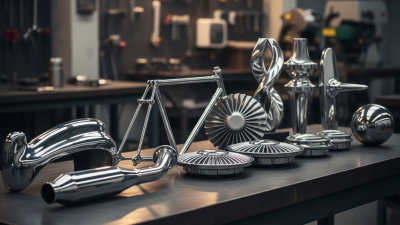
Decorative chrome plating is a process that enhances the appearance of various surfaces while providing protection. This technique involves applying a thin layer of chromium over a metal or plastic substrate. The result is a shiny, reflective finish that can improve the aesthetic appeal of items ranging from automotive parts to household fixtures.
According to market reports, the decorative chrome plating market is projected to grow steadily. At an estimated growth rate of 5% annually, demand for decorative chrome-plated products is surging across multiple industries. This trend reflects a growing interest in durability coupled with style. Many consumers now prefer products that combine both beauty and functionality. The electroplating process not only creates visually appealing surfaces but also offers resistance to corrosion and tarnishing, which can extend the lifespan of items.
While the benefits are clear, achieving high-quality decorative plating can be challenging. Quality control must be rigorous to avoid defects such as peeling or dull finishes. The process can also be resource-intensive, raising concerns about environmental impact. Manufacturers must balance production efficiency with the sustainability of their practices. As the industry evolves, it is crucial to address these challenges to maintain consumer trust and improve overall product performance.
The Process of Decorative Chrome Plating
Decorative chrome plating is a popular method used in various industries due to its aesthetic appeal and protective benefits. The process involves applying a thin layer of chromium onto a more durable metal substrate, typically through electroplating. According to a recent industry report, this technique enhances corrosion resistance, making it suitable for automotive parts and decorative objects. The layer of chromium not only boosts the appearance with a shiny finish but also adds substantial durability to the underlying material.
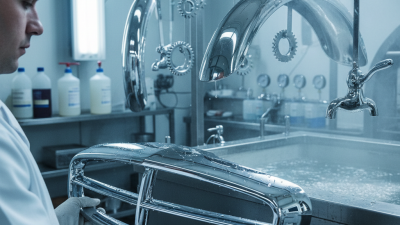
The procedures for chrome plating can vary, but they generally include surface preparation, electroplating, and finishing. The initial steps involve cleaning the surface to remove contaminants. After that, the item is submerged in a plating bath containing chromium ions. In this environment, electrical current facilitates the deposition of chrome onto the surface. The entire process must be carefully monitored. A slight imbalance in chemical concentrations can lead to inconsistencies in quality, such as dull spots or uneven plating thickness.
Furthermore, the industry's growth reflects a rising interest in consumer goods that blend style with functionality. Research indicates that around 25% of manufacturers prioritize decorative plating due to its cost-effectiveness and visual impact. However, challenges like environmental regulations and the need for skilled technicians to maintain plating equipment are ongoing concerns. Addressing these will be crucial for ensuring the sustainability of decorative chrome plating in the future.
What is Decorative Chrome Plating and Its Benefits for Buyers? - The Process of Decorative Chrome Plating
| Aspect |
Description |
Benefits |
| Aesthetic Appeal |
Provides a shiny, mirror-like finish on surfaces. |
Enhances the visual appeal of products. |
| Corrosion Resistance |
Acts as a protective layer against rust and oxidation. |
Increases the longevity of components. |
| Durable Finish |
Highly durable coating that withstands wear and tear. |
Reduces the need for frequent replacements or refinishing. |
| Cost-Effective |
Affordable compared to other finishing processes. |
Provides high value for aesthetic enhancement. |
| Easy to Clean |
Smooth surface allows for easy maintenance and cleaning. |
Reduces maintenance effort and time. |
Advantages of Decorative Chrome Plating for Buyers
Decorative chrome plating is a popular finish for various products. It enhances the appearance of items while providing durability. Buyers often seek this finish due to its shiny and attractive surface. This type of plating can transform ordinary objects into visually appealing pieces.
One significant advantage of decorative chrome plating is its resistance to corrosion. This makes it ideal for items exposed to moisture and various environmental factors. Additionally, it offers a smooth, easy-to-clean surface, reducing maintenance time. The reflective quality also adds a luxurious feel to products, appealing to consumers who want elegance.
Choose a reputable service provider experienced in decorative chrome plating. Look for reviews and past work to ensure quality. Always ask about the thickness of the chrome layer, as it impacts longevity. Take time to consider your needs carefully. A well-finished product can add value and help in making lasting impressions.
Benefits of Decorative Chrome Plating
Applications of Decorative Chrome Plating in Various Industries
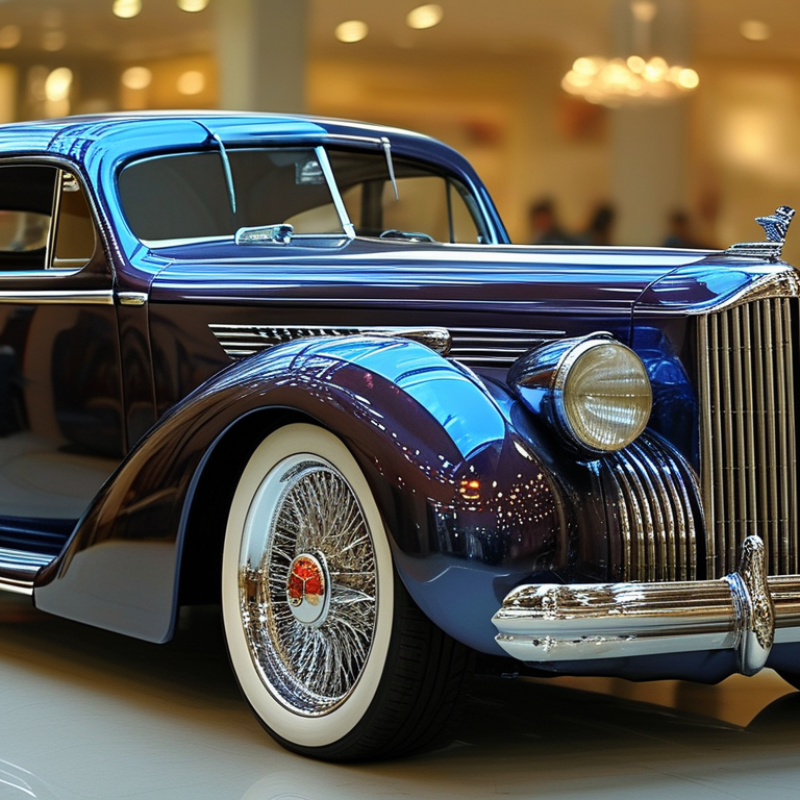
Decorative chrome plating is widely used in various industries for its appealing finish and durability. In automotive manufacturing, chrome plating enhances the aesthetic appeal of vehicle parts, making them shine and catch the eye. According to a report by the Global Market Insights, the automotive sector accounts for over 40% of the chrome plating market. This demonstrates the significant demand for such finishes in a competitive industry.
In the furniture sector, decorative chrome plating transforms ordinary metal components into stylish pieces that elevate the design of any room. Sleek chrome finishes are particularly popular in modern interior designs. Designers often favor these finishes for cabinets, tables, and chairs because they reflect light beautifully and create a sense of elegance.
Some industries use decorative chrome plating for practical applications as well. For example, it is used in the production of appliances, such as kitchen fixtures, where corrosion resistance is crucial. This functionality improves longevity and provides a clean look. Although decorative chrome plating adds considerable value, it is essential to discuss the environmental impact. The plating process generates waste, and manufacturers must remain aware of regulations to mitigate this issue.
Tips: Consider the environmental impact when choosing materials. Research alternatives that may be more sustainable without sacrificing quality. Balance beauty and functionality for the best results.
Maintaining and Caring for Chrome Plated Surfaces
Caring for chrome-plated surfaces requires a balance of regular maintenance and attention to detail. Chrome plating is durable but not invulnerable. The National Association of Surface Finishers reports that proper care can enhance the lifespan of chrome finishes. A simple cleaning routine, using mild soap and a soft cloth, is essential to prevent the buildup of grime. Avoid abrasive cleaners; they can scratch and dull the surface.
Moisture is another critical factor. Excessive humidity can lead to corrosion, compromising the shiny appearance. According to industry studies, over 20% of chrome plating failures are due to inadequate environmental controls. It's advisable to store chrome-plated items in dry locations. For more resilient care, consider applying a thin layer of automotive wax every few months. This adds a protective barrier against water and dirt while enhancing the visual appeal.
Despite the resilience of chrome plating, users need to be mindful of wear and tear. Scratches and chips can diminish its beauty. Repair kits are available, but users sometimes struggle with DIY applications. Professional help could be necessary for significant damages. While many aim for a pristine finish, acknowledging imperfections is part of the journey.