How to Choose the Right Regenerative Oxidizer for Your Needs?
Selecting the appropriate Regenerative Oxidizer for your needs can be challenging. The variety of options available often leads to confusion. Understanding the specific requirements of your applications is essential. Regenerative oxidizers are vital in reducing emissions and enhancing air quality. They work by effectively oxidizing volatile organic compounds (VOCs) and other pollutants.
When choosing a regenerative oxidizer, consider the operational conditions. Factors such as temperature, flow rate, and composition of exhaust gases significantly influence performance. A mismatch can result in inefficiency. Ideally, the chosen system should not only meet regulatory standards but also operate cost-effectively.
Expert guidance is invaluable in this process. Consulting with industry professionals can provide insights into the most effective solutions for specific needs. While there may be an ideal option, factors like budget constraints can complicate the selection. Reflect on trade-offs; sometimes, the best choice isn't the most straightforward one. Ultimately, making an informed decision requires careful consideration and reflection on the needs at hand.
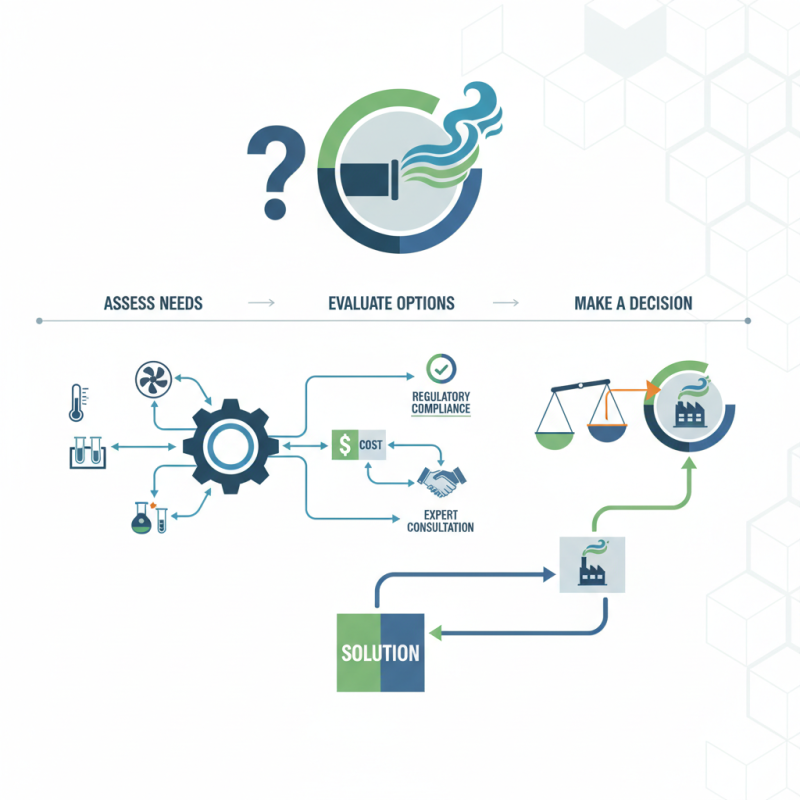
Understanding the Basics of Regenerative Oxidizers
Regenerative oxidizers play a significant role in air pollution control. Understanding their function helps in selecting the right one. These devices utilize a heat exchange process to oxidize volatile organic compounds (VOCs) and other harmful emissions. In essence, they capture heat from exhaust gases to facilitate the chemical reactions needed for oxidation. This is a key distinction from traditional oxidizers, which directly fuel the destruction process.
When considering a regenerative oxidizer, several factors must be evaluated. The specific contaminants in your emissions are critical. Different oxidizers excel in tackling various compounds. The temperature and flow rate of your exhaust should also be analyzed. These aspects can significantly influence efficiency and operational costs.
Regenerative oxidizers also require maintenance. Their performance can degrade without proper care. Cleaning and inspections are necessary to ensure ongoing efficiency. It’s crucial to reflect on the long-term implications of choosing the right system. Each choice impacts not only operational success but also environmental compliance and corporate responsibility.
Key Factors to Consider When Choosing an Oxidizer
Choosing the right regenerative oxidizer is crucial for many industries. Understanding the key factors can simplify this process. Start with your specific application. Different processes require different oxidizers. Assess your needs carefully. This ensures you select an option that meets efficiency and safety standards.
Consider the operating temperature. Some oxidizers perform best at high temperatures, while others are more effective at lower ranges. This choice impacts energy consumption and overall performance. Evaluating the materials involved can also guide your selection. For example, corrosive environments may need specialized oxidizers to prevent degradation.
Tips: Always check the oxidizer's efficiency rating. This reflects its capability to convert pollutants efficiently. Costs can be deceptive; investing in a reliable option can save money in the long run. Also, consulting with experts may provide additional insights. They can help outline the pros and cons of different oxidizers tailored to your circumstances.
How to Choose the Right Regenerative Oxidizer for Your Needs? - Key Factors to Consider When Choosing an Oxidizer
| Factor | Description | Importance Level | Recommended Action |
| Application Type | Identify the specific industrial process to determine oxidizer suitability. | High | Consult industry guidelines for recommendations. |
| Operating Conditions | Assess temperature, pressure, and flow rate for optimal performance. | Critical | Conduct thorough testing under simulated conditions. |
| Chemical Compatibility | Ensure oxidizer is compatible with all materials involved in the process. | High | Review chemical data sheets for materials compatibility. |
| Regulatory Compliance | Identify relevant environmental and safety regulations. | Mandatory | Engage compliance experts to review processes. |
| Energy Efficiency | Evaluate energy consumption versus output efficiency. | Important | Analyze energy reports for efficiency metrics. |
| Maintenance Requirements | Consider the frequency and type of maintenance needed. | Moderate | Plan for scheduled maintenance in operational budget. |
| Cost Consideration | Assess overall cost including initial and operating expenses. | High | Conduct a ROI analysis for investment justification. |
Comparing Different Types of Regenerative Oxidizers
When selecting a regenerative oxidizer, understanding the different types is crucial. Two prominent designs are the fixed-bed and moving-bed systems. Fixed-bed oxidizers use traditional media that traps pollutants, while moving-bed systems employ a dynamic approach for better efficiency. Users should weigh operational costs and energy efficiency against space requirements.
Price can vary significantly, impacting your choice. Basic models might suffice for small operations, but larger industries may need advanced systems. Assessment of heat recovery capabilities is vital. Some oxidizers achieve higher thermal efficiency, which translates to lower operational costs over time.
Consulting with experts in the field is beneficial. Align your choice with specific operational needs and environmental regulations. Familiarize yourself with installation challenges. Every model has its drawbacks, and not every system fits perfectly. Testing various options can provide clarity, but it also requires time and resources. The learning process is essential; mistakes often lead to better selections in the future.
Evaluating Your Specific Industry Needs
Choosing the right regenerative oxidizer is crucial for industries dealing with volatile organic compounds (VOCs). Each sector has unique requirements that influence this decision. A thorough evaluation of your specific needs can lead to optimal efficiency and compliance.
In the manufacturing sector, for example, factors such as the type of pollutants and their concentrations matter. Understanding flow rates and emissions can help in selecting the right size and model. Evaluate your facility's layout. Space constraints can dictate whether you need a compact or larger unit. These details are often overlooked but can affect performance.
Tips: Review past air quality reports. Analyze your waste emissions closely. Consult with industry experts to gain insights into common challenges.
In the automotive industry, higher temperatures in the exhaust can demand robust oxidizer materials. Here, durability and heat resistance are vital. Consider the environmental regulations that apply. Some regions have strict standards, impacting the choice of technology. It may be beneficial to invest in predictive maintenance tools to ensure long-term effectiveness.
Tips: Stay informed about changing regulations. Collaborate with peers in the industry for best practices. Document all processes for compliance and efficiency tracking.
Tips for Maintenance and Efficiency of Regenerative Oxidizers
When maintaining regenerative oxidizers, efficiency is key. These systems can achieve thermal efficiencies up to 95%, which significantly reduces emissions. Regular inspections are necessary. Check media beds for damage and fouling. Cleaning every 6-12 months keeps the system operating effectively. Neglecting this can lead to decreased performance and higher operational costs.
Data from industry reports indicate that optimization of airflow can further enhance effectiveness. Proper airflow management is vital. It can increase heat recovery rates and minimize energy consumption. Scheduling routine calibration of controls can help maintain accuracy. Monitor pressure drops across the system to identify any potential issues early.
Don't overlook the importance of proper training for personnel. Well-trained staff can quickly identify anomalies and address problems. This not only improves longevity but also ensures compliance with environmental regulations. An efficient program can yield significant savings. However, failure to prioritize these aspects might lead to unexpected downtime. Always assess the combined impact of maintenance practices to maximize your investment in regenerative oxidizers.