Choosing the right industrial hard chrome plating process can be challenging. There are many factors to consider. This process is vital for improving durability and wear resistance in various components. Industries use it extensively for parts subjected to high stress.
Different applications may require different plating techniques. Some coatings are thicker, while others focus on surface smoothness. Understanding your specific needs becomes crucial. Think about the environment where the plated parts will function. High temperatures or corrosive conditions could impact performance.
Reflecting on your choices is important. Not every process will yield the desired results. Sometimes, trial and error might be needed to find the best option. Remember, investing time in understanding industrial hard chrome plating can lead to better outcomes. Your decision will directly affect the longevity of your components.
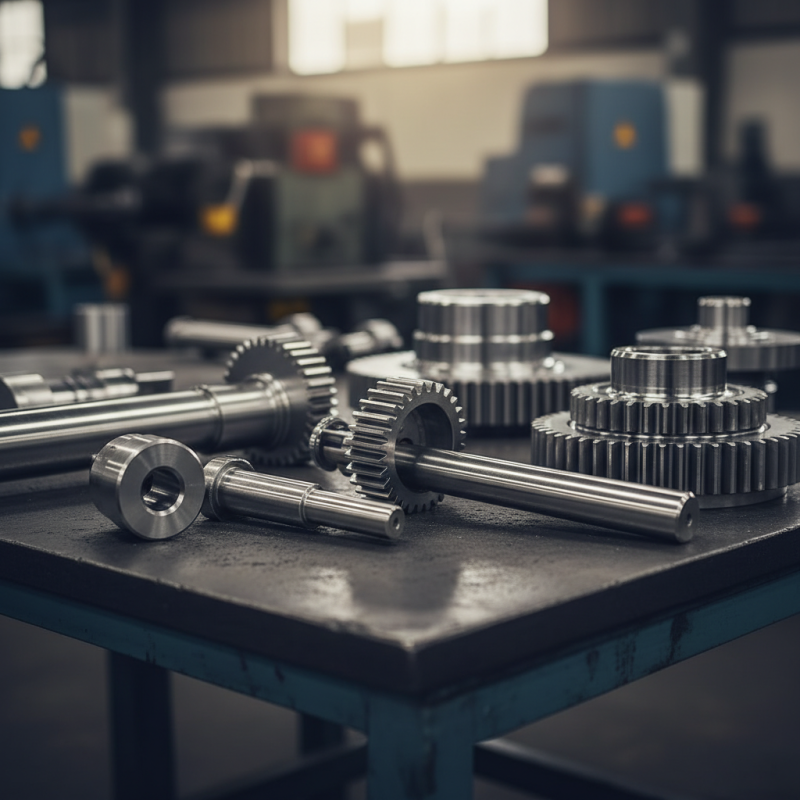
Industrial hard chrome plating is essential for enhancing durability. This process involves applying a thin layer of chromium to metal surfaces. The result is increased resistance to wear, corrosion, and heat. It plays a significant role in various industries, including automotive and manufacturing.
To begin, understanding the steps in the hard chrome plating process is crucial. It starts with thorough cleaning of the base material, often using a chemical solution. Then, the metal is placed in an electrolytic bath where chromium ions are deposited. Adjusting the temperature and current density can affect the coating quality. The thickness of the layer may not be uniform, which requires further evaluation.
Every step matters, and mistakes can occur. Incomplete cleaning may lead to adhesion problems. Overly high current can produce less desirable surface finishes. These imperfections highlight the need for careful monitoring throughout the process. Companies should invest in skilled technicians who understand these nuances. The right approach can align with specific project requirements and lead to optimal outcomes.
| Plating Type | Thickness Range | Application | Key Benefits | Limitations |
|---|---|---|---|---|
| Electrolytic Hard Chrome | 0.0005" to 0.010" | Automotive Parts, Tooling | High wear resistance, Low friction | Requires post-plating finishing |
| Decorative Chrome Plating | 0.0001" to 0.001" | Consumer Goods, Fixtures | Aesthetic appeal, Corrosion resistance | Less durable under heavy wear |
| Hard Chrome on Steel | 0.001" to 0.030" | Machinery, Oil & Gas | Enhanced hardness, Improves lifespan | Environmental regulations on chromium |
| Plasma Transferred Arc (PTA) | 0.030" and above | Industrial Equipment, Aerospace | Robust welds, Superior adhesion | Longer processing time |
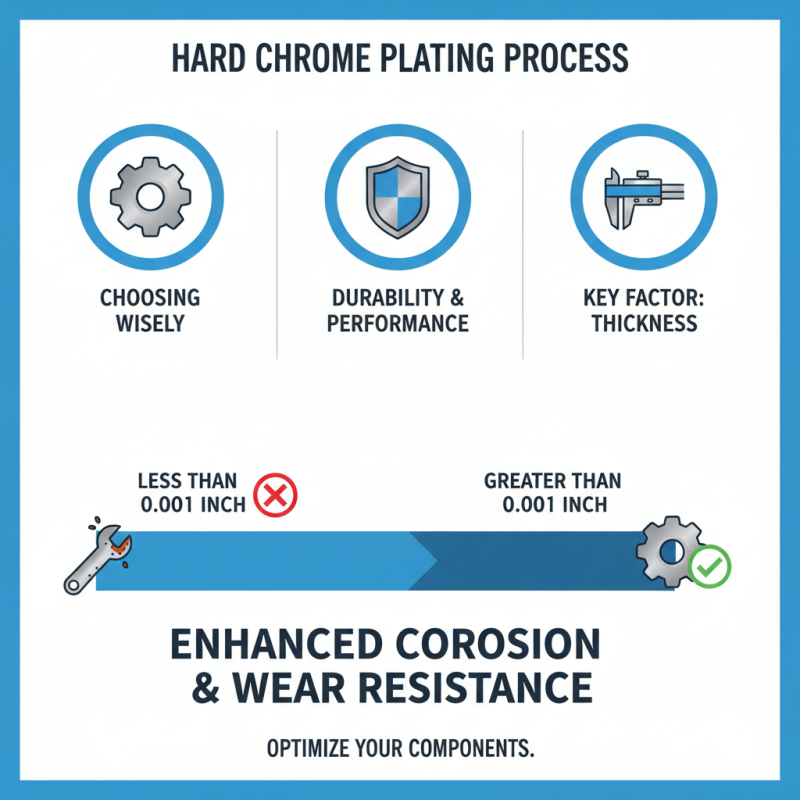
Choosing the right hard chrome plating process is crucial. It can impact the durability and performance of your components. One key factor is the thickness of the chrome layer. Reports indicate that a thickness greater than 0.001 inches significantly enhances resistance to corrosion and wear.
Temperature control during plating is another critical aspect. Various studies show that maintaining optimal temperatures can decrease defects. Many manufacturers overlook this, resulting in uneven coatings. A consistent temperature of around 140°F often yields better results.
Surface preparation is vital too. A rough surface can lead to poor adhesion of the chrome layer. Research highlights that pre-treatment processes can improve adhesion by up to 30%. Companies should consider their specific applications. For instance, hydraulic cylinders benefit more from thicker layers, while other components might require a finer finish. Each choice carries its consequences, and understanding them is essential for successful outcomes.
When selecting an industrial hard chrome plating process, it's crucial to compare techniques and their specific applications. Hard chrome plating is widely used in various industries, including aerospace and manufacturing. According to a report by the Global Chrome Plating Market, the industry's growth rate is estimated at 4.5% annually. This reflects a rising demand for durable finishes on metal parts to enhance performance and lifespan.
Electrolytic hard chrome plating remains a popular choice. It creates a thick layer, providing excellent wear resistance. This technique is ideal for components subjected to high friction, such as hydraulic cylinders. However, it's not without drawbacks. The process can lead to hydrogen embrittlement, weakening the metal if not managed properly.
In contrast, Duplex plating combines hard chrome with other coatings, like nickel, to enhance properties. This method improves corrosion resistance while maintaining surface hardness. The drawback? Duplex plating can be more expensive and time-consuming. Ultimately, each technique has unique strengths and weaknesses. Choosing the right process requires a clear understanding of specific application needs and potential compromises.
When selecting an industrial hard chrome plating service, quality assurance is crucial. It ensures that the final product meets specific performance requirements. Evaluating the process can be challenging. Look for certifications or standards that the service adheres to. This indicates a commitment to quality.
It's important to visit the facility if possible. Observing the methods used can reveal a lot. Not all companies have the same level of expertise. Some may skip steps in the process, leading to unreliable results. Ask about their inspection processes. This can provide insight into how they maintain quality throughout operations.
Communication is key in this industry. Discuss your specific needs openly with potential service providers. They should demonstrate how they plan to meet those needs. A good service will engage in dialogue and address any concerns. Don't hesitate to ask difficult questions. Reflect on their answers and approach. Their responses can often highlight their dedication to excellence.
When budgeting for hard chrome plating projects, understanding the costs is essential. The average cost for industrial hard chrome plating varies significantly, typically ranging from $2.00 to $6.00 per square foot. Variables like part size, complexity, and material type can impact the final price. Be aware that low initial estimates might lack quality assurance. A low-cost quote could lead to unexpected repair needs later on.
It's essential to consider additional expenses. Surface preparation and post-plating treatments can add 20% to 30% to your budget. Depending on the components, you may require multiple coatings or treatments, complicating your overall expenses. Projects with precise specifications often face higher costs, but these details ensure longevity.
Recognizing the importance of thorough planning is crucial. Incomplete budgeting can lead to project delays. Failing to anticipate hidden costs can strain resources and schedules. Decisions made without a full understanding of expenses can result in overspending. Therefore, addressing every aspect from material selection to potential rework can provide a clearer financial picture.