How to Choose the Best Decorative Metal Plating for Your Project?
When considering decorative metal plating for your project, expertise is crucial. John Stevens, a leading authority in the plating industry, states, "Choosing the right decorative metal plating can transform your project’s aesthetic." His insight highlights the importance of informed decisions in this field.
Decorative metal plating extends beyond mere style. It impacts durability and function. Various options exist, from gold and chrome to nickel and brass. Each choice offers unique benefits and challenges. A clear understanding of these will enhance project outcomes. Ensure you consider the environment and usage, as some finishes might wear differently over time.
Reflection on personal needs is vital in this selection process. Ask yourself how the plating will complement your design. It's easy to focus solely on appearance, but functionality is equally important. Delve into the characteristics of each option. Engaging with experts or conducting thorough research can provide clarity in your decision-making.
Understanding Different Types of Decorative Metal Plating
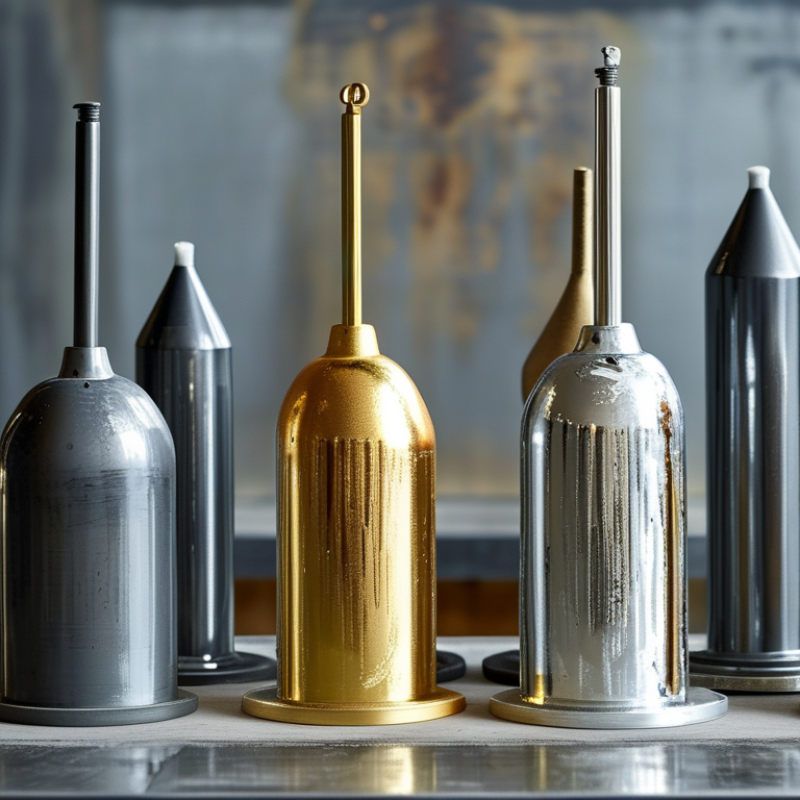
When selecting decorative metal plating, understanding the various types available is crucial. The most common choices include nickel, brass, and copper plating. Each type offers unique visual and functional benefits. Nickel plating is often chosen for its corrosion resistance and polished appearance. It can enhance durability while providing a sleek finish.
Brass plating presents a warm, golden hue. It’s ideal for projects needing a vintage appeal. However, brass may require more maintenance to prevent tarnishing. Copper plating is known for its striking visual impact. It develops a patina over time, which can be both admired and despised. This process can create a beautiful aging effect, appealing to many designers.
Choosing the right decorative metal plating isn’t just about the look. Consider how the plating will hold up over time. Will it maintain its finish? Is it suitable for the intended use? Asking these questions adds depth to your decision-making. Each choice comes with trade-offs that warrant careful evaluation.
Comparison of Different Types of Decorative Metal Plating
Evaluating Functional Requirements for Your Project
Choosing the right decorative metal plating requires careful consideration of functional requirements. These needs can significantly impact the final aesthetic and durability of your project. According to the Metal Finishing Association, over 35% of plating failures directly relate to inappropriate material selection. This statistic underscores the need for thorough evaluation.
Start by assessing environmental factors. Does your project face exposure to moisture or chemicals? Finishes like nickel or chrome may provide the necessary corrosion resistance. Data from industry studies shows that nickel plating offers nearly 85% more corrosion protection than standard zinc. This protection is essential for outdoor or high-moisture environments.
Furthermore, consider the intended use of the plated item. Aesthetic appeal is important, but functionality cannot be overlooked. If the surface will endure frequent handling, robust coatings like anodized aluminum might be necessary. In some cases, lighter weights vs. durability may raise concerns. Balancing these aspects requires a nuanced approach, given that not all finishes offer equal durability or visual appeal. Choose wisely to avoid regrets later on.
Analyzing Aesthetic Preferences and Design Choices
When selecting decorative metal plating for your project, understanding aesthetic preferences is crucial. The right finish can elevate your design. Consider the overall style you want to achieve. Is it rustic or modern? Each choice brings a different vibe. Metallic finishes like brushed nickel or antique bronze each offer unique qualities.
Different textures can influence perception. Smooth finishes tend to look more polished, while textured options add depth. Reflective surfaces can enhance light in a space, creating an inviting atmosphere. But think about practicality too—how will the plating hold up over time? This balance between style and durability is key.
When making your decision, visualize the final look. Gather samples and see how they integrate with other materials. Try different lighting conditions to assess how colors shift. Be open to adjustments. Design can be a process of trial and error. Some choices may not meet expectations at first glance, but they could surprise you later. Pay attention to how your selections work with the forms and lines of your project.
Considering Environmental Factors and Sustainability
When selecting decorative metal plating, environmental factors and sustainability are essential. The manufacturing process can significantly impact ecological balance. Research indicates that the production of metal plating can generate substantial waste and harmful emissions. For instance, the Environmental Protection Agency reports that metal finishing operations are responsible for approximately 18% of all contaminated industrial discharges.
Choosing materials with sustainable practices is vital. Look for suppliers who prioritize recycled metals and environmentally friendly finishes. A 2021 study found that using recycled metals considerably reduces energy consumption by up to 95% compared to using virgin materials. This creates an opportunity to decrease your carbon footprint. Additionally, opting for low-VOC (volatile organic compounds) coatings can further enhance sustainability. These compounds can be harmful to both health and the environment.
Be aware that not all metal plating processes are created equal. Some methods may contribute to more waste or have a larger environmental impact. Understanding these differences is crucial. Regular assessments and life cycle analyses can help identify the most sustainable options. Engaging with certified professionals can provide insights into the best practices for eco-conscious projects, ensuring your decorative metal plating choice aligns with both aesthetic and environmental goals.
Budgeting and Cost Considerations for Metal Plating Options
When budgeting for decorative metal plating, it's crucial to understand the costs involved. Decorative plating often involves various materials, such as gold, silver, chrome, or nickel. Each of these has different price points. According to recent industry reports, the average cost for basic metal plating can range from $2 to $10 per square foot. However, this can increase significantly based on the metal type and required finish.
Another important factor is the thickness of the plating. Thicker layers typically provide better durability but also raise costs. For instance, a high-quality nickel plating of 10 microns might be more expensive than a standard 2-micron layer. Additionally, labor costs can complicate the budgeting process. Complex designs may require more intricate work, leading to higher labor charges. This is an area where clients must balance quality with budget constraints.
It’s essential to not overlook the potential for hidden costs. Surface preparation and post-treatment processes may incur additional expenses. Reports suggest that up to 30% of total plating costs can come from these unforeseen factors. Failure to account for these can derail a project’s budget. If the proper planning is not done, it can lead to compromises in quality or finish. Understanding these details is vital for making informed decisions on metal plating options.
How to Choose the Best Decorative Metal Plating for Your Project? - Budgeting and Cost Considerations for Metal Plating Options
| Plating Type |
Cost per Square Foot |
Durability Rating |
Finish Quality |
Lead Time (Days) |
| Chrome Plating |
$20 - $30 |
8/10 |
High Gloss |
5-7 |
| Nickel Plating |
$15 - $25 |
7/10 |
Satin |
4-6 |
| Zinc Plating |
$10 - $20 |
6/10 |
Matte |
3-5 |
| Gold Plating |
$50 - $100 |
9/10 |
High Gloss |
7-10 |
| Anodized Aluminum |
$15 - $35 |
8/10 |
Varied |
4-8 |