Why Choose Stainless Steel Coil at China Import and Export Fair?
The demand for Stainless Steel Coil is surging globally, driven by its durability and versatility. According to a recent market report, the stainless steel market is expected to reach USD 147.1 billion by 2025, growing at a CAGR of 4.9%. This rising trend highlights the importance of investing in high-quality stainless steel products, especially during significant trade events like the China Import and Export Fair.
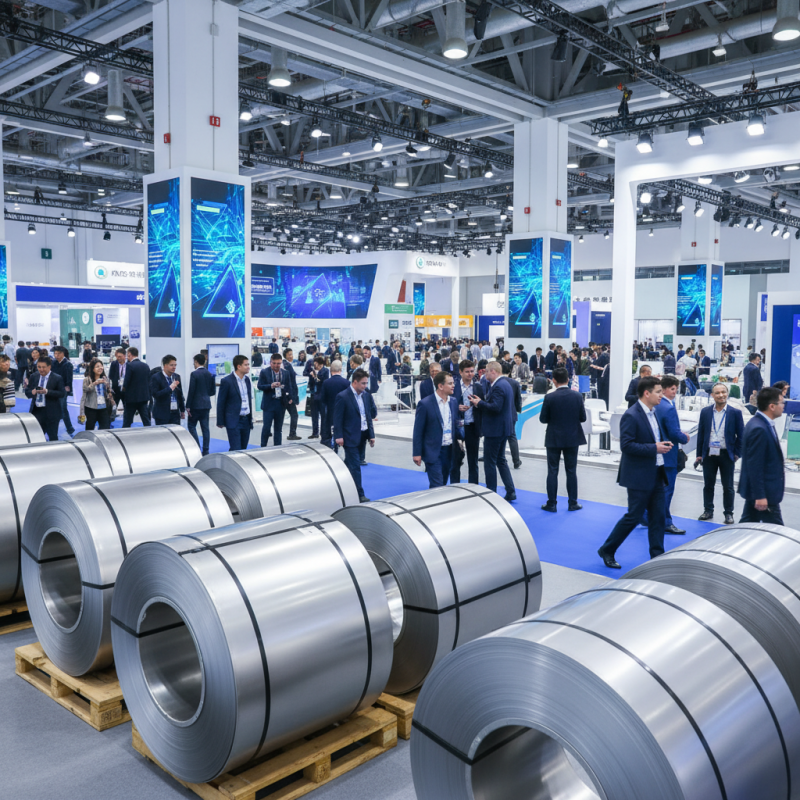
The 139th China Import and Export Fair, taking place in April and May 2026, offers a prime opportunity for buyers and suppliers. With a vast exhibition area of 1.55 million square meters, it will showcase advanced manufacturing, including stainless steel applications. The integration of AI technology will streamline the procurement process, allowing buyers to locate qualified suppliers efficiently. However, the challenge remains for suppliers to distinguish themselves in such a competitive environment.
Quality remains a concern for many buyers. Certifications like ISO and CE are critical in ensuring the products meet global standards. Attending the Fair enables buyers to evaluate samples and engage directly with manufacturers. The emphasis on innovation and quality in the stainless steel sector can't be overlooked, as businesses strive to improve their offerings and stay competitive.
Benefits of Stainless Steel Coil Over Other Materials in Construction Industry
Stainless steel coil is gaining popularity in the construction industry. Its advantages make it a preferred choice over other materials. Firstly, stainless steel is highly resistant to corrosion. This property ensures longevity, reducing maintenance costs over time. Buildings using stainless steel components remain attractive and robust despite harsh weather conditions.
One important aspect is strength. Stainless steel has a high tensile strength, making it suitable for structural applications. It can handle tremendous loads without bending or breaking. This feature is crucial for safety in construction.
**Tips:** When selecting materials, prioritize durability. Research the properties of different alloys. Consider the environment where the material will be used.
Stainless steel is also recyclable, contributing to sustainability. This is a growing concern in construction. While it costs more upfront, the long-term benefits outweigh initial expenses. Choosing stainless steel means investing in quality and environmental responsibility.
**Tips:** Always seek detailed specifications. Understand the project requirements fully. Don't hesitate to ask for expert advice.
Key Applications of Stainless Steel Coil in Various Sectors
Stainless steel coils are essential in various industries, showcasing versatility and durability. The automotive sector significantly utilizes these coils. Research indicates that around 30% of stainless steel consumption is in automotive manufacturing. Their resistance to corrosion improves vehicle longevity and safety.
In construction, stainless steel coils are crucial. They are used in structural applications such as beams, columns, and facades. According to recent reports, the demand for stainless steel in construction has risen by over 10% annually. Its strength and aesthetic appeal are significant advantages.
Tip: Always choose coils with the right grade for your project. Different grades have unique properties, impacting performance.
The food processing industry is another major user. Stainless steel's hygienic properties are vital for food safety. Reports show that nearly 25% of stainless steel is used in such applications. However, there are still challenges. Ensuring proper maintenance can be difficult, impacting service life.
Tip: Regular inspections can help prevent issues. Small rust spots can escalate if not addressed timely. Attention to detail is key in maintaining stainless steel quality.
Market Trends: Demand and Supply of Stainless Steel Coil in China
The stainless steel coil market in China has seen notable shifts recently. In 2022, China produced over 28 million tons of stainless steel. Demand has surged due to the construction and automotive sectors, which rely heavily on durable materials. Analysts project a steady growth rate of around 4% annually until 2025.
However, concerns over supply chain disruptions persist. The availability of raw materials can impact production timelines. Reports indicate that nickel prices have fluctuated significantly, affecting costs. Companies must consider these market dynamics and pricing strategies.
Tips: Monitor industry reports regularly. They provide insight into trends and potential disruptions. Such knowledge can help businesses navigate challenges effectively. Collaborate with suppliers to ensure consistent material access.
Furthermore, as sustainability becomes a priority, manufacturers are exploring eco-friendly practices. This shift may influence consumer choices. A focus on sustainable sourcing can enhance brand reputation. The evolving landscape presents both opportunities and challenges for stakeholders in the stainless steel coil market.
Market Trends: Demand and Supply of Stainless Steel Coil in China
Quality Standards and Certifications for Stainless Steel Coil Products
Stainless steel coils have become a preferred material in various industries. Choosing a reliable supplier is crucial. The China Import and Export Fair is an excellent place to explore quality standards. Here, buyers can find various products that meet industry requirements.
Quality standards are essential for stainless steel products. Different certifications ensure that materials are durable. Not all suppliers achieve these standards. Some may overlook details, which can lead to subpar products. Inspecting certifications is a key step buyers must take. It adds a layer of trust in the purchasing process.
Meeting international quality standards can be challenging. There may be inconsistencies in product quality. Buyers should ask for samples before committing. Understanding specifications can prevent future issues. Paying attention to these details ensures a better partnership in the long run. This fair serves as a platform for both buyers and suppliers to learn and improve.
Why Choose Stainless Steel Coil at China Import and Export Fair? - Quality Standards and Certifications for Stainless Steel Coil Products
| Dimension | Grade | Thickness (mm) | Width (mm) | Length (m) | Certification | Application Area |
| Coil | 304 | 0.5 | 1000 | 3 | ISO 9001 | Construction |
| Coil | 316L | 0.8 | 1200 | 4 | ASTM | Marine |
| Sheet | 430 | 0.6 | 1500 | 2.5 | CE | Kitchen Appliances |
| Strip | 201 | 1.0 | 600 | 5 | SGS | Automotive |
Economic Impacts of Importing Stainless Steel Coil at Trade Fairs
Choosing stainless steel coil at trade fairs has significant economic impacts. Trade fairs attract global buyers and sellers, fostering considerable interactions. Businesses gain exposure to new markets and suppliers. The stainless steel industry thrives on innovations showcased at these events. Exhibitors often highlight product quality, pricing, and new technologies. This competitive environment leads to better deals for buyers and promotes larger volumes of trade.
Importing stainless steel coils during these fairs can also reveal market trends. Attendees can witness firsthand consumer preferences and emerging designs. Insights gained can drive strategic decisions back home. However, not every deal becomes profitable. Unexpected tariffs or import fees may change initial calculations. Companies sometimes rush decisions to secure deals. This can lead to overstocking or financial strain later. It's important to weigh benefits against potential pitfalls. Making informed choices is crucial in such dynamic settings.