What is Carbon Steel Pipe and Why is it Important?
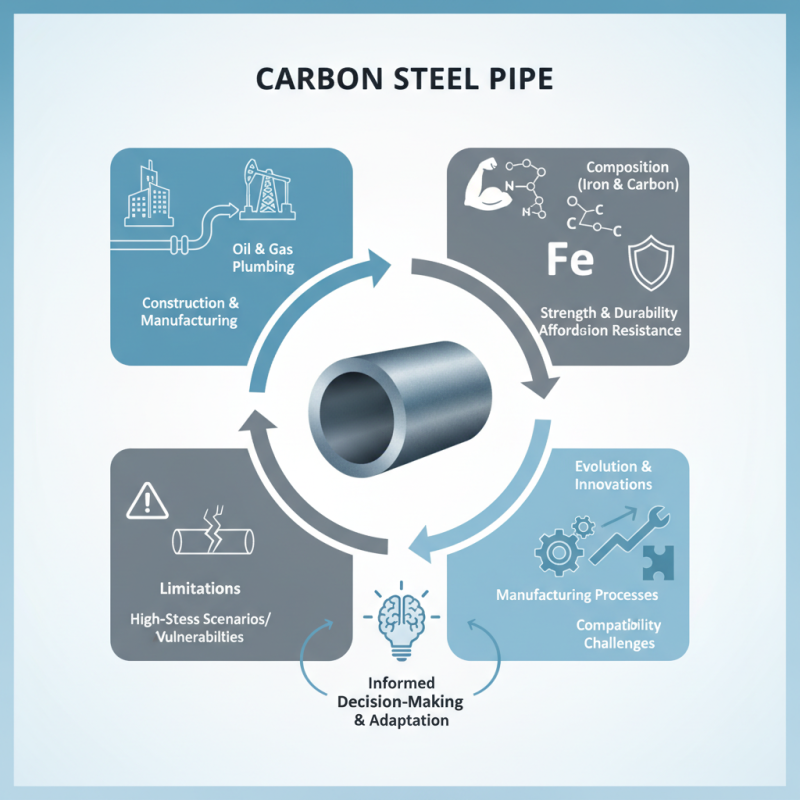
Carbon Steel Pipe is a vital component in construction and manufacturing. It plays an essential role in various industries, including oil and gas, construction, and plumbing. The strength and durability of Carbon Steel Pipe make it a preferred choice for numerous applications.
Understanding Carbon Steel Pipe involves recognizing its composition and benefits. It consists mainly of iron and carbon, giving it exceptional tensile strength. Many engineers appreciate its affordability and corrosion resistance. However, despite its advantages, it is not without limitations. Potential vulnerabilities in high-stress scenarios may compromise its integrity.
Over the years, Carbon Steel Pipe has evolved. Innovations have improved its manufacturing processes. Yet, challenges such as maintenance and compatibility remain. It's crucial for industry professionals to stay informed and adapt to these changes for optimal performance. Knowledge about these aspects prompts better decision-making in material selection.
What is Carbon Steel Pipe?
Carbon steel pipe is a type of pipe made primarily from carbon steel. This material contains a mix of iron and carbon, which enhances its strength and durability. The carbon content can vary, influencing the pipe’s hardness and potential use. Commonly, carbon steel pipes have excellent tensile strength. They are favored in construction and industrial applications due to these properties.
One key feature of carbon steel pipes is their versatility. They can be used for transporting fluids and gases. Additionally, they are suitable for structural applications, such as in building frameworks. Because of their strength and affordability, they play a crucial role in various industries, including oil and gas, water supply, and manufacturing. A potential downside is their susceptibility to corrosion if not properly treated. Regular maintenance is essential to ensure longevity.
In recent years, the demand for carbon steel pipe has fluctuated. Economic factors and environmental considerations have played a significant role. While they are reliable, it is important to consider alternatives in certain applications. Balancing strength, cost, and environmental impact is critical. This reflection allows industries to choose wisely based on their specific needs.
Composition and Types of Carbon Steel Pipes
Carbon steel pipes play a crucial role in various industries, including construction and manufacturing. Their composition mainly consists of iron and carbon, which gives them strength and durability. The carbon content typically ranges from 0.05% to 2.0%. This variation enables the production of different types of carbon steel pipes.
There are three primary types: low carbon, medium carbon, and high carbon steel pipes. Low carbon pipes are widely used for structural applications. They are easy to weld and form. Medium carbon pipes provide greater strength than their low carbon counterparts but are less ductile. High carbon pipes, with the highest strength, are suitable for applications requiring hard materials.
Tip: Always consider the specific requirements of your project when selecting pipe type. Testing material strength under real-world conditions can reveal weaknesses.
Improper selection can lead to failures in projects. Low carbon steel might be unsuitable for high-pressure systems. Similarly, high carbon pipes may not be ideal in situations needing flexibility. Always assess the application's demands.
Tip: Regular maintenance and inspection of carbon steel pipes can prevent unexpected failures. Corrosion can be a hidden threat. Focus on protective coatings to enhance longevity.
Applications of Carbon Steel Pipes in Various Industries
Carbon steel pipes are essential in various industries due to their strength and versatility. These pipes are widely used in construction, manufacturing, and transportation sectors. Their durability makes them ideal for high-pressure applications, such as oil and gas pipelines. The ability to withstand extreme temperatures adds to their appeal.
In the construction industry, carbon steel pipes serve as structural components. They provide robust support for buildings and bridges. In manufacturing, they are used to create machinery and equipment. The automotive sector utilizes these pipes for exhaust systems, ensuring efficient performance.
Tips: When selecting carbon steel pipes, consider corrosion resistance. You might want to apply protective coatings. Regular inspections are crucial to maintain safety and longevity. Balancing cost and quality can also be tricky. Look for reliable suppliers who can meet your specific needs.
Advantages of Using Carbon Steel Pipes
Carbon steel pipes have become a popular choice in various industries, thanks to their unique advantages. One significant benefit is their strength. These pipes can withstand high pressures and harsh conditions. They are perfect for oil and gas industries, where reliability is crucial. Their durability often means lower replacement costs over time.
Another advantage is their versatility. Carbon steel pipes come in various sizes and grades. This makes them adaptable for multiple applications, from plumbing to structural frameworks. They can be easily welded or fabricated, enhancing their usability.
However, it's important to consider that they can corrode if not properly maintained.
Tip: Regular inspections help in identifying possible weaknesses in carbon steel pipes. Addressing issues early can extend their lifespan. While they present great benefits, always weigh your options and consider the specific needs of your project. Overlooking factors like environmental conditions could lead to unexpected challenges.
Environmental Impact and Sustainability of Carbon Steel Pipes
Carbon steel pipes play a significant role in various industries. Their production and use involve sustainable practices that can mitigate environmental risks. The World Steel Association reports that carbon steel can be recycled over 100 times without degradation. This recyclability reduces waste and conserves resources.
The carbon steel pipe industry also aims to lower carbon emissions. According to a study by the International Energy Agency, steel production accounts for about 8% of global greenhouse gas emissions. Innovative manufacturing techniques are being developed to minimize this impact. Companies are investing in electric arc furnaces and renewable energy sources to produce greener steel.
Tips: Consider the lifecycle of materials. Look for local suppliers to reduce transportation emissions. It’s crucial to evaluate the environmental footprint of construction projects. Making informed choices on materials can lead to better outcomes for sustainability. Balancing quality with eco-friendliness is always a challenge. Reflecting on these factors can lead to significant improvements.
Carbon Steel Pipe Production and Recycling Rates