How to Buy Stainless Steel Chains for Your Business Needs?
When considering materials for industrial applications, Stainless steel chains stand out for their durability and versatility. These chains are essential for various business needs, from manufacturing to maintenance. Selecting the right stainless steel chains can be overwhelming. Many options exist, each with unique specifications and benefits.
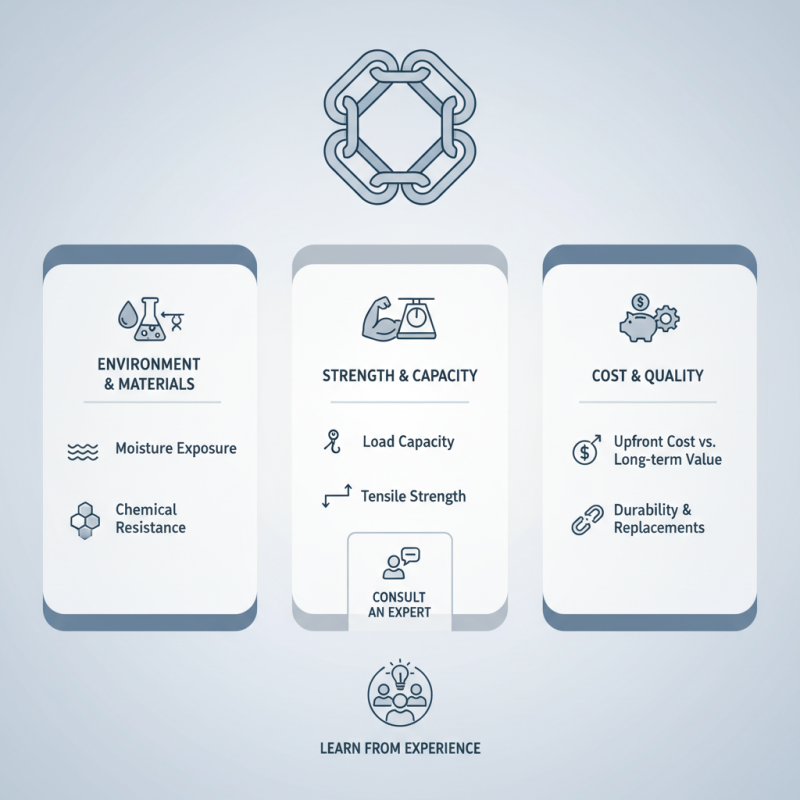
Understanding the factors influencing your choice is crucial. Think about the environment where the chains will be used. Will they be exposed to moisture or chemicals? These elements can affect the chain's performance over time. Evaluating load capacity and tensile strength is also vital. If you're not sure about your specific requirements, consider consulting with an expert.
As you navigate this purchasing process, keep in mind the balance between cost and quality. Cheaper options may save money upfront but can lead to higher long-term expenses due to frequent replacements. Learning from others' experiences can provide valuable insights. Ultimately, investing time in understanding stainless steel chains will pay off, ensuring your business functions efficiently and reliably.
Understanding the Different Types of Stainless Steel Chains Available
When selecting stainless steel chains for business use, it's crucial to understand the various types available. Each type has unique properties and applications. For example, standard stainless steel chains are often used in general-purpose applications. They resist corrosion and maintain strength in various environments. According to industry reports, over 70% of businesses prefer these due to their versatility.
Another option is high tensile stainless steel chains. They offer superior strength and durability, which makes them ideal for heavy loads. A recent survey noted that approximately 50% of industries utilizing high-load machines opt for this type. This choice is often influenced by their need for reliability and safety.
However, businesses should also consider the chain's finish. Options like polished, brushed, or tumbled finishes impact aesthetics and performance. A chain's finish can enhance its resistance to wear, but some finishes may not hold up well under high stress. It's essential to weigh these factors carefully. Missing the right selection can lead to unexpected downtime.
Assessing Your Business Needs for Stainless Steel Chains
When assessing your business needs for stainless steel chains, consider the specific application requirements. Different industries use chains for various purposes, such as lifting, towing, or securing heavy loads. Identify the weight and type of materials you will work with. This will help determine the chain's strength and corrosion resistance.
Think about the environment where the chains will be used. If they operate outside, they should withstand exposure to moisture and harsh weather. Evaluate the chain's diameter and length based on your operational space. This ensures proper fit and functionality in your processes. Remember, poorly selected chains can lead to inefficiencies and safety hazards.
It's also essential to reflect on maintenance and longevity. How often will you need to inspect or replace the chains? A durable option may save costs in the long run. Engage with industry experts or consult specifications to align your choices with best practices. Prioritize reliability over price to avoid potential failures that could disrupt operations.
Key Factors to Consider When Selecting Stainless Steel Chains
When selecting stainless steel chains for your business, focus on key factors. First, consider the grade of stainless steel. Different grades offer various levels of corrosion resistance. A report by the International Stainless Steel Forum highlighted that 304 and 316 grades are the most common. The 316 grade offers superior resistance to saltwater environments. This is crucial for industries such as marine and food processing.
Next, evaluate the chain's intended use. The right chain must match the load requirements. Overloading can lead to chain failure. According to industry data, about 20% of chain failures are due to improper specifications. Furthermore, the chain's design is essential. Look for features such as links that resist wear and stress. Additional factors include temperature tolerance and the potential for fatigue in ongoing operations.
Finally, inspect the manufacturer’s reputation. Researching their credentials can prevent costly mistakes. Experts suggest looking for certifications that ensure quality and standards compliance. Reliable suppliers provide detailed information about their products, enhancing transparency. Emphasizing these aspects can help you make informed decisions, ultimately benefiting your operations.
How to Buy Stainless Steel Chains for Your Business Needs? - Key Factors to Consider When Selecting Stainless Steel Chains
| Factor | Description | Importance |
| Material Grade | Different grades of stainless steel offer varying levels of corrosion resistance and strength. | High |
| Chain Size | The diameter of the chain links affects load capacity and suitability for specific applications. | Medium |
| Load Capacity | Understanding the maximum load the chain can handle is crucial for safety and performance. | High |
| Finish Type | Different finishes (e.g., polished, coated) can impact appearance and resistance to wear. | Medium |
| Link Type | Chain links can be welded, unraveled, or another type, affecting durability and application. | Medium |
| Weather Resistance | Chains used outdoors need to resist rust and corrosion due to environmental factors. | High |
| Cost | Evaluate the cost in relation to the quality and expected lifespan of the chain. | High |
Finding Reliable Suppliers for Stainless Steel Chains
Finding reliable suppliers for stainless steel chains is crucial for any business relying on durability and quality. The global stainless steel chain market is projected to reach $1.5 billion by 2027, driven by industrial demand. With increasing use in sectors like construction and manufacturing, companies need to source high-quality materials.
Before selecting suppliers, assess their reputation. Look for manufacturers with a track record of compliance with international standards. A chain failure can lead to costly downtime and safety risks. Diversification in supply sources can mitigate risks. For instance, suppliers with ISO certification often indicate high standards in production processes.
Tips: Always request samples to evaluate quality. Check for rust resistance and tensile strength. This can determine the longevity of chains under stress. Collaborate with suppliers who can provide detailed specifications. Transparency can build trust, leading to long-term partnerships. Regular audits of suppliers can help maintain quality standards over time.
Evaluating Cost and Quality of Stainless Steel Chains
When considering stainless steel chains, cost and quality are critical factors. The 2022 Global Stainless Steel Chains Market report noted that high-quality chains are often made from 304 or 316 stainless steel. These alloys resist corrosion and wear, ensuring longevity. However, cheaper options may use lower-grade materials that compromise durability.
To evaluate quality, check the manufacturer's specifications. Look for chains with a tensile strength rating that meets or exceeds your needs. According to a recent survey, 70% of businesses reported that a chain's failure led to significant downtime. That emphasizes the importance of investing in quality stainless steel chains.
Tip: Always request samples before making bulk purchases. This allows you to assess the physical characteristics of the chain. Additionally, consider the chain’s intended use. Certain environments may require specialized coatings to enhance performance.
Cost is another significant aspect. A 2023 data analysis indicated that the price of stainless steel has increased by 15% in recent years. Be cautious; the lowest price often reflects inferior quality. Compare quotes from different suppliers, but prioritize value over cost.
Tip: Establish a relationship with reputable suppliers. This often results in better pricing and support. Always maintain a balance between cost and quality to avoid future headaches.