2026 Best Towable Boom Lift Options for Efficient Access?
In today's fast-paced work environment, choosing the right equipment is crucial. A Towable Boom Lift stands out for its versatility and efficiency. This type of lift allows workers to access elevated areas safely and effectively. As projects grow in complexity, the demand for reliable machinery increases.
Towable Boom Lifts come in various sizes and specifications. They cater to different job requirements, from construction to maintenance tasks. Users often appreciate their portability and ease of setup. However, selecting the best option can be challenging. Each lift presents unique advantages and potential drawbacks that deserve careful consideration.
Exploring the 2026 Best Towable Boom Lift Options will provide valuable insights. These insights can help users make informed decisions. Understanding the specific needs of your project is key. With the right information, the perfect towable boom lift can enhance efficiency and safety on any job site.
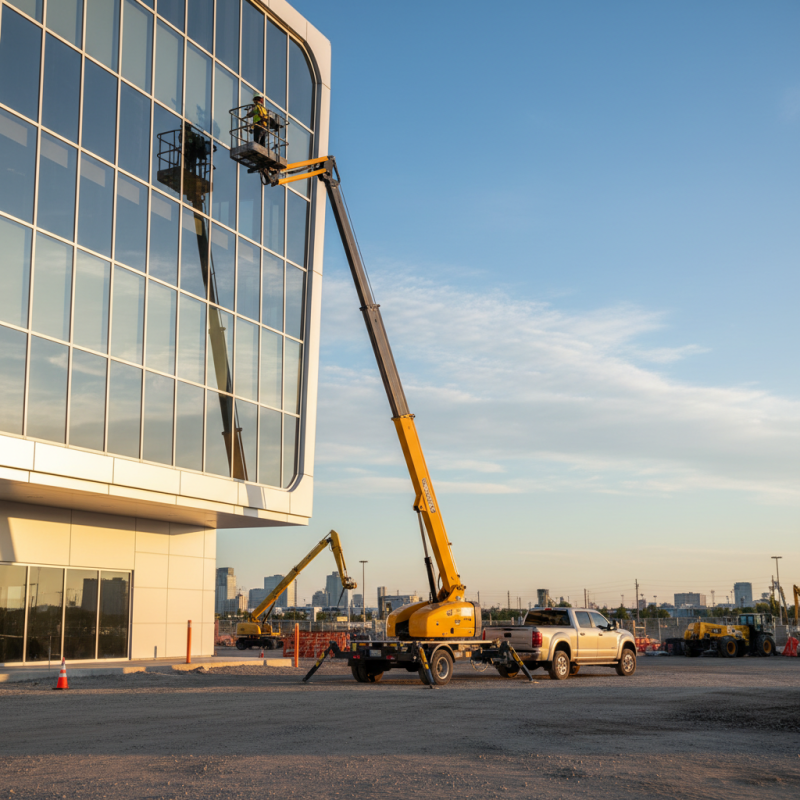
2026 Towable Boom Lift Overview and Key Specifications
When exploring towable boom lifts in 2026, understanding key specifications is essential. These lifts generally feature adjustable heights, extending anywhere from 30 to 60 feet. Weight capacity usually ranges between 500 to 1,000 pounds. Users are advised to check specific models, as variations exist. This can impact project efficiency.
Another aspect to consider is mobility. Many models come with wheels, allowing easy transport. However, the surface where they will operate is crucial. Certain surfaces may require stabilization options. Safety features, such as emergency shutdowns and harness points, should not be overlooked. Mistakes can happen if users overlook these essentials.
Effective planning enhances accessibility and safety. Familiarizing oneself with operational guidelines is vital. Training on proper use can mitigate risks. Faulty assumptions or inadequate preparation could lead to project delays. Reflecting on past experiences can help identify areas for improvement. Each choice matters in creating a successful work environment.
Factors Influencing Towable Boom Lift Performance and Efficiency
Towable boom lifts are essential for many outdoor tasks. Their efficiency often hinges on several critical factors. Weight capacity plays a significant role. Higher capacities allow for more tools and personnel. However, this can also affect maneuverability. Finding a balance is key.
The working height is another crucial factor. Operators must ensure they can reach the necessary heights safely. Heights vary among models. Not all jobs require the same reach. Therefore, assessing project needs is essential.
Weather conditions can impact performance as well. Some lifts perform poorly in windy or rainy situations. Operators must consider their local climate. It’s vital to evaluate each lift’s specifications thoroughly. With this reflection, making informed choices becomes easier.
Top Industry-Leading Brands and Models of Towable Boom Lifts
When choosing a towable boom lift, several industry-leading brands stand out. These models are noted for their reliability and efficiency. Recent data from equipment industry reports indicate that towable boom lifts have seen a 15% increase in demand over the past year. This trend reflects the growing need for versatile equipment across various sectors.
Cabin height is critical. Many models reach heights of up to 50 feet. This offers a significant advantage for construction and maintenance jobs. However, not all models are created equal. Certain designs may lack stability or require more effort to transport. Always consider weight and portability. Some lifts may be heavier than expected, affecting ease of use.
Tip: Always evaluate the lift's weight before purchasing. It's essential to ensure that your vehicle can tow it safely. Also, consider rental options for short-term needs. This way, you can assess the machine's performance before making a long-term investment. Choosing the right model is crucial, and making an informed decision can save time and money.
Safety Standards and Regulations for Towable Boom Lift Usage
When using towable boom lifts, safety must be a top priority. Adhering to safety standards is crucial. Operators should complete training programs before using the equipment. It's important for operators to understand the lift's features and functions. Regular inspections of the lift are necessary to identify potential issues. Equipment must be maintained to ensure safety during operation.
Know the local regulations governing boom lift usage. Different regions have varying guidelines. Compliance with these regulations helps prevent accidents. Operators should wear proper safety gear at all times. Harnesses and helmets are essential when working at heights. Check local traffic laws if working near roadways. Have a spotter present in busy areas to ensure safety.
Reflect on previous experiences. Did operators follow safety protocols? Were there any near misses? An honest evaluation can lead to better practices. Safety culture can always improve. Encourage open discussions about safety concerns among team members. Regular team meetings can foster a culture of safety. Remember, complacency is a risk. Stay vigilant and proactive in maintaining safety standards.
Cost Analysis and Budgeting Tips for Towable Boom Lift Investment
When considering a towable boom lift investment, cost analysis is essential. The average rental price for these lifts ranges from $150 to $500 per day. For long-term use, purchasing can be more economical. The initial cost typically falls between $20,000 and $50,000, depending on the model and features. Industry data shows that lifts with greater reach often have a higher resale value and better performance ratings.
Budgeting tips can help streamline your investment. Consider setting aside 20% of your budget for maintenance costs. Regular servicing can add years to the lift's lifespan. It's crucial to research and compare financing options. This step can reduce the immediate financial burden.
Investing wisely also means tracking usage metrics. If usage is less than 50% of the time, renting might be best. Remember to factor in insurance costs as well, which can vary based on coverage types. Making informed decisions now can save significant funds later.