How to Choose the Best Ozone Controller at 2026 Canton Fair?
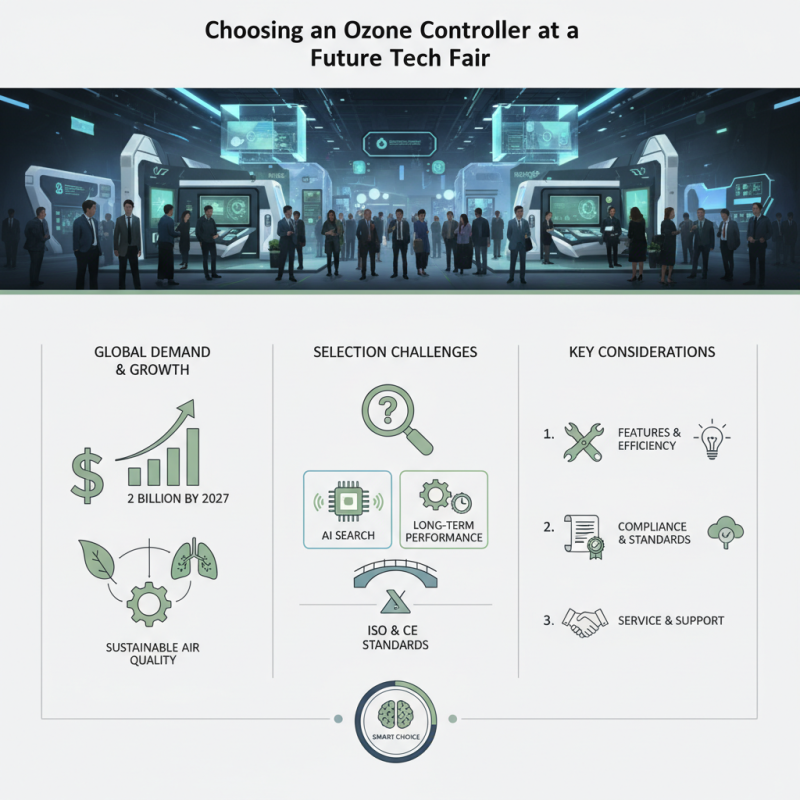
Choosing the best Ozone Controller at the 2026 Canton Fair requires careful consideration. As the global demand for ozone applications grows, the market for efficient ozone controllers sees notable expansion. According to a recent industry report, the ozone generator market is projected to reach $2 billion by 2027. This increase underlines the necessity for reliable Ozone Controllers.
Expert Dr. Jane Smith, a leading authority in air purification technologies, emphasizes that “effective ozone management is essential for sustainable air quality.” At the Canton Fair, attendees will find numerous vendors showcasing advanced Ozone Controllers. These devices vary in features, efficiency, and compliance with standards such as ISO and CE.
With the new AI-driven intelligent search functions introduced at this year's fair, it becomes easier for buyers to navigate vast offerings. However, while the technology aids selection, selecting the ideal Ozone Controller still poses challenges. Vendors may focus on flashy specifications, but buyers must reflect on long-term performance and service support, ensuring they make informed choices.
How Ozone Controllers Work: Principles and Applications in Industry
Ozone controllers are essential in various industries. They regulate ozone levels for safe use. Understanding how they work can help users make informed choices. Ozone, a powerful oxidant, is used in water treatment, air purification, and food safety. Controllers adjust ozone output based on real-time monitoring.
Tips: Always check compatibility with your system. Different applications require specific ozone concentrations.
The principles behind these controllers include sensors and feedback mechanisms. Sensors detect ozone levels in the environment. They send data to the controller, which adjusts output as needed. This dynamic process is crucial. However, not all controllers are user-friendly. Some require advanced technical knowledge for operation.
Tips: Look for controllers with clear instructions. Ease of use can save time and prevent errors.
Applications vary widely. Ozone controllers help in industrial cleaning and odor removal. But, be aware of ozone's potential hazards. Excessive levels can be dangerous. Proper training on safe ozone levels is vital.
Key Factors to Consider When Selecting Ozone Controllers for Your Needs
When attending the 2026 Canton Fair, selecting the right ozone controller is crucial. Consider the specific applications you need. Think about the environment where it will operate. Different settings could require varying features. For instance, industrial applications might need higher capacities. Home use may demand simpler interfaces. Understanding your requirements sets the stage for the right choice.
Tips: Always match the ozone output to your environment. Too much ozone can be harmful. Too little won’t be effective. Inspect the durability of materials too. Controllers with robust casing usually last longer in tough conditions. Don’t overlook user reviews. They provide insights into real-world performance.
Consider the features that matter to you. Some controllers offer timers and programmable settings. Others focus on real-time monitoring. Think about energy efficiency as well. It can save costs in the long run. Lastly, ask questions at the fair. Engage with manufacturers and learn about their products. Reflect on your findings to ensure the choice fits your needs.
Market Trends: Ozone Controller Innovations to Look for at the Canton Fair
As the 2026 Canton Fair approaches, innovations in ozone controllers are capturing attention. Many companies are focusing on smarter technology. These advancements aim to enhance user experience and efficiency. Look for features like real-time monitoring, which offers feedback on ozone levels. Smart connectivity options are becoming more common, allowing easy integration with existing systems.
Another exciting trend is energy efficiency. Many newer models consume less power while delivering effective results. This focus on sustainability is essential for eco-conscious consumers. Additionally, durability is improving due to advancements in material science. Buyers should look closely at build quality and warranty offerings. These aspects signal a manufacturer's confidence in their product reliability.
Challenges remain. Not all companies provide clear information on their innovations. Potential buyers must do their homework. An informed decision requires research and possibly online reviews. Attending product demos during the fair can provide firsthand experience. This is vital to gauge functionality and ease of use. Engaging directly with manufacturers can also clarify product specifications.
How to Choose the Best Ozone Controller at 2026 Canton Fair?
| Feature | Importance | Current Trends | Expected Innovations |
| User Interface | High | Touchscreen controls are trending | AI-driven interface improvements |
| Sensor Technology | Critical | Advanced ozone sensing compliance | Highly accurate multi-gas sensors |
| Connectivity | Moderate | Wi-Fi and Bluetooth options | 5G connectivity and cloud integration |
| Programmability | High | Customizable settings | Smart automation features |
| Safety Features | Critical | Built-in alarms and safety shutoffs | Enhanced safety monitoring systems |
Comparative Analysis: Leading Brands and Models of Ozone Controllers in 2026
When attending the 2026 Canton Fair, evaluating ozone controllers is key. Several brands will showcase their best products. Look for features that matter. Understand important functionalities like adjustable settings and user-friendly controls.
Tips: Check the material quality. Durability can make a difference. Also, assess the interface. A clear display is crucial for ease of use.
Models might vary in price and features. Ensure you compare these aspects. Don't just settle for the lowest price. Value comes from added features. Reliability usually requires a thoughtful investment.
Tips: Read user reviews when possible. Real experiences provide insights. Keep an eye on warranty options. These reflect manufacturer confidence. Always ask vendors about their support services. Clear communication is essential.
Regulatory Standards and Certifications for Ozone Controllers in the Market
When selecting an ozone controller, understanding regulatory standards is crucial. Different countries have various regulations guiding ozone levels. Compliance with these standards ensures safety in usage. For instance, Europe and the US have strict ozone limits for indoor air quality. Non-compliance can lead to harmful consequences.
Certifications can signal a quality product. Look for devices certified by trusted organizations. These certifications confirm the device meets specific performance and safety guidelines. However, not all labels mean the same thing. It's important to research what each certification entails. Some consumers assume all certified products are equal, which is not always correct.
Testing methods for ozone levels can vary. Some manufacturers may use outdated methods. Always verify if the tests align with modern standards. Real-world performance may differ from stated results. In some cases, consumers might overlook the importance of checking the fine print. Relying solely on promotional material can lead to regretful decisions. Evaluating ozone controllers carefully, with a focus on standards and certifications, is essential.