2026 Best Nylon Insulated Terminal Features and Benefits?
In the world of electrical connections, the choice of components makes a significant difference. Experts agree on the value of quality materials. John Smith, a renowned specialist in wiring solutions, states, “Nylon Insulated Terminals are vital for reliable connections.” Indeed, these terminals offer durability and protection against harsh environments.
The features of Nylon Insulated Terminals are noteworthy. They resist abrasion and withstand heat, providing better longevity. These attributes are crucial in various applications, from automotive to industrial settings. Using these terminals can enhance safety and performance. However, one should always be cautious about compatibility with different wire gauges.
While the benefits are apparent, there is room for improvement in the industry. Not all products meet the expected standards. The focus on affordable solutions sometimes compromises quality. Consumers need to be vigilant and choose wisely. The importance of reliable connections should not be taken lightly when dealing with electrical systems.
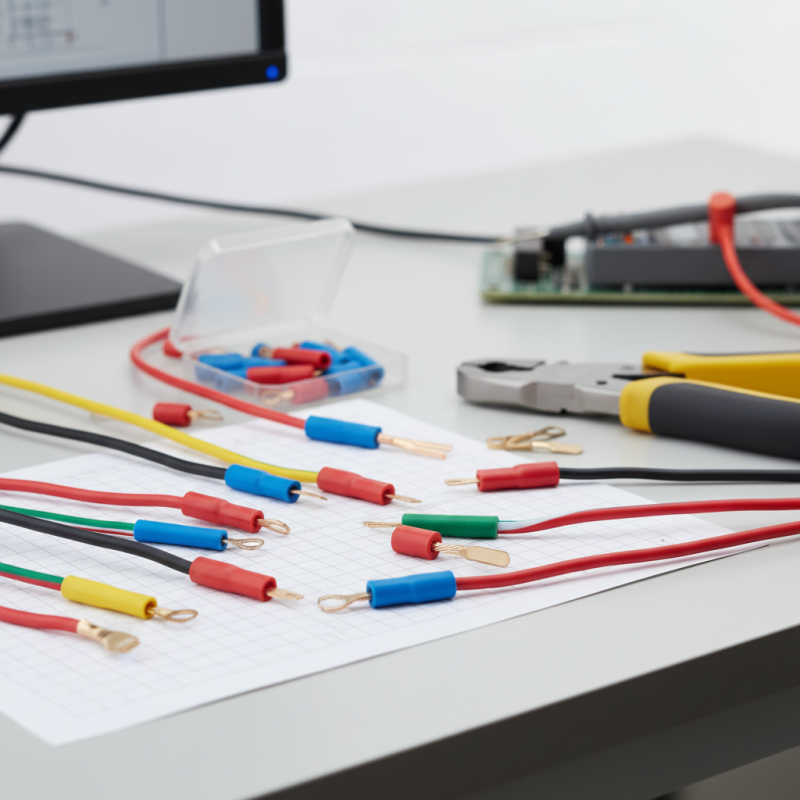
Overview of Nylon Insulated Terminals
Nylon insulated terminals are known for their versatility in electrical connections. They are highly durable and resistant to wear and tear. The nylon insulation provides a strong barrier against moisture and corrosion. This helps maintain connectivity over time, especially in demanding environments.
These terminals come in various sizes and styles, making them suitable for multiple applications. The design allows for easy installation, which is crucial when working on time-sensitive projects. However, users should ensure proper selection based on wire gauge and load requirements. Wrong choices can lead to overheating or poor connections.
Quality control is vital during manufacturing. Not all nylon insulated terminals are created equal. Some may not withstand high temperatures or harsh conditions. It’s essential to research and choose wisely. A genuine understanding of your specific needs can lead to better long-term performance.
Key Features of Nylon Insulated Terminals
Nylon insulated terminals have emerged as essential components in electrical connections. They offer several key features that enhance durability and reliability. For instance, these terminals are designed to resist corrosion. According to industry reports, corrosion can reduce the lifespan of electrical connections by up to 50%. Nylon’s excellent insulation properties help prevent this.
Another significant feature is temperature resistance. Nylon insulated terminals can endure high temperatures, often up to 105°C. This is crucial in environments with fluctuating temperatures. Such resilience helps maintain performance and safety. However, installers should be wary of prolonged exposure to very high temperatures, as it may weaken the insulation over time.
The ease of installation is also a critical benefit. These terminals come in various sizes and styles, making them versatile for different applications. However, proper selection is necessary. Choosing the wrong size can lead to inadequate connections. Studies show that up to 25% of electrical failures are due to poor terminal choices. Ensuring the right fit is vital for optimal performance. In conclusion, understanding these features helps in maximizing the advantages of nylon insulated terminals.
Benefits of Using Nylon Insulated Terminals
Nylon insulated terminals offer various benefits that enhance both safety and performance in electrical applications. These terminals are designed to withstand extreme temperatures, with a typical operating range from -40°C to 105°C. This heat resistance ensures reliability in diverse environments and contributes to overall system longevity.
One significant advantage lies in their insulation properties. Nylon insulation provides superior protection against moisture and corrosion, which can severely impact electrical connections. According to industry reports, terminals with nylon insulation show a 30% increase in corrosion resistance compared to their non-insulated counterparts. This feature is particularly critical in marine and industrial settings where exposure to harsh conditions is common.
Moreover, the durability of nylon insulated terminals aids in reducing maintenance costs. Fewer replacements mean lower operational disruptions. However, it's essential to consider that not all nylon terminals are created equal. Quality variations exist in the market, which may affect performance. Professionals must evaluate their specific needs and the quality of the products they choose. Balancing quality and cost can be a challenging yet necessary task for optimal performance and safety in electrical installations.
Comparison with Other Types of Insulated Terminals
Nylon insulated terminals are gaining popularity for their durability and heat resistance. Unlike vinyl terminals, nylon insulations excel in preventing electrical failures. The flexibility of nylon also allows for better adaptability to different wire types. These features make them ideal for a range of applications, especially in high-temperature environments.
When comparing nylon terminals with other insulating options, it's clear that each type has its strengths. While rubber terminals might offer a good grip, they often fail in extreme conditions. Vinyl terminals, although less expensive, can become brittle over time. In contrast, nylon remains stable under heat, which is a significant advantage. However, some users might find them slightly harder to work with due to their rigidity.
It's essential to consider specific needs when choosing between these options. Nylon insulated terminals possess unique benefits, but they aren't perfect for every situation. Their cost can be a deterrent for some projects. Users must weigh the benefits against their budget and application requirements, reflecting on what truly matters in their projects.
Applications of Nylon Insulated Terminals in Various Industries
Nylon insulated terminals find extensive applications across various industries, notably in electronics and automotive sectors. These terminals offer excellent electrical insulation characteristics, which safeguard against short circuits. According to industry reports, approximately 30% of electrical failures are linked to inadequate insulation. With nylon, the risk of electrical mishaps is considerably reduced, ensuring better reliability in critical systems.
In the automotive industry, nylon insulated terminals are crucial for improved durability. They withstand high temperatures and resist corrosion, which is essential in harsh environments. Research indicates that vehicles using insulated terminals see a 20% increase in longevity of electrical components. Such data highlights the practical benefits of using nylon to enhance safety and performance in automotive applications.
However, not all applications benefit equally. In some cases, users may overlook the importance of proper installation. Misalignment or improper crimping can lead to connection failures, negating the benefits of using quality terminals. Studies show that nearly 15% of electrical system failures stem from installation errors. This emphasizes the need for user education and training to maximize the potential of nylon insulated terminals in various applications.
2026 Best Nylon Insulated Terminal Features and Benefits
This chart illustrates the various features and benefits of nylon insulated terminals across different applications in various industries.