Best High Temperature Conveyor Rollers at 2026 Canton Fair?
As the 2026 Canton Fair approaches, the spotlight is set on various industries, including the crucial sector of High Temperature Conveyor Rollers. Industry expert Dr. Emily Zhang emphasizes, "Choosing the right rollers can significantly affect production efficiency." In an environment where advanced manufacturing takes center stage, suppliers will showcase their latest innovations tailored for extreme conditions.
The introduction of AI technology at this year's fair will redefine the purchasing experience. Buyers can quickly identify certified suppliers, ensuring access to high-quality High Temperature Conveyor Rollers. Navigating the expansive 155,000 square meters of exhibits will be streamlined, enhancing the overall efficiency of the fair.
However, challenges persist. While advancements occur, some manufacturers struggle to meet the stringent standards. The potential for errors in certification might lead to unreliable products. It's crucial for buyers to remain vigilant and thoroughly vet options, even in an advanced setting like the Canton Fair. This approach will safeguard their investments and ensure operational success.
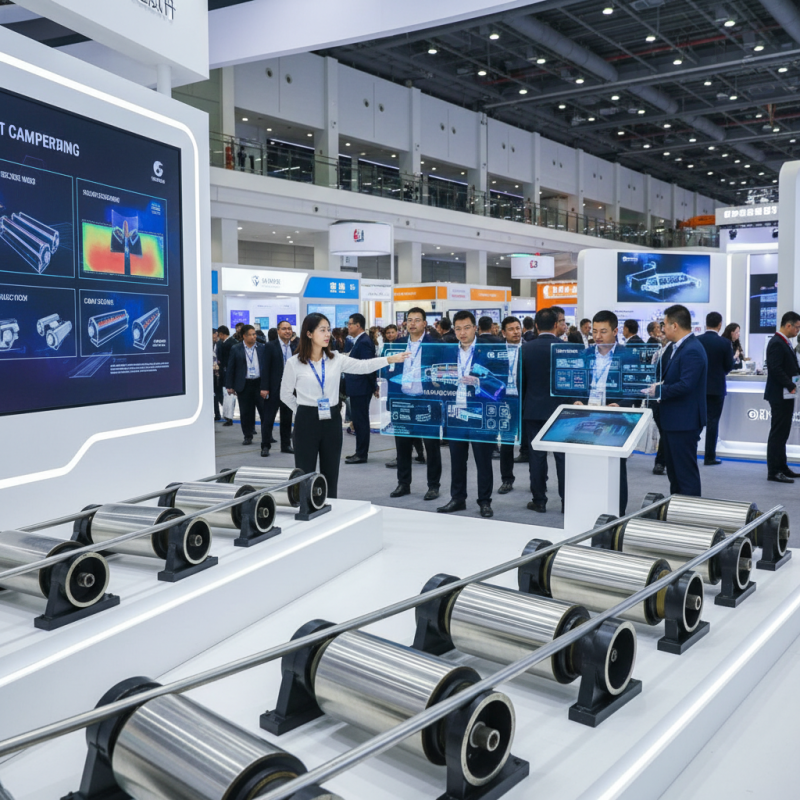
Overview of High Temperature Conveyor Rollers in the Industry
In the conveyor roller industry, high-temperature rollers are vital for various applications. These rollers often operate in extreme environments, handling materials like molten metal or hot asphalt. According to industry reports, around 30% of all conveyor systems face challenges due to heat-related wear. This highlights the need for durable, high-temperature solutions.
Manufacturers are focusing on materials that can withstand elevated temperatures. For instance, specially formulated thermoplastics are gaining traction. These materials can endure temperatures up to 250°C. However, not all manufacturers can consistently provide the required quality. Some fail to meet industry standards, leading to breakdowns or inefficiencies.
The demand for high-temperature conveyor rollers is projected to grow. Analysts estimate a compound annual growth rate (CAGR) of 7% over the next five years. This surge is driven by industries like recycling and metal processing. Despite this growth, challenges remain. Oftentimes, companies struggle with proper maintenance practices that can extend roller lifespans. Failing to address wear and tear can result in costly downtimes and disruptions.
Key Features to Consider When Selecting Conveyor Rollers
When selecting conveyor rollers for high-temperature applications, several key features must be considered. Material selection is critical. Most high-temperature rollers use specialized materials like stainless steel or heat-resistant plastics. These materials withstand elevated temperatures without deforming or losing strength. Studies indicate that proper material can enhance roller lifespan by up to 40%.
Load capacity is another essential factor. High-temperature environments often require rollers to handle more weight. Checking load ratings ensures the rollers can support the total weight of materials transported. For instance, rollers designed for high temperatures can carry loads ranging from 250 kg to over 1,000 kg, depending on the design.
Design plays a significant role in performance. The roller's diameter and configuration can influence efficiency. Larger diameters typically allow smoother movement and reduced friction. However, if the design is too complex, it may lead to maintenance challenges. Regular inspections are necessary to ensure optimal performance, which can be a tedious task if not properly managed. Selecting the right features while balancing performance and maintenance needs is crucial for a successful conveyor system.
Leading Manufacturers Showcased at the 2026 Canton Fair
The 2026 Canton Fair highlighted several exciting choices in high-temperature conveyor rollers. Key manufacturers displayed innovative designs. These rollers are essential in various industries, particularly where heat management is critical. The advanced materials used not only resist high temperatures but also ensure durability.
Visitors were impressed by the cutting-edge technology presented. Robust testing methods were showcased, allowing for high efficiency. Many attendees noted the importance of proper selection based on specific needs. However, some manufacturers seemed to overlook detailed explanations of their products, leaving potential buyers with unanswered questions.
Engagement with manufacturers is key. Conversations revealed concerns about compatibility with existing systems. Some showcased designs required further refinement to meet practical applications. The fair generated a mix of enthusiasm and uncertainty, reminding everyone that innovation is an ongoing journey. Each manufacturer pushed boundaries, yet there remains room for improvement.
Innovations and Technologies in High Temperature Conveyor Rollers
The 2026 Canton Fair is set to showcase exciting innovations in high temperature conveyor rollers. These products are essential in industries like steel and glass, where temperatures can soar. New designs focus on increased durability and efficiency. Many exhibitors will present rollers that can withstand extreme conditions, enabling smoother operations.
Among the advancements, materials have seen significant improvements. Recent innovations use a blend of ceramics and specialized polymers. These materials resist deformation and wear. Users may be surprised by the reduction in maintenance costs. However, some high temperature rollers still face challenges in heat retention. This could impact their longevity and performance.
Industry leaders push for further development in this area. They aim to enhance thermal stability while reducing costs. Collaboration between engineers and manufacturers is vital. Innovations often emerge from trial and error. Many prototypes still need refinement before they can meet industry standards. This ongoing dialogue fosters a culture of improvement and sustainability in conveyor technology.
Market Trends and Demands for Conveyor Rollers Post-2026 Fair
The conveyor roller market is evolving. Post-2026 Canton Fair, several trends are noticeable. High-temperature conveyor rollers are gaining traction. Industries focused on heat resistance are prioritizing these products. This rise aligns with sectors needing effective heat management. The demand is driven by manufacturing, food processing, and material handling.
Many buyers seek sustainability alongside performance. Eco-friendly materials are becoming necessary. However, some manufacturers still rely on traditional options. This creates a gap in expectations. Customers prefer innovation over the usual solutions. Yet, not every supplier adapts quickly to these changes.
Operational efficiency remains a priority. Companies want reliable conveyor systems that minimize downtime. However, the scale of operations often leads to overlooking quality control. This can result in costly replacements. Feedback from users suggests a need for enhanced testing protocols. Addressing these issues could enhance market competitiveness.
Market Trends and Demands for Conveyor Rollers Post-2026 Fair