10 Best Double-Ended Dowel Pins for Your Next Project?
In the world of woodworking and construction, the use of a Double-Ended Dowel Pin can prove invaluable. Renowned woodworking expert John Smith states, “A strong joint always starts with the right fastener.” Double-Ended Dowel Pins play a critical role in creating stable and reliable connections in various projects.
These versatile fasteners possess two ends, allowing for easy alignment and seamless construction. Artisans and builders often prefer them for their strength and precision. However, choosing the best Double-Ended Dowel Pins can be challenging. With numerous options available, selecting the right kind is crucial.
Most people overlook the significance of quality in choosing dowel pins. Low-quality pins may lead to weak joints and structural failures. Recognizing the importance of durability is essential. When you embark on your next project, consider investing in top-tier Double-Ended Dowel Pins.
What Are Double-Ended Dowel Pins and Their Applications in Woodworking?
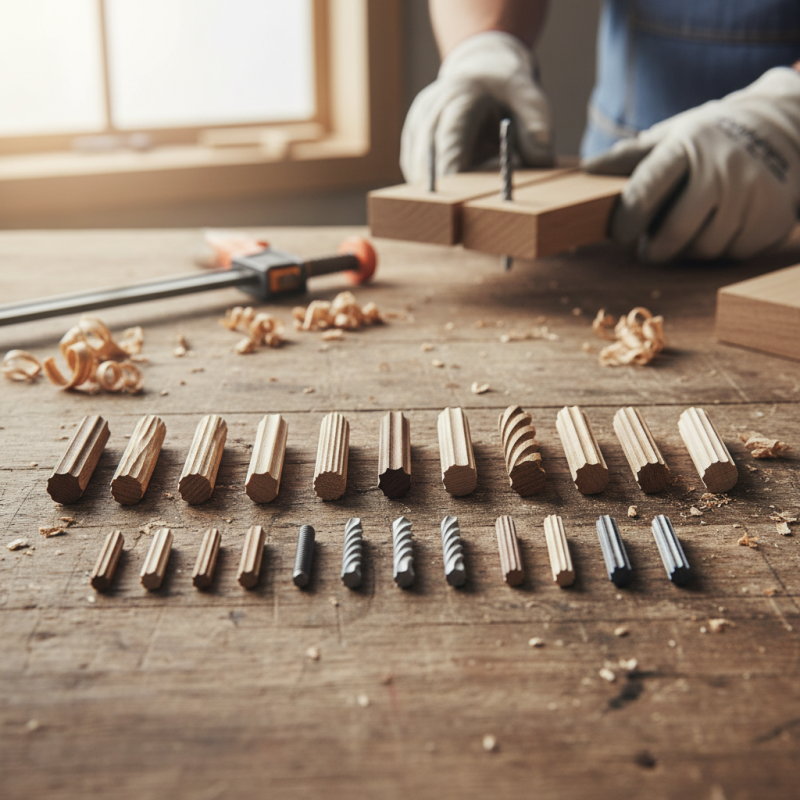
Double-ended dowel pins are essential fasteners used in woodworking. Their design features cylindrical shapes with a pin on both ends, simplifying alignment and joining of two wood pieces. These pins enhance structural stability while allowing for easy disassembly. Reports from the Woodworking Industry Association indicate that they improve joint strength by up to 30%, making them a favored choice for furniture makers.
One application of double-ended dowel pins is in frame construction. They efficiently secure joints in tables and chairs, providing durability. Additionally, their versatility allows for use in cabinetry and cabinetry assemblies. A key point to remember is that not all materials are suitable for dowel pins. Softwoods may split, while dense hardwoods provide excellent support.
Tips: When using double-ended dowel pins, ensure precise alignment. Misalignment can lead to structural issues. Consider pre-drilling holes for smoother insertion. Always conduct a test with scrap materials first. This practice minimizes errors in your final project, saving both time and resources.
Top 10 Double-Ended Dowel Pins Usage in Woodworking Projects
Key Features to Look for When Choosing Double-Ended Dowel Pins
When selecting double-ended dowel pins, it's essential to consider several key features. The material composition is crucial. High-quality steel pins offer superior strength and durability. Reports indicate that stainless steel pins increase resistance to corrosion by up to 40%. This is vital for projects exposed to moisture or extreme temperatures.
Next, precision is a critical factor. The diameter and length should be accurate for a secure fit. Deviations can lead to structural weaknesses. Industry studies find that a misfit pin can reduce joint strength by an alarming 30%. Additionally, the finish matters. A smooth surface ensures easy insertion and minimizes wood splitting during assembly, enhancing the overall integrity of the project.
Lastly, keep in mind the load-bearing capacity. Different projects demand different strengths. In woodworking, dowel pins need to accommodate shear loads effectively. Some reports suggest that pins rated for higher loads (over 500 pounds) are preferable for heavy-duty applications. Always strive for a balance between performance and cost. Reflecting on past projects can reveal areas for improvement in choosing the right dowel pins for future tasks.
Comparative Analysis of Popular Materials for Dowel Pins and Their Strength
When selecting dowel pins for your projects, material choice is crucial. Wood, metal, and plastic each have unique properties. Wooden dowel pins are often easy to find and work with. They blend well in woodworking projects. However, they can warp over time, especially in humid conditions.
Metal dowel pins are quite strong. They resist bending and are ideal for heavy-duty applications. Stainless steel pins, in particular, excel in durability. They have excellent strength but can be more challenging to work with, requiring drilling and precision.
On the other hand, plastic dowel pins are lightweight and resistant to corrosion. Yet, they might not provide the same load-bearing capacity as wood or metal options.
It's essential to consider the specific demands of your project. Think about stress levels, environmental factors, and aesthetics. Some materials may excel in one area but falter in another. Testing your selections in small applications can yield insights. Adjustments may be necessary based on real-world performance, making evaluation an ongoing process.
Top 10 Double-Ended Dowel Pins: Specifications and Industry Ratings
When it comes to woodworking, selecting the right double-ended dowel pins can dramatically influence project outcomes. These pins facilitate strong joins between pieces of wood, offering structural integrity. However, the variety available can be overwhelming. A good dowel pin should balance strength, durability, and ease of use.
Many professionals emphasize the importance of material choice. Stainless steel, for example, provides excellent strength and corrosion resistance. Look for dowel pins that are rated for specific load capacities to ensure they meet your project's demands. While some pins may appear ideal, always assess their specifications thoroughly. Don’t overlook potential quality discrepancies between manufacturers. Checking reviews from other woodworkers can also provide valuable insights.
In addition to strength, consider the diameter and length of the dowel pins. Incorrect sizing can lead to alignment issues, which could thwart your entire project. Remember, the fit needs to be snug yet not overly tight. Finding the right balance is crucial but also often challenging. Reassessing old techniques might yield better results. Embracing a mindset of continuous improvement ensures your woodworking projects evolve.
Best Practices for Installation and Use of Double-Ended Dowel Pins in Projects
When using double-ended dowel pins, accuracy is key. Begin by measuring the alignment of your workpieces. Use a center punch to create guide marks. This ensures precise drilling, minimizing errors during installation. A stable workspace is vital; any movement can lead to misalignment.
During installation, apply a small amount of wood glue to the dowel pins. This enhances the bond and adds stability. Insert the pins with a gentle tap to avoid splitting the wood. Ensure they are flush with the surface; protruding pins can cause issues during assembly.
It’s important to reflect on your techniques. Beginners often underestimate the importance of proper installation. Misaligned pins can lead to weak joints. Take the time to ensure everything aligns perfectly. Patience pays off in achieving a strong, durable connection in your project.