Top 10 Benefits of Using Valve DC Gear Motors for Your Projects?
In the world of automation and robotics, the role of the Valve DC Gear Motor cannot be underestimated. Renowned expert Dr. Emily Carter once stated, “The efficiency and precision provided by Valve DC Gear Motors transform any project’s potential.” This powerful statement reflects the growing significance of these motors in various applications.
The Valve DC Gear Motor combines compact design with robust performance. It facilitates smooth operation in tight spaces, making it ideal for intricate projects. Many engineers prefer it for its reliability and versatility. Despite their advantages, there are challenges associated with implementation. Compatibility with existing systems can sometimes be an obstacle.
Moreover, understanding the specific needs of each project is crucial before selecting the right motor. Not considering this can lead to issues down the road. While the benefits are clear, they do not come without considerations. Using Valve DC Gear Motors effectively requires careful evaluation and a strategic approach.
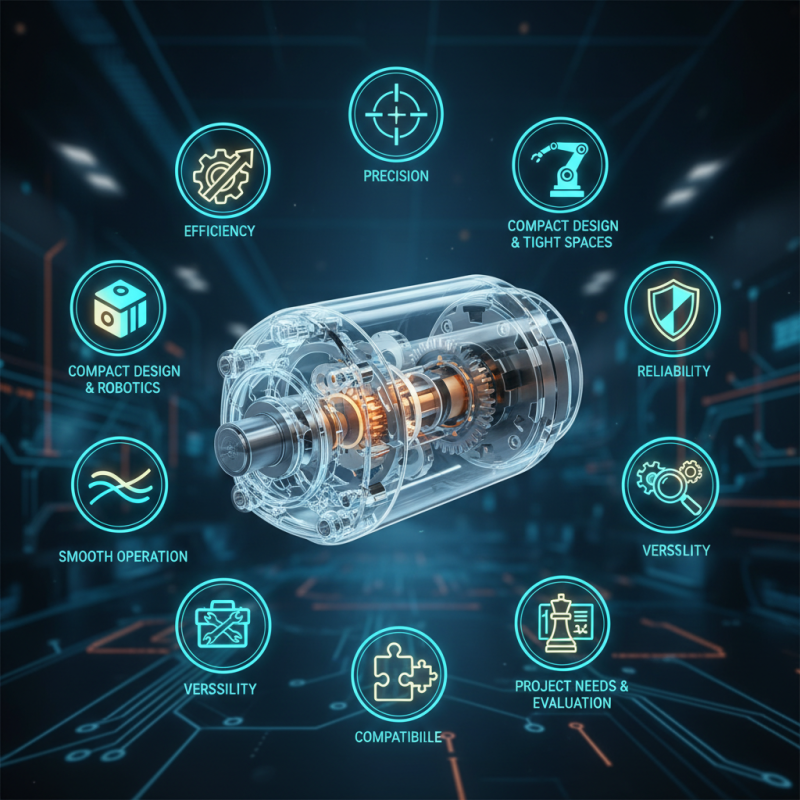
Overview of Valve DC Gear Motors and Their Applications
Valve DC gear motors are essential components in various applications. They combine direct current (DC) motors with gear systems to produce high torque at low speeds. This design suits many projects, from robotics to automation systems. Their compact size and lightweight nature allow for easy integration into limited spaces.
In industrial settings, valve DC gear motors control gate mechanisms and conveyor systems. They provide precise motion control and improve efficiency. For hobbyists, these motors are perfect for projects that require speed and reliability. However, some challenges remain. The initial setup might be daunting for newcomers. Understanding the torque and speed requirements can be complex, and miscalculations may lead to underperformance.
In agricultural applications, valve DC gear motors drive irrigation systems. They help conserve water and optimize resources. While they offer great benefits, users must be mindful of maintenance. Dust and environmental factors can affect performance. Regular checks and calibrations can prevent potential issues and extend the lifespan of these motors.
Enhanced Performance and Efficiency with Valve DC Gear Motors
Valve DC gear motors offer significant enhancements in both performance and efficiency. These motors are designed to operate at varying speeds and torque levels, making them ideal for diverse applications. According to a report by the International Journal of Electrical Engineering & Technology, gear motors can improve energy efficiency by up to 30%. This reduction is crucial, especially in industries where power consumption is a concern.
The durability of valve DC gear motors contributes to their effectiveness. With enhanced gear designs, these motors can handle high stress while maintaining optimal performance. However, some users may find the initial setup complex. A minor error during installation can lead to inefficiency. Proper calibration is essential to harness the full potential of these motors.
Moreover, the compact size of valve DC gear motors allows for easier integration into various projects. Their lightweight construction facilitates installation in confined spaces. But, not all applications fully utilize the benefits. It’s important to assess whether the specific requirements match the capabilities of the motors. Each project presents unique challenges that might not always align with standard solutions.
Top 10 Benefits of Using Valve DC Gear Motors for Your Projects
This chart displays the top benefits of using Valve DC gear motors in various projects, showcasing how they enhance performance and efficiency.
Cost-Effectiveness of Implementing Valve DC Gear Motors
The cost-effectiveness of implementing valve DC gear motors is a key consideration for many projects. These motors offer reliable performance while lowering operational expenses. They are designed to optimize energy usage, decreasing electricity costs over time. Users report that these motors can significantly extend battery life in applications like robotics and automation systems.
Investing in valve DC gear motors can lead to substantial long-term savings. Although the initial purchase may seem higher, the durability often compensates for this. These motors generally require less frequent replacement and maintenance, making them a wise choice. However, some projects may face compatibility issues, requiring additional steps for integration.
While their efficiency is notable, it's important to assess specific project needs. Not all applications will benefit equally. In some cases, they may not deliver the expected performance under heavy loads. This necessitates a detailed evaluation before making a commitment. Careful planning and consideration can help address potential shortcomings.
Longevity and Maintenance Benefits of Valve DC Gear Motors
Valve DC gear motors are becoming increasingly popular in various applications. Their longevity and low maintenance requirements make them an attractive option. According to industry reports, these motors can have a lifespan exceeding 20,000 hours when operated under optimal conditions. This durability reduces the frequency of replacements, saving both time and resources.
Regular maintenance is crucial, even for these robust motors. While they may require less frequent servicing, neglect can lead to unnecessary wear. A study found that 25% of motor failures stem from improper maintenance. Simple checks can go a long way. Inspecting for dust accumulation and ensuring proper lubrication can extend the operational life significantly.
Tip: Establish a routine maintenance schedule to prevent issues.
Another striking benefit is the energy efficiency of Valve DC gear motors. They often run cooler than traditional motors, which enhances their longevity. In fact, energy-efficient designs can reduce power consumption by up to 30%. It’s essential to analyze project requirements carefully. Choosing the right specifications can lead to long-term savings.
Tip: Evaluate energy consumption during the design phase.
In conclusion, the longevity and maintenance benefits of Valve DC gear motors are evident and critical for successful project outcomes.
Top 10 Benefits of Using Valve DC Gear Motors for Your Projects
| Benefit | Description |
| Longevity | Valve DC gear motors are designed for long-lasting performance, reducing the need for frequent replacements. |
| Low Maintenance | These motors require minimal maintenance, leading to lower operational costs over time. |
| Energy Efficiency | They provide efficient power use, translating to energy savings in various applications. |
| Compact Design | The compact size is ideal for space-constrained projects without sacrificing performance. |
| High Torque | Offers high torque at low speeds, suitable for applications requiring significant force. |
| Versatility | Ideal for a variety of applications, from robotics to conveyor systems. |
| Smooth Operation | Operate smoothly and quietly, minimizing operational noise in sensitive environments. |
| Easy Integration | Can be easily integrated into existing systems and projects without extensive modifications. |
| Cost-Effective | Provides a cost-effective solution for motor needs with reliable performance. |
Versatility Across Different Industries and Projects Using Valve DC Gear Motors
Valve DC gear motors are gaining popularity across various industries. Their flexibility makes them suitable for diverse applications. From robotics to automotive, these motors excel in different environments. They offer precise control and reliable performance in many projects.
When choosing a valve DC gear motor, consider the torque requirements. Some projects may need higher torque for better performance. Also, speed control is crucial. In some scenarios, lower speeds are essential for accuracy. Always evaluate your project needs before making a decision.
Tips: Test the motors in real conditions. This can reveal their strengths and weaknesses. It helps you to identify any limitations. Additionally, ensure you have a suitable power supply. An incompatible supply can lead to motor failure or inefficiency. Always think about the long-term effects of your choices.