Top 5 Benefits of Industrial Hard Chrome Plating for Your Needs?
Industrial hard chrome plating is a valuable technique in various industries. Its benefits extend beyond aesthetics, enhancing performance and durability of components. This process involves applying a thick layer of chromium onto metal surfaces, providing superior protection against wear and corrosion.
Many industries, from automotive to aerospace, rely on industrial hard chrome plating for critical applications. It improves the lifespan of machinery parts, reducing the frequency of replacements. However, challenges exist in achieving the perfect coating. Flaws can occur if the surface preparation is insufficient or if the application process is rushed.
Understanding the pros and cons of this method is essential for making informed decisions. Ensuring quality control and expert execution can lead to significant improvements in operational efficiency. As more companies explore this option, knowledge about industrial hard chrome plating becomes crucial.
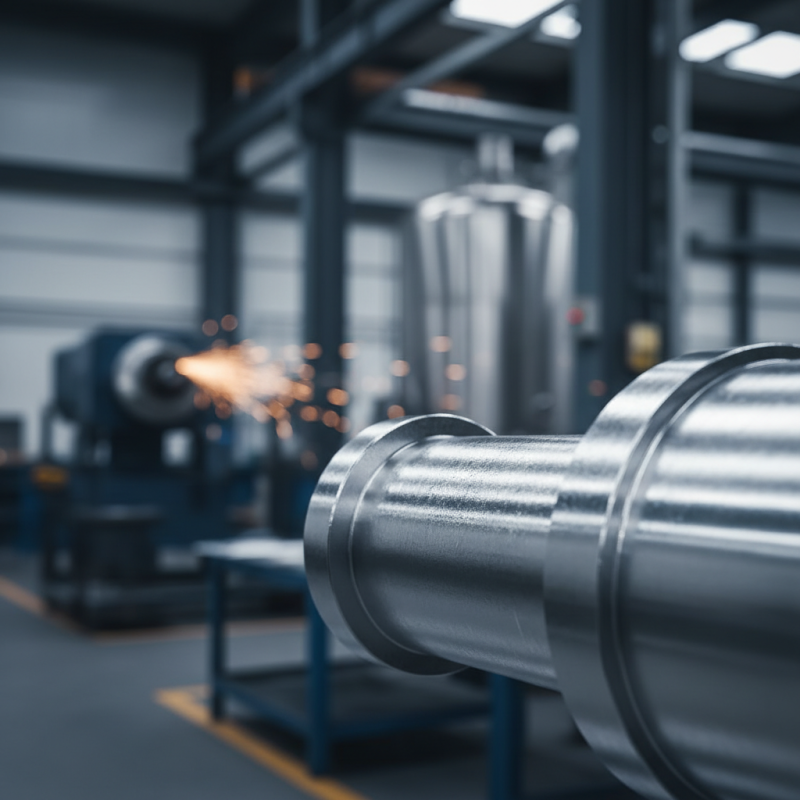
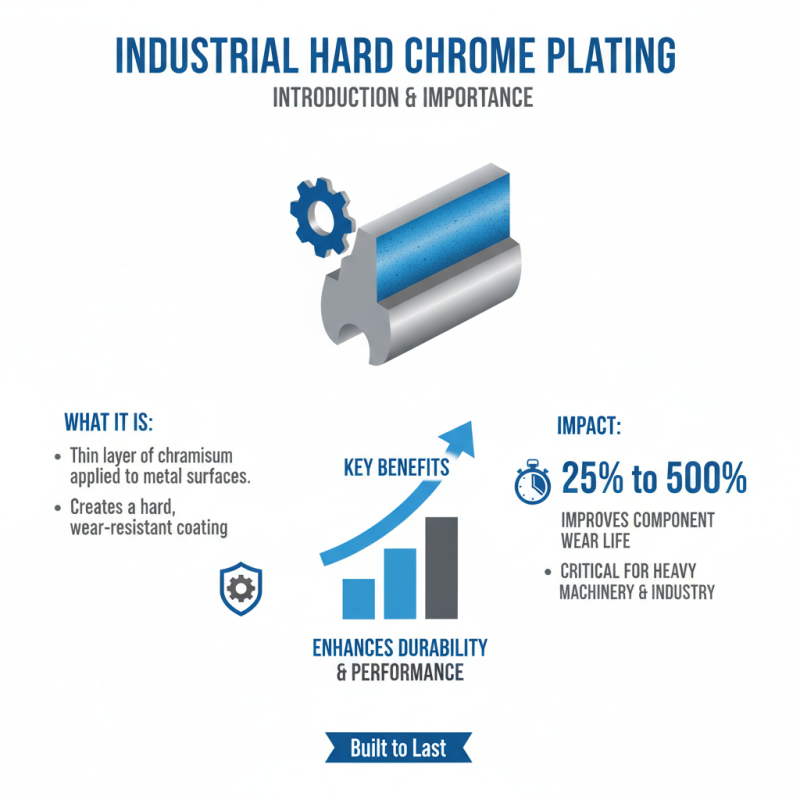
Introduction to Industrial Hard Chrome Plating and Its Importance
Industrial hard chrome plating is essential for enhancing the durability and performance of components. This process applies a thin layer of chromium to various surfaces, providing a hard, wear-resistant coating. Research shows that hard chrome plating can improve wear life by 25% to 500%. This is a significant advantage for industries relying on heavy machinery.
Specific industries benefit from this technology. For example, aerospace, automotive, and hydraulic equipment frequently utilize hard chrome plating. These industries report reduced maintenance costs and improved operational efficiency when using plated parts. By protecting surfaces from corrosion, this coating extends the lifespan of critical components.
**Tip:** Regularly assess your equipment to determine if hard chrome plating is suitable. It can significantly reduce operational downtime.
However, while hard chrome plating offers various benefits, it also demands rigorous quality control. Not every plating process yields the same results. Issues like adhesion failure or uneven coating can occur. Thus, partnering with experienced professionals is crucial. They guide you through the nuances of selecting the right plating thickness and composition that suits your needs.
**Tip:** Ensure your plating provider has a proven track record in quality assurance and complies with industry standards. This ensures optimal results.
Enhanced Durability and Wear Resistance in Industrial Applications
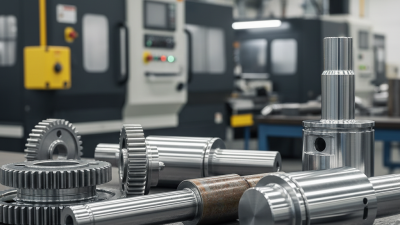
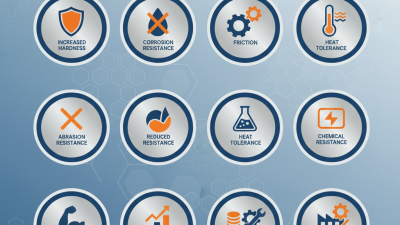
Industrial hard chrome plating significantly enhances the durability and wear resistance of various machinery and components. This process involves depositing a layer of chromium onto surfaces, creating a tough barrier against corrosion and friction. Equipment subjected to heavy usage, such as hydraulic cylinders and gears, often suffers from wear and tear. Hard chrome plating extends their lifespan, reducing the need for frequent replacements.
Moreover, the hard chrome layer improves the surface smoothness of parts. This smoothness minimizes friction, allowing machinery to operate more efficiently. In high-stress environments, such as manufacturing or mining, this efficiency can translate into substantial cost savings over time. However, it is crucial to maintain and inspect these components regularly. Improper maintenance can lead to unexpected failures, negating the benefits of hard chrome plating.
The technology is not flawless. There are instances where the plating may not adhere properly, leading to delamination. Awareness of these potential issues is vital for industries relying on this enhancement. Despite these challenges, many find hard chrome plating an effective solution for increasing equipment durability in demanding conditions.
Improved Corrosion Resistance and Longevity of Components
Industrial hard chrome plating offers significant advantages, particularly in enhancing corrosion resistance and extending the longevity of components. The process creates a robust coating that protects metal surfaces from aggressive environments. As industries face increasing challenges from chemical exposure and moisture, this protective barrier becomes essential.
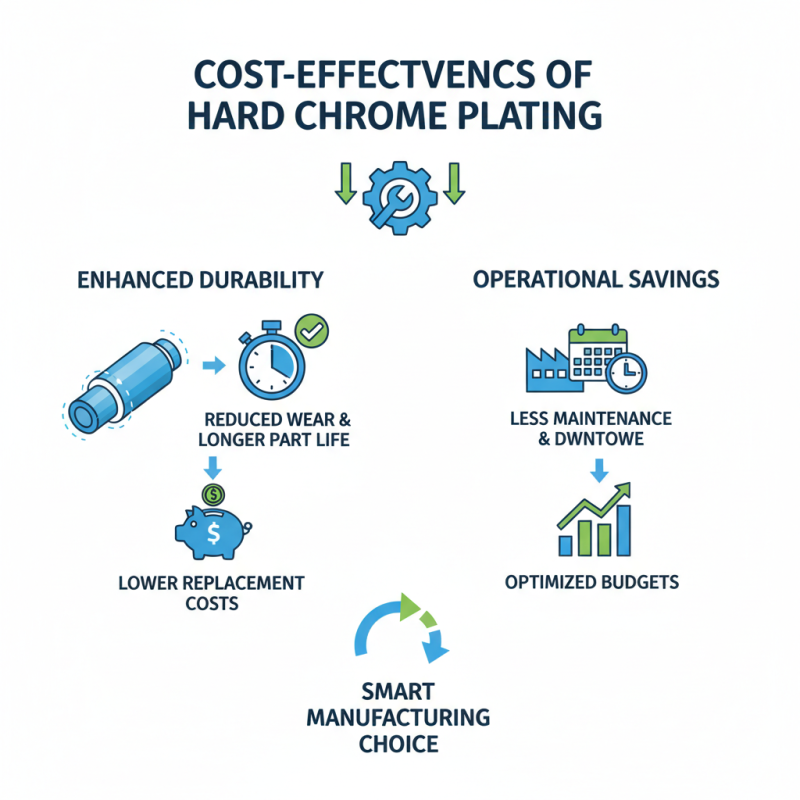
Enhanced corrosion resistance can be a game-changer. Components exposed to harsh conditions often suffer from rapid deterioration. Hard chrome plating can prevent this decay, improving the lifespan of crucial parts. This longevity translates into reduced replacement costs and minimal downtime. However, not all applications may require such extensive protection. Evaluating specific needs is essential to avoid over-engineering solutions.
Another aspect to consider is the effectiveness of hard chrome plating in everyday operations. While it significantly increases durability, the initial process can be resource-intensive. Manufacturers must weigh this against the long-term benefits. Striking a balance between immediate costs and future savings is crucial. This challenging reflection can help determine whether hard chrome plating aligns with operational goals and sustainability objectives.
Top 5 Benefits of Industrial Hard Chrome Plating for Your Needs
| Benefit |
Description |
Impact on Components |
| Improved Corrosion Resistance |
Protects components from oxidization and environmental damage. |
Increased lifespan of the products. |
| Enhanced Wear Resistance |
Reduces friction and wear on moving parts. |
Improved performance and durability. |
| Cost-Effectiveness |
Extends the life of components, reducing replacement costs. |
Lower total cost of ownership. |
| Aesthetic Improvement |
Provides a shiny, reflective surface. |
Enhanced visual appeal of equipment. |
| Surface Smoothness |
Offers a smoother finish compared to other coatings. |
Better functionality in high-precision applications. |
Applications and Industries Benefiting from Hard Chrome Plating
Hard chrome plating has become a vital process across various industries. Its applications range from automotive to aerospace. This technique enhances surface durability and improves wear resistance. In manufacturing, machinery parts face heavy use. With hard chrome plating, they can last longer and perform better. This reduces maintenance costs, a significant benefit for any operation.
In the aerospace sector, hard chrome plating protects components from extreme conditions. It creates a hard, smooth surface, essential for flight safety. Valve bodies, guide rails, and landing gear parts often utilize this technique. Meanwhile, the automotive industry benefits through enhanced performance in engine components. As these parts are exposed to high pressures and temperatures, hard chrome plating increases their lifespan.
While the advantages are notable, challenges arise. The process can be expensive. It's essential to weigh the costs against long-term benefits. Additionally, proper handling during the plating process is crucial. Improper techniques can lead to defects or poor adhesion. Careful selection of materials and processes will help achieve optimal results.